
Europe Secures Seat at Abu Dhabi Talks as Russia Upgrades Delegation
U.S.-brokered trilateral peace talks between Ukraine, Russia, and the U.S. are scheduled for November 10-11 in Abu Dhabi. France confirmed European participation, while Russia upgraded its delegation to include senior military and diplomatic officials. Ukraine expressed cautious optimism, but European leaders remain wary of U.S. proposals that risk sidelining the continent.
Key points
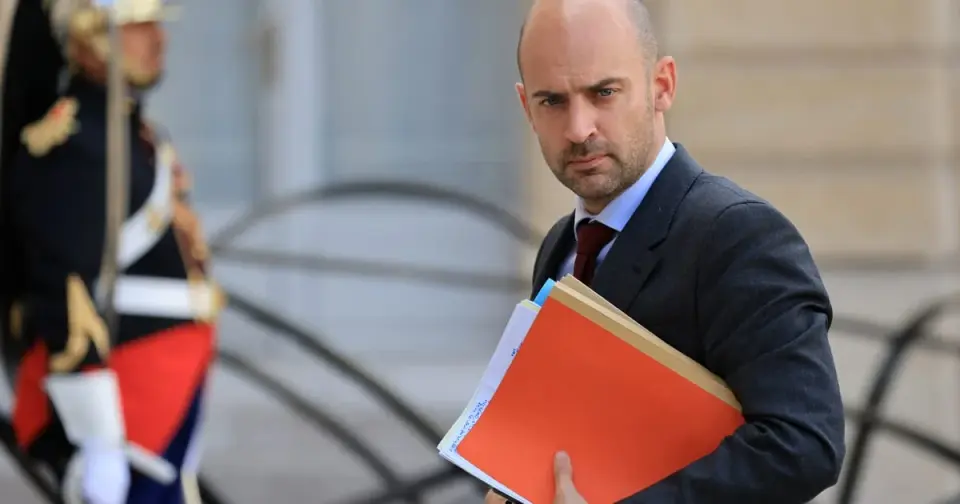
- French Foreign Minister Jean-Noël Barrot confirmed France and Europe will participate in the Abu Dhabi talks, though specific representatives were not named.
- Russia sent a high-level delegation led by presidential aide Vladimir Medinsky, including Deputy Foreign Ministers Sergei Ryabkov and Mikhail Galuzin, and military officials Igor Kostyukov and Yuri Zhigarlovsky.
- Ukraine’s Presidential Office head Kyrylo Budanov expressed 'restrained optimism' about progress, noting that all parties now wish to meet, unlike in February.
- U.S. envoys Steve Witkoff and Jared Kushner will represent Washington, with Witkoff citing progress in Kyiv, Oslo, and St. Petersburg.
- The talks follow strained U.S.-Ukraine relations over diesel deals and SpaceX Starshield satellite access restrictions, which were later resolved.
Background
Previous trilateral talks in February stalled amid regional conflicts. Recent U.S. proposals for a broad European security framework, including a 'big, beautiful agreement' mentioned by President Trump, have alarmed EU officials who fear exclusion from security decisions. Europe has pushed for direct participation, with Italian PM Giorgia Meloni urging European Council President António Costa to settle representation issues ahead of a November 13 summit. The Kremlin previously rejected European participation, but France’s confirmation suggests a shift in the diplomatic format.
How outlets are covering it
Politico emphasizes Europe’s secured role, with Barrot stating 'Europeans will be well represented,' while noting uncertainty over specific attendees. CBS News highlights Ukraine’s cautious optimism, with Budanov acknowledging resolved tensions over satellite access but stressing the need for postwar security guarantees. Politico and Kyiv Post both report Russia’s upgraded delegation, interpreting it as a sign of greater engagement, though neither confirms a shift in Moscow’s core demands. Kyiv Post notes concerns from European capitals and Ukrainian officials about the lack of specific mechanisms in the U.S. security framework, contrasting with Witkoff’s optimistic tone. All sources agree on the November 10-11 timeline and the significance of the first trilateral meeting since February.
Why it matters
The inclusion of Europe and Russia’s high-level delegation signals a potential shift toward substantive negotiations, but the risk of a U.S.-brokered deal excluding European security interests remains a critical concern. The talks could set the stage for broader European security frameworks, though skepticism persists over Moscow’s willingness to compromise. Ukraine’s focus on air defense and postwar reconstruction highlights the urgency of tangible outcomes amid ongoing Russian strikes on energy infrastructure.
What to watch
The November 10-11 talks in Abu Dhabi will determine whether the trilateral format can yield concrete progress. European leaders will likely push for explicit inclusion in security decisions, while Ukraine will press for air defense support. The outcome may influence the November 13 European leaders’ summit, where representation and security architecture will be key agenda items. Any breakthrough could reshape the diplomatic landscape, but skepticism over Moscow’s commitment and U.S. proposals remains high.
- Europe will be represented in Abu Dhabi talks on Ukraine, French foreign minister says POLITICO.eu
- Europeans will join Ukraine talks in Abu Dhabi, French foreign minister says Reuters
- Top Ukrainian official expresses "restrained optimism" about eventual Putin-Zelenskyy meeting ahead of trilateral talks CBS News
- Russia upgrades Abu Dhabi delegation as Zelenskyy warns Trump's plan is dangerous Politico
- Russia Sends High-Level Delegation to Abu Dhabi Talks Kyiv Post
Want the full story? Read the original reporting
Read on POLITICO.eu