
Germany Blames Russia for Leipzig Drone Plot, Closes Consulate
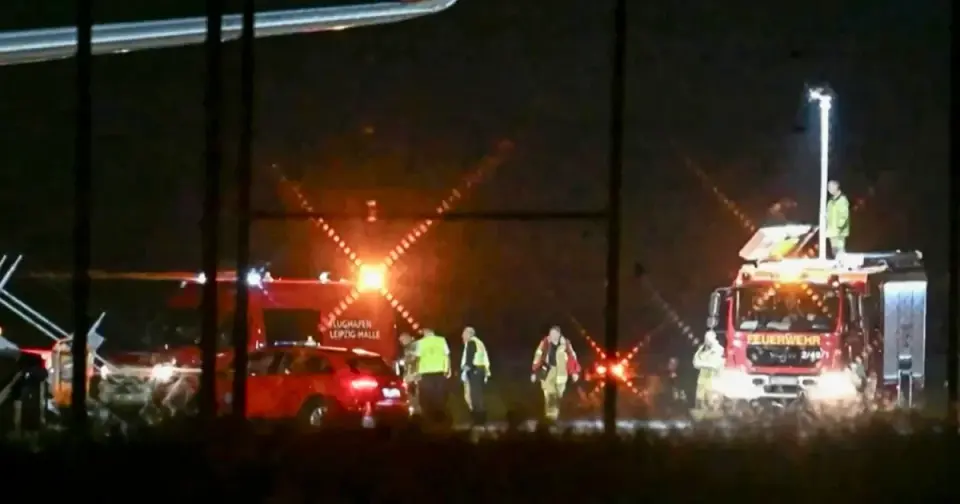
Germany officially attributed an August drone attack at Leipzig/Halle Airport to Russia, citing intelligence that agents acted on behalf of Russian state entities. Berlin announced the closure of the Russian consulate in Bonn and the termination of the Russian House cultural center in Berlin. The government raised its threat level to 'high' and pledged to pursue additional EU sanctions and restrictions on Russian nationals, framing the incident as part of a broader pattern of hybrid operations in Europe.
Key points
- Interior Minister Alexander Dobrindt stated that the drone, found near a Ukrainian cargo plane on August 4, contained military-grade explosives and failed to detonate.
- Foreign Minister Johann Wadephul ordered the closure of the Russian consulate in Bonn effective September 18 and the termination of the contract for the Russian House in Berlin.
- Germany raised its national threat assessment from 'general' to 'high' and tightened entry controls for Russian citizens.
- Berlin will propose additional EU sanctions, targeting Russian nationals and the 'shadow fleet' of oil tankers, while seeking to pressure Russia through diplomatic channels.
- The incident is viewed as part of a wider campaign of sabotage across Europe, with Poland also reporting recent arson attacks at drone manufacturing facilities.
Background
This development follows weeks of speculation and intelligence assessments linking the August incident to Russian services. Previous coverage noted that US intelligence linked the explosives to Russia's GRU, while German Chancellor Friedrich Merz had earlier vowed retaliation without explicitly naming Moscow. The airport is a critical hub for NATO logistics and Ukrainian cargo flights, making it a strategic target for hybrid warfare aimed at disrupting support for Ukraine.
How outlets are covering it
Al Jazeera and NBC News emphasize the official German attribution and the immediate diplomatic consequences, such as the consulate closure. The Guardian highlights the domestic political tension, noting criticism from Green party members and the far-right AfD for the government's delayed response. CNN provides additional technical details, noting that a second drone may have hit a cargo plane and that a third was found later, while also reporting on a separate sabotage attempt on a German power grid. Russian officials, via spokesperson Maria Zakharova, rejected the accusations as a 'pretext' for escalation, while President Vladimir Putin dismissed the resulting sanctions as a mistake.
Why it matters
This marks the first time Germany has concretely named Russia as responsible for a direct attack on its soil, signaling a significant escalation in German-Russian relations. The move aligns Berlin with a broader European stance against hybrid warfare, potentially leading to stricter sanctions and heightened security measures across NATO member states. It also tests the resolve of European nations to support Ukraine amidst increasing sabotage campaigns.
What to watch
EU foreign ministers are expected to meet in Ireland to coordinate a 'clear response' including additional sanctions. Germany will implement tighter border controls and pressure on the Russian shadow fleet. The German Federal Prosecutor's Office will continue its investigation, while political debates in Germany may intensify ahead of regional elections in Saxony-Anhalt and Mecklenburg Vorpommern.
- Germany accuses Russia of drone attack on Leipzig airport Al Jazeera
- Germany blames Russia for drone attack on Leipzig airport cnn.com
- Germany blames Russia for airport drone plot, shuts down consulate NBC News
- Germany blames Russia for drone attack at Leipzig airport The Guardian
- Von der Leyen vows response to Russian drone incident in Germany Euronews.com
Want the full story? Read the original reporting
Read on Al Jazeera