
Gulf Leaders Brace for Renewed Iran War as Trump Weighs Post-Midterm Strikes
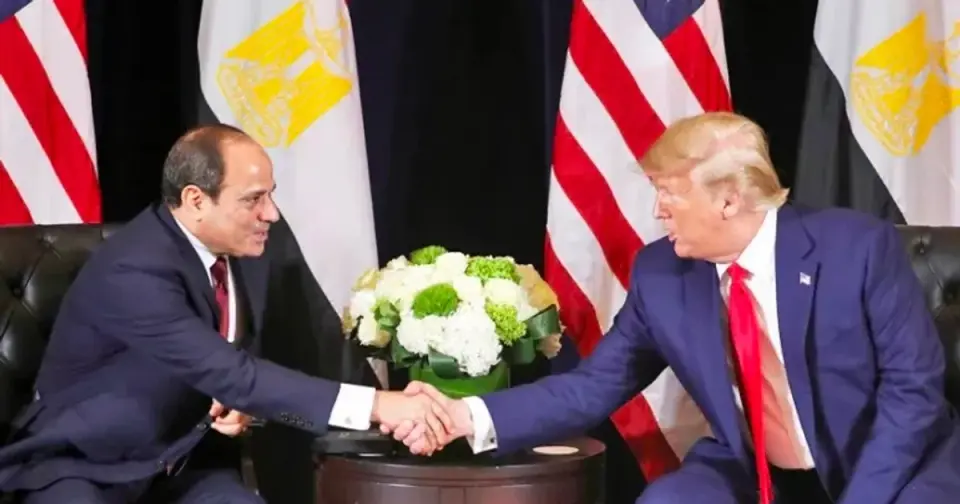
Egyptian President Abdel Fattah al-Sisi warned the US and Iran that failing to reach a political solution will cause catastrophic global consequences. While Sisi praised Trump as a 'man of peace,' Gulf nations are bracing for renewed conflict. The US is weighing strikes after the November 3 midterms, while Qatar-led diplomacy attempts to bridge a widening gap between Washington and Tehran.
Key points
- Egypt’s President al-Sisi urged the US and Iran to prioritize dialogue, warning that failure will lead to catastrophic regional and global effects.
- Gulf states fear a second round of war will be more destructive than the February 2026 conflict, which saw over 3,000 drone and missile attacks on the UAE.
- Qatar is leading mediation efforts, with Iranian negotiators in Doha discussing a proposal to reopen the Strait of Hormuz, though no direct US-Iran talks are occurring.
- The US administration is divided; Vice President JD Vance supports a deal, while CIA Director John Ratcliffe and others favor maintaining economic pressure without a new war.
- Trump told Israeli PM Benjamin Netanyahu he is 'in no rush' to resume fighting but has not ruled out strikes after the midterms.
Background
The current tension follows the February 2026 US-Israeli strikes on Iran, which triggered Iranian retaliation against Gulf infrastructure. A ceasefire was reached in April, but tensions remain high due to Houthi attacks on Saudi Arabia and ongoing disputes over the Strait of Hormuz. The region has spent billions bolstering defenses, yet coordination among Gulf Cooperation Council members remains weak.
How outlets are covering it
Outlets highlight divergent diplomatic stances. Business Insider Africa notes Egypt’s call for peace, while The New York Times emphasizes the fear among Gulf allies that a second war will be worse. AP News reports on UAE adviser Anwar Gargash’s warning that US and Iranian positions are too far apart for a quick resolution. Iran International notes internal US disagreements, with some officials favoring economic pressure over military action or a deal. Bahraini officials also criticized Iran’s continued attacks on data cables and infrastructure despite the ceasefire.
Why it matters
A renewed conflict could disrupt global energy supplies, particularly LNG exports from Qatar, which has already lost 17% of its pre-war capacity. The potential for escalation threatens the stability of the entire Middle East and could impact global markets and security dynamics.
What to watch
Diplomats will continue indirect talks through Qatar and Pakistan. The US will decide on military action after the November 3 midterms. Iran’s seven conditions for peace remain a major obstacle, and the region is preparing for the possibility of renewed strikes.
- Despite calling Trump a “man of peace,” Africa’s most powerful leader issues chilling warning to the U.S. and Iran over what may come next Business Insider Africa
- As Trump’s Midterm Deadline Looms, Gulf Countries Brace for Possible Renewal of Iran War The New York Times
- Trump's Iran threat renews Gulf fears of a war it didn't choose Reuters
- United Arab Emirates says military solutions offer no quick off-ramps to crisis with Iran AP News
- Arab states warn Iran of individual, collective retaliation over attacks - WSJ Iran International
Want the full story? Read the original reporting
Read on Business Insider Africa