
Gulf States Pivot to Self-Defense and Alternative Routes as Iran Conflict Persists
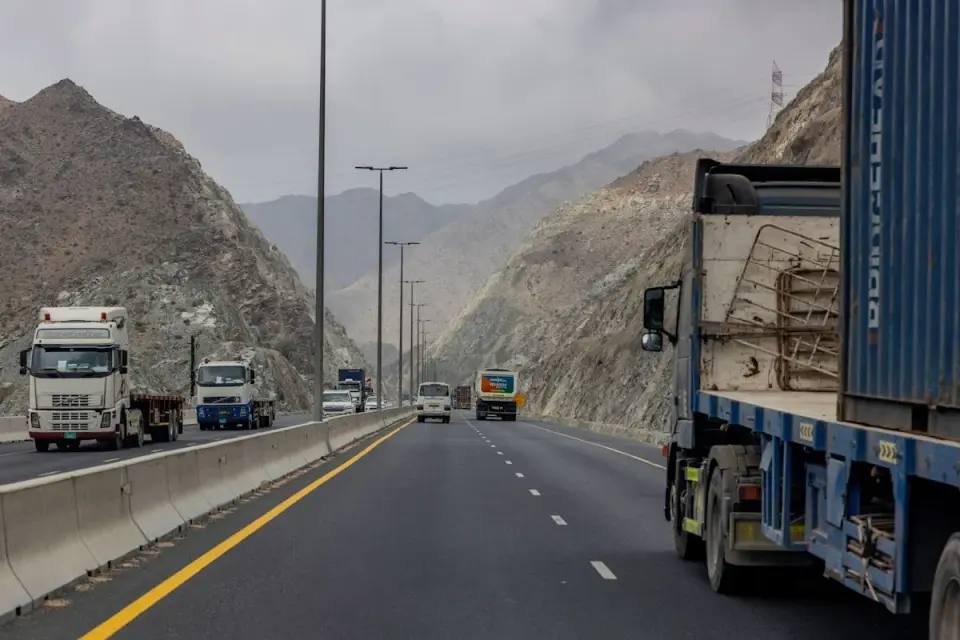
Persian Gulf nations are accelerating the construction of defensive infrastructure and alternative energy routes to bypass the Strait of Hormuz, as the ongoing U.S.-Iran conflict shows no signs of resolution. While Washington seeks to maintain leverage through managed instability, Gulf states are diversifying supply chains to reduce reliance on vulnerable sea lanes.
Key points
- Gulf officials report a shift from viewing the conflict as a temporary crisis to a long-term strategic challenge, prompting significant investment in local defense capabilities.
- Alternative routes are being developed to bypass the Strait of Hormuz, including expanded pipelines and port infrastructure in the UAE and Saudi Arabia.
- U.S. energy interests are benefiting from the disruption, as American LNG and oil replace Gulf exports in global markets, particularly in Europe.
- The conflict has altered the traditional U.S.-Gulf security bargain, with Washington now competing with Gulf producers rather than solely protecting their supply chains.
- Israel’s continued pressure on Iran aligns with U.S. energy goals by maintaining high risk premiums that favor American producers.
Background
Previous coverage noted that the Iran war accelerated a regional boom in pipeline and port infrastructure to bypass Hormuz, with projects costing at least $15 billion. Recent strikes on Kuwait and stalled nuclear negotiations highlighted the escalating tensions and the potential for a prolonged conflict, with U.S. officials warning that the situation could drag on for months.
How outlets are covering it
The Washington Post emphasizes the Gulf nations' proactive shift toward self-reliance and alternative logistics, framing the war as an indefinite challenge requiring a 'Plan B.' Al Jazeera focuses on the economic restructuring, arguing that U.S. energy dominance is growing as Gulf reliability declines, with American companies filling the void left by disrupted exports. CNN’s coverage, while largely obscured by technical data in the provided source, aligns with the broader narrative of global economic shifts caused by the conflict. The outlets differ in emphasis: The Post highlights security and logistics, while Al Jazeera critiques the commercial and geopolitical motivations behind the prolonged instability.
Why it matters
The persistence of the conflict forces a fundamental reorganization of global energy logistics and security alliances. Gulf states are no longer solely dependent on U.S. protection for their exports, leading to a more fragmented and competitive energy market. This shift could permanently alter trade routes and reduce the strategic leverage of traditional Gulf suppliers, while increasing the influence of U.S. energy firms in global markets.
What to watch
Gulf nations will likely continue investing in defensive infrastructure and alternative pipeline networks to mitigate risks from the Strait of Hormuz. U.S. energy companies may expand their market share as Gulf exports remain disrupted, while diplomatic efforts to resolve the conflict may stall due to conflicting interests between Washington, Israel, and Tehran.
- Gulf nations race to bypass Hormuz and build defenses as Iran war drags on Yahoo
- Gulf nations build defenses and aim to bypass Hormuz as Iran war drags on washingtonpost.com
- Three ways the Iran war changed the global economy cnn.com
- Gulf insecurity fuels US energy dominance Al Jazeera
- Iran War Forces a Rewrite of Global Oil Trade Routes Crude Oil Prices Today | OilPrice.com
Want the full story? Read the original reporting
Read on Yahoo