
Houthis Kill Six in Red Sea Strike; U.S. Disables Ship in Gulf of Oman
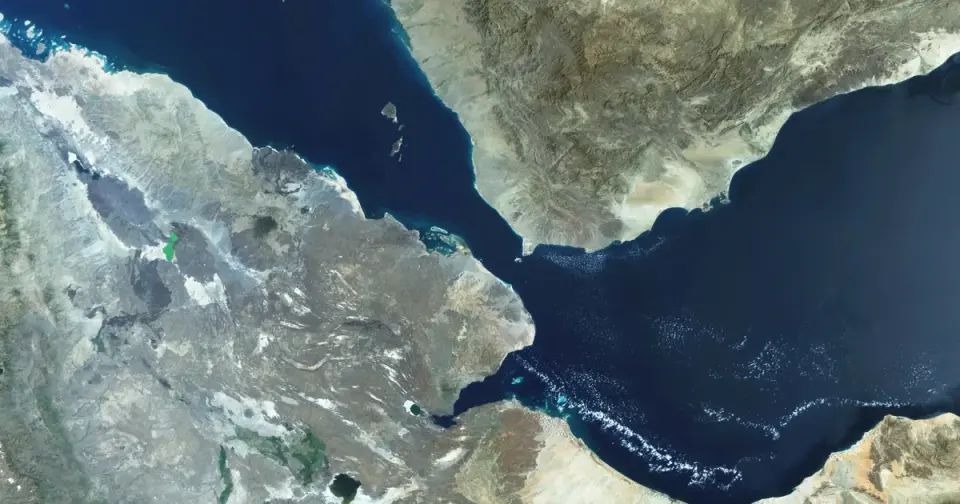
Iran-backed Houthis killed six people in a double-strike attack on the Egyptian-owned cargo ship Tihamah in the Bab el-Mandeb strait, marking the first fatalities in Houthi shipping attacks since the Iran war began in February. Simultaneously, U.S. forces fired missiles at the Panama-flagged container ship Vela Nova in the Gulf of Oman to enforce a blockade on Iranian ports. These incidents highlight escalating tensions in two critical global shipping lanes, with Red Sea traffic down 50% and Strait of Hormuz traffic near historic lows.
Key points
- Houthis fired ballistic missiles at the Tihamah, killing four crew members (three Pakistanis, one Indonesian) and two rescuers from the National Resistance Forces, with ten others injured.
- The U.S. Central Command confirmed firing two Hellfire missiles at the Vela Nova, disabling its steering gear after it ignored warnings to stop violating the naval blockade on Iranian ports.
- Shipping traffic through the Bab el-Mandeb strait has fallen to an average of 32 ships per day, down from 50 before the Houthi blockade began in July.
- Traffic through the Strait of Hormuz has dropped to just six ships per day, compared to pre-war levels of 130 to 140, contributing to a global energy supply shock.
- Diplomatic efforts to reopen the Strait of Hormuz remain stalled, with Iran demanding sanctions relief and U.S. President Trump demanding compensation, though Pakistani officials suggest a deal may be near.
Background
The current escalation follows the collapse of a 2022 UN-backed truce in Yemen, triggered by a Saudi airstrike on Sanaa airport in July 2026. The Houthis declared a maritime embargo against Saudi Arabia on July 20, 2026, in response to what they described as a Saudi siege, a claim Riyadh denies. Prior to this, Iran allegedly shipped IRGC commanders and missile gear to the Houthis in July 2026 to bolster their capabilities. The U.S. reimposed its naval blockade on Iranian ports on July 14, 2026, after an initial blockade in April.
How outlets are covering it
NBC News and Al Jazeera emphasize the human toll, confirming six deaths and ten injuries in the Tihamah attack, while noting the Houthi claim that the ship carried Saudi military equipment, which Saudi Arabia has not confirmed. CNBC highlights the economic impact, linking the attacks to rising oil prices and stalled U.S.-Iran diplomacy, noting that Brent crude rose 0.6% to $89.44 per barrel. All sources agree on the U.S. strike on the Vela Nova but differ on the broader diplomatic outlook, with CNBC citing Pakistani officials as optimistic about a deal, while NBC focuses on the immediate military escalation.
Why it matters
The attacks underscore the fragility of global shipping routes, with Red Sea and Strait of Hormuz traffic at historic lows. The human cost of Houthi strikes and the U.S. enforcement of its blockade signal a deepening regional conflict, with potential long-term impacts on global energy prices and supply chains. The stalled diplomacy suggests that a resolution to the Iran-U.S. tensions is unlikely in the near term, prolonging economic disruptions.
What to watch
Monitor for further Houthi attacks on Red Sea shipping and U.S. enforcement actions in the Gulf of Oman. Watch for developments in U.S.-Iran diplomacy, particularly regarding the Strait of Hormuz transit corridor and sanctions relief. Track oil price movements and shipping traffic data for signs of continued disruption or potential de-escalation.
- Four crewmembers, two rescuers killed in Red Sea attack; U.S. strikes ship in Gulf of Oman NBC News
- Politics The Economist
- Crew of Yemeni vessel recount their chaotic rescue after Houthis’ deadly attack The Hill
- Houthi attack kills six in Red Sea; Trump slams Iran as hopes for Hormuz Strait deal dim CNBC
- Six killed in Houthi attack on Bab al-Mandeb ship, Yemen’s government says Al Jazeera
Want the full story? Read the original reporting
Read on NBC News