
IISS Warns of Rising Russian Sabotage in Europe, Citing Mass-Casualty Risk
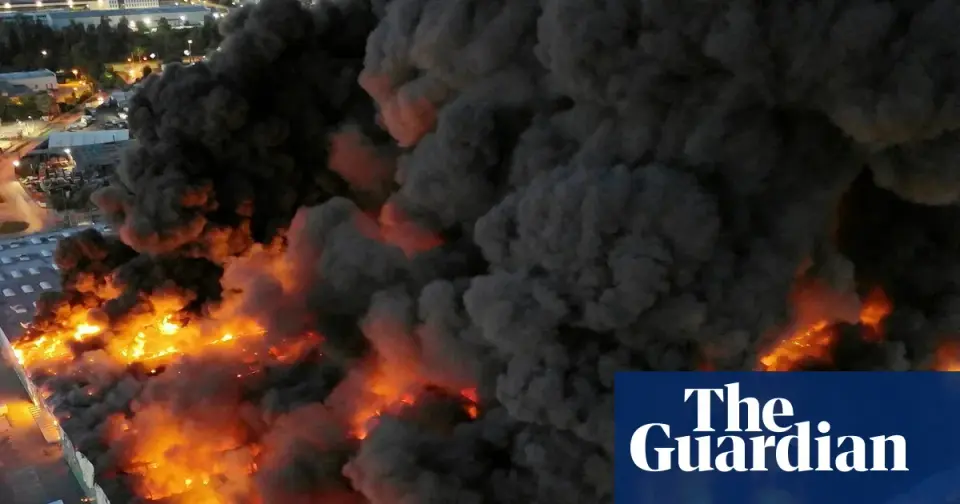
A new report by the International Institute for Strategic Studies (IISS) warns that Russian-directed sabotage in Europe has intensified, with a 16% rise in incidents and a doubling of arson and explosive attacks. The think tank highlights a growing risk of a 'mass-casualty event' as operatives use more complex methods, including timed improvised explosive devices. While Germany and Poland face the most attacks due to their role in supplying Ukraine, the IISS notes that these actions have not yet dented European support for Kyiv, though they pose significant escalation risks.
Key points
- The IISS report, released on November 26, 2026, states that Russian sabotage attacks in Europe rose by 16% over the past year, with arson and explosive device use doubling.
- Operatives are increasingly using sophisticated methods, including improvised explosive devices with timed and remote detonators, raising the risk of mass-casualty incidents.
- Germany and Poland are the most targeted countries, as their transport and industrial networks are critical for supplying Ukraine; over half of incidents in the past 12 months targeted critical infrastructure.
- The IISS found that European countermeasures, such as arrests and expelling intelligence officers, have not deterred Moscow, as sabotage remains a viable instrument of Kremlin policy.
- Despite the rising threats, the IISS concluded that Russia's hybrid war has failed in its strategic purpose, as European defense spending grew by 12.6% in 2025 and support for Ukraine remains strong.
Background
This report follows a series of incidents in 2026, including a September arson attack in Romania attributed to a Russian network and a surge in internal sabotage in Russia. Earlier coverage noted that European nations have been grappling with 'disposable' agent networks and increasing hybrid warfare tactics aimed at undermining defense capabilities and public confidence.
How outlets are covering it
The Guardian and CNN emphasize the immediate threat of a 'mass-casualty event' and the sophistication of Russian operatives, highlighting the risk of escalation and retaliation. Al Jazeera, however, frames the situation as a 'failing' hybrid war, noting that despite the damage to infrastructure, European support for Ukraine has not been deterred and defense spending has continued to rise. All sources agree on the 16% increase in sabotage and the doubling of arson/explosives, but differ in their assessment of the strategic outcome for Moscow.
Why it matters
The IISS report underscores the evolving nature of Russian hybrid warfare in Europe, moving beyond simple arson to complex, high-risk attacks on critical infrastructure. This poses a direct threat to European security and stability, potentially triggering a broader escalation if a mass-casualty event occurs. It also highlights the resilience of European support for Ukraine, despite Moscow's efforts to disrupt logistics and public confidence.
What to watch
European governments are expected to develop a unified strategy to counter Russian sabotage, as the IISS calls for a Europe-wide approach rather than isolated national responses. The report suggests that without clear red lines and coordinated responses, the risk of escalation and division among EU governments will increase. Moscow has rejected accusations of a Europe-wide sabotage campaign, and European nations may continue to face targeted attacks on infrastructure critical to Ukraine's war effort.
- ‘Mass-casualty event’ in Europe possible amid rise in Russian sabotage, says thinktank The Guardian
- Alleged Russia-directed sabotage in Europe risks mass-casualty event, think tank warns CNN
- Russia’s hybrid war on Europe evolving, but failing: IISS Al Jazeera
- Russian sabotage attacks in Europe up 16%, IISS says Reuters
- Russia’s sabotage attacks on Europe grow in number and complexity The Times
Want the full story? Read the original reporting
Read on The Guardian