
Iran Claims Seven Tankers Hit in Hormuz as US and Israel Escalate Military Posture
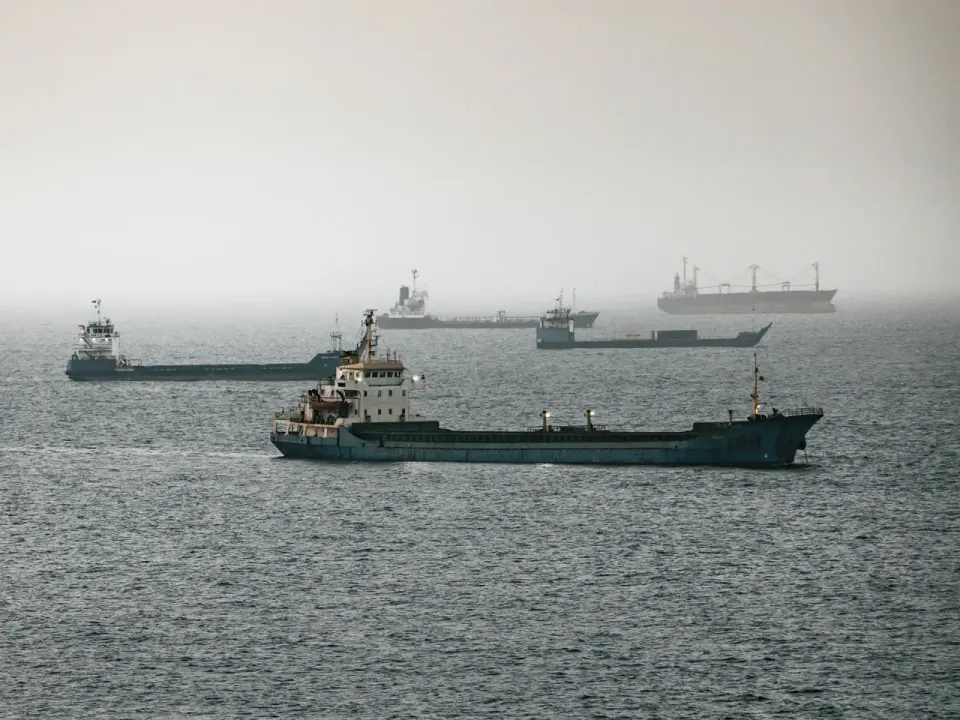
Iran’s IRGC claims seven oil tankers were damaged in the Strait of Hormuz, the highest single-day toll since the war began in February. While the US military disputes the mine claims and asserts the strait remains 95% open, Tehran warns it will strike US bases if Washington continues escorting vessels. Simultaneously, Israel conducted a large-scale air drill near the Iranian border, and Houthi attacks on Saudi infrastructure have prompted US evacuation orders for non-emergency staff.
Key points
- IRGC reports four tankers caught fire and three were disabled by mines, though the US Central Command denies the presence of mines in international lanes.
- Iran warns that continued US escorts will lead to attacks on American bases across the Middle East, a threat repeated in statements to Sepah News.
- Israel flew dozens of fighter jets and refueling aircraft through Syrian and Iraqi airspace to the Iranian border in a 'power projection' drill ahead of October 27 elections.
- The US ordered the departure of non-emergency government employees from Saudi Arabia following Houthi drone attacks on King Fahd Airport and the Shaybah oilfield.
- Trump accused Iran of fabricating attacks to spike oil prices before the US midterms, while Al Jazeera’s Tehran correspondent noted expectations of imminent US strikes before November.
Background
This escalation follows a six-month conflict that began with US and Israeli strikes on Iran on February 28. Recent months have seen a 40% drop in oil flows through Hormuz and rising global energy costs. In October, Iran executed protesters from the January 2026 uprising, while economic strain persisted due to a US blockade. Previous archive coverage noted that Iran’s top military commander warned any new conflict would engulf the region, coinciding with earlier threats against tankers in Kuwait and Bahrain.
How outlets are covering it
Al Jazeera highlights the political pressure on President Trump, noting that rising fuel costs are causing frustration among Republicans and that most Americans want relief from war spending. The outlet emphasizes Iran’s claim of full control over the strait. In contrast, the US military, via an anonymous spokesperson, dismissed Iran’s mine claims as incorrect, asserting that the strait remains open and that Iran is using missiles and drones out of 'desperation' under the blockade. Yahoo/AP focuses on the strategic implications for Israel, with analyst Danny Citrinowicz arguing that a Netanyahu victory in the October 27 election makes a renewed attack on Iran almost guaranteed. The Jerusalem Post provides granular details on the immediate military escalations, including the US strike on an anti-ship missile launcher in Sirik and the Israeli air drill, framing these as deliberate deterrents rather than accidental incidents.
Why it matters
The surge in attacks threatens to disrupt global energy supplies, potentially spiking oil prices further ahead of critical elections in the US and Israel. The widening conflict, including Houthi strikes on Saudi infrastructure and US evacuation orders, indicates a shift from localized naval skirmishes to broader regional instability. If the US and Iran fail to return to diplomacy, the risk of all-out war could endanger civilians and complicate global deliveries of oil, natural gas, and fertilizers.
What to watch
Analysts expect potential US strikes on Iran before the November midterms, as Tehran anticipates escalation. The UN has urged both sides to return to diplomacy to reopen the strait, while Iran maintains it is ready to defend itself. Saudi Arabia is increasing oil throughput via the East-West pipeline to bypass Hormuz, and mediators are attempting to revive formal talks, though Trump has previously rejected Iran’s latest proposal for a ceasefire.
- Iran says seven ships hit in Hormuz Strait, warns US of wider response Al Jazeera
- Iran says 7 oil tankers attacked in the Strait of Hormuz as fears grow of a return to war Yahoo
- Iran's IRGC Navy says seven vessels hit, warns US of wider response Reuters
- October Marks Highest Number of Strait of Hormuz Attacks USNI News
- Live Updates: Latest from Israel, Iran, and the Middle East The Jerusalem Post
Want the full story? Read the original reporting
Read on Al Jazeera