
Kaliningrad Air Alert Sparks NATO Surveillance and Lithuanian Denials
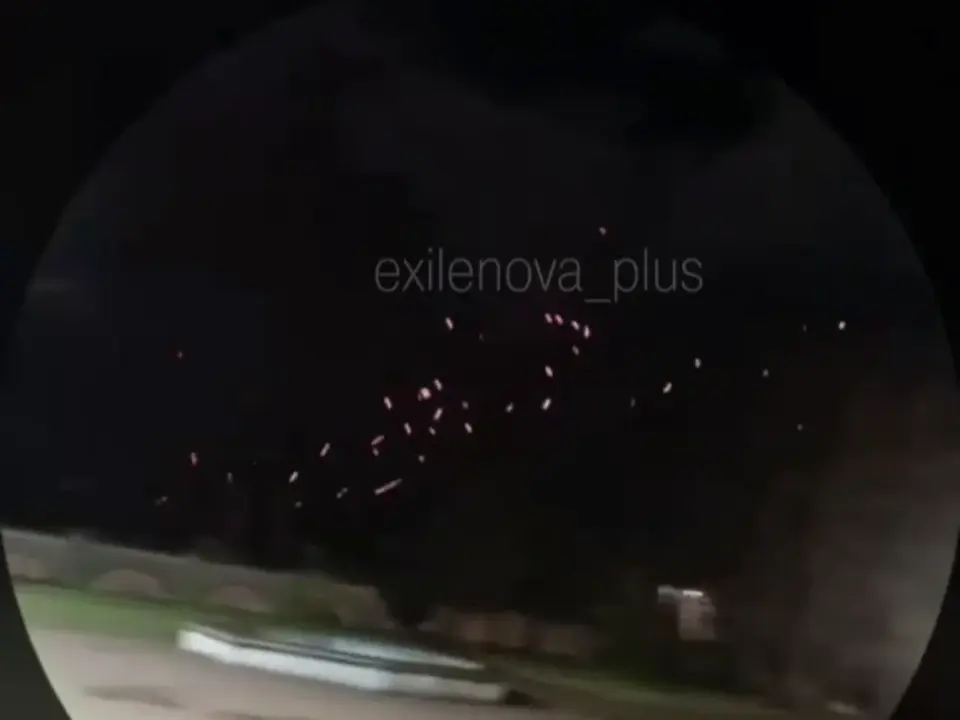
On November 21, 2026, air raid sirens sounded in Russia’s Kaliningrad exclave, specifically near the Baltic Fleet base in Baltiysk. While Russian officials initially blamed a 'suspicious object' from Lithuania, Vilnius categorically denied allowing its airspace for attacks. A NATO E-3A Sentry radar plane monitored the region for hours, and Lithuanian officials later dismissed viral photos of drone fires as images sourced from Iran.
Key points
- Kaliningrad Governor Aleksei Besprozvannykh claimed an alert in the Neman district was triggered by a suspicious object from Lithuania, though he later stated there was no threat.
- Lithuanian Foreign Minister Kęstutis Budrys and crisis chief Vilmantas Vitkauskas denied any involvement, stating Lithuania has never authorized airspace use for attacks on Russia.
- A NATO E-3A Sentry radar plane, tracked by Militarnyi, patrolled Polish airspace near Kaliningrad from 19:30 to 22:20, detecting low-flying targets up to 400 km away.
- Lithuanian officials dismissed viral photos of drone fires as inauthentic, claiming they were taken from Iran, while Russian Defense Ministry reports omitted Kaliningrad from its overnight drone count.
- The incident occurred alongside a confirmed drone strike on the Russian cargo ship Sparta II in the Gulf of Finland, heading toward Kaliningrad.
Background
This incident follows months of tensions where Moscow accused Baltic states of allowing Ukrainian drones through their airspace, a claim Vilnius rejected as disinformation in April. In October, Lithuania doubled patrols on its Kaliningrad border. A similar drone incursion into Lithuanian airspace occurred in October 2026, triggering a NATO alert. The current event marks a significant escalation in long-range strikes against Russian logistics hubs, including the Sparta II ship.
How outlets are covering it
Euromaidan Press and Militarnyi emphasized the NATO radar response and the Lithuanian denial of the viral fire photos, which they claimed originated from Iran. The Institute for the Study of War (ISW) noted that while air defenses activated in Baltiysk, the reason remains unclear, and no visual evidence of drone damage or interception exists. ISW also highlighted that Russian authorities did not explicitly accuse Ukraine of the attack. Ukrainian Pravda and Mezha.net focused primarily on the diplomatic denial by Lithuanian Foreign Minister Budrys, rejecting claims of Lithuanian involvement in the incident.
Why it matters
The incident tests the boundaries of NATO’s defensive posture in the Baltic region. By linking a domestic alert to a NATO member, Russia may be attempting to create a pretext for broader confrontation or to justify increased military presence. The lack of confirmed damage or official Russian accusation of Ukraine suggests a possible false alarm or a test of NATO’s reaction times, highlighting the ongoing ambiguity in the conflict’s geographic expansion.
What to watch
Analysts will monitor for further Russian accusations or military mobilization near the Kaliningrad border. Lithuania may continue to reinforce its air defenses and border patrols. The absence of Kaliningrad in Russian official drone counts suggests the incident may be downplayed, but the NATO radar presence indicates heightened vigilance in the region.
- Russia tied its Kaliningrad drone scare to Lithuania—Vilnius says the viral fire photos came from Iran Euromaidan Press
- Russian Offensive Campaign Assessment, November 22, 2026 Institute for the Study of War
- Drone Alert Sounds in Russian Exclave After Putin’s Veiled Nuclear Threat Newsweek
- Lithuania did not allow its airspace to be used for strikes on targets in Russia, Foreign Ministry says Українська правда
- Lithuania has never allowed its airspace to be used for attacks on Russia - Ministry of Foreign Affairs Mezha.net
Want the full story? Read the original reporting
Read on Euromaidan Press