
Malaysia’s Repatriation Push Collides with ASEAN Re-engagement as Min Aung Hlaing Visits
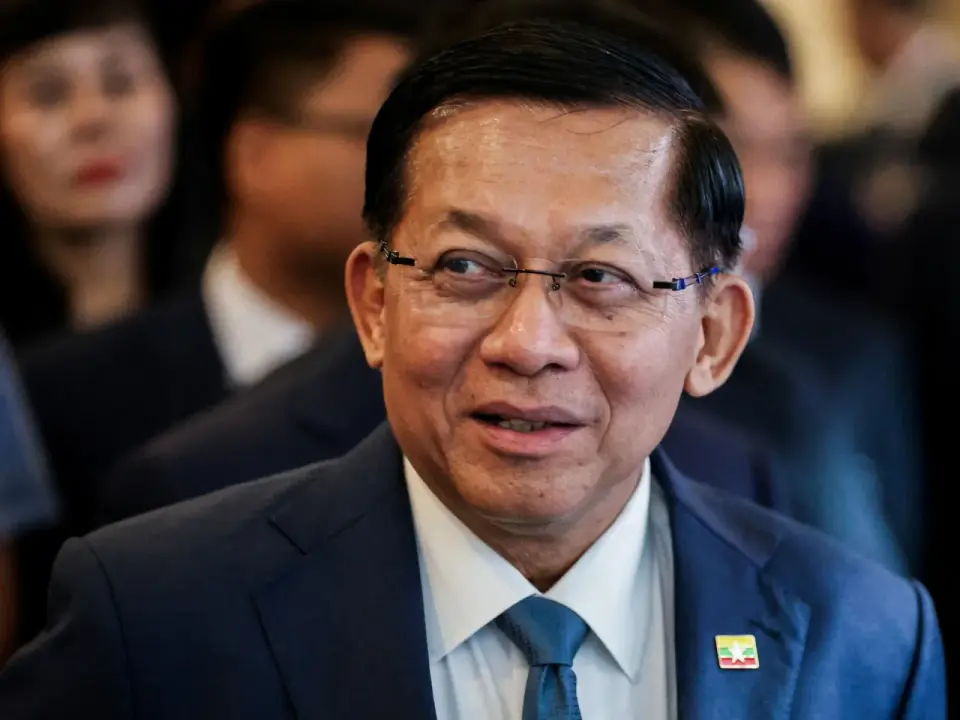
Myanmar President Min Aung Hlaing arrived in Kuala Lumpur on October 7 for his first official visit since the 2021 coup, meeting Prime Minister Anwar Ibrahim to discuss the repatriation of thousands of Myanmar nationals. While Malaysia frames the move as necessary for national security and fiscal stability, the UN and rights groups warn that returnees face severe risks, including persecution and forced conscription, amid Myanmar’s ongoing civil war. Critics argue the visit serves political interests for both leaders, with Anwar seeking to address domestic anti-migrant sentiment ahead of elections and Min Aung Hlaing pursuing regional legitimacy. Despite assurances of 'voluntary' returns, the safety of the process remains highly contested, with Malaysia having already deported approximately 10,000 nationals since January.
Key points
- Min Aung Hlaing arrived in Kuala Lumpur on October 7 for a two-day visit, his first since becoming president in April 2026.
- Malaysia has deported around 10,000 Myanmar nationals since January, with a planned first batch of 5,000 returns.
- UNHCR and rights groups warn that repatriation is unsafe due to civil war, persecution, and forced military conscription in Myanmar.
- Critics suggest the visit is politically motivated, with Anwar Ibrahim facing domestic pressure and Min Aung Hlaing seeking ASEAN recognition.
- Malaysia hosts approximately 190,000 to 215,600 refugees and asylum seekers, including 126,000 Rohingya, but is not a signatory to the UN Refugee Convention.
Background
This visit follows a series of diplomatic engagements by Min Aung Hlaing with ASEAN neighbors and major powers since April 2026. Earlier in 2026, Malaysia began repatriating refugees in phases, starting with 1,500 individuals in September, amid rising anti-migrant sentiment and online hate speech. The current civil war in Myanmar, which began with the 2021 coup, has displaced over 3.5 million people and killed an estimated 100,000, creating a volatile environment for any returnees. Malaysia’s previous stance during its 2025 ASEAN chairmanship was more critical of the junta, but recent shifts have signaled a move toward pragmatic engagement.
How outlets are covering it
Al Jazeera and AP News emphasize the diplomatic and humanitarian dimensions, highlighting the UN’s warnings about the safety of returnees and the scale of the repatriation effort. The Irrawaddy focuses on the political motivations behind the visit, arguing that Anwar Ibrahim is using the repatriation issue to address domestic political crises and anti-migrant sentiment, while Min Aung Hlaing seeks to normalize his regime within ASEAN. The Irrawaddy also notes discrepancies in the numbers, with Malaysia citing 10,000 deportations and Myanmar claiming 8,000 returns. All sources agree that the safety and voluntariness of the repatriation process are deeply contested, with rights groups questioning whether returnees can make 'genuinely free and informed' decisions to return to a war zone.
Why it matters
The visit signals a potential shift in regional policy toward Myanmar’s military regime, potentially undermining ASEAN’s previous stance of non-recognition. It also raises serious human rights concerns, as the repatriation of thousands of refugees to a conflict zone could expose them to persecution and violence. The outcome of these talks may influence future ASEAN decisions on engaging with the Myanmar regime and set a precedent for how Southeast Asian nations handle refugee crises and statelessness.
What to watch
The two-day visit will conclude with a joint statement on the repatriation process. Malaysia plans to continue deporting refugees, with the first batch of 5,000 expected to return soon. ASEAN leaders will likely debate whether to accept the Myanmar regime’s leadership at future summits, influenced by the outcome of these bilateral talks. Rights groups and the UNHCR will continue to monitor the safety of returnees and advocate for alternative solutions, such as resettlement or third-country relocation.
- Myanmar’s Min Aung Hlaing visits Malaysia amid concerns over repatriations Al Jazeera
- Malaysia to work towards Myanmar's full reintegration into ASEAN, PM says Reuters
- Guess Where’s Next on an Autocrat’s Global Tour? The New York Times
- Myanmar military leader arrives in Malaysia as repatriations draw criticism AP News
- Critics See Political Motives Behind Anwar-Min Aung Hlaing Talks The Irrawaddy
Want the full story? Read the original reporting
Read on Al Jazeera