
Mecca Activates First-Ever Emergency Alerts as Houthi Strikes Escalate
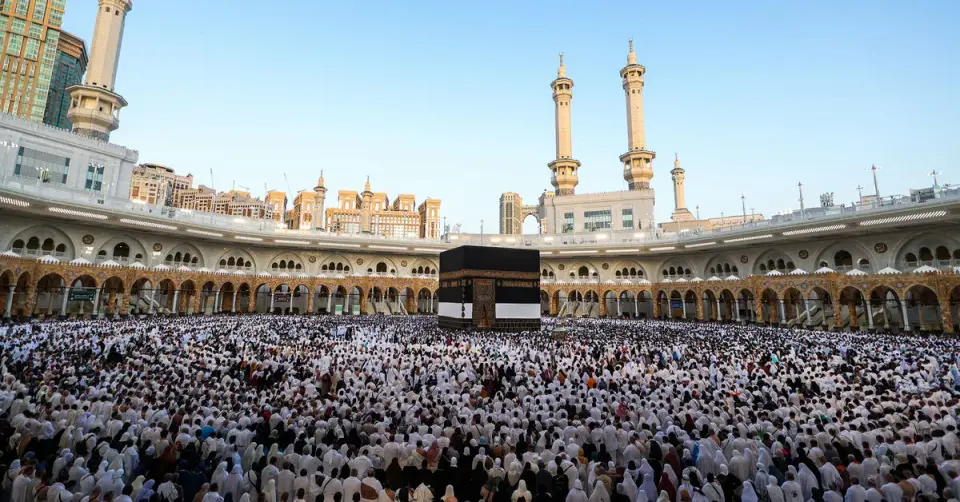
Saudi Arabia issued its first-ever emergency alert in Mecca on September 15, 2026, warning of potential danger following intensified Houthi drone and missile attacks. The alert, issued by the National Early Warning Platform, urged residents to seek shelter, though the threat was later declared passed. This escalation follows a series of Houthi strikes on southern Saudi cities that injured dozens and disrupted energy facilities. While Saudi Arabia vows a firm military response, the situation has triggered a global oil price spike and prompted warnings from Qatar about potential catastrophic consequences if the Bab al-Mandab Strait is fully controlled by Houthi forces.
Key points
- Saudi Civil Defense activated emergency alerts in Mecca, Jeddah, and Taif on September 15, 2026, marking the first such warning in the holy city since the recent Houthi escalation.
- The alerts, issued by the National Early Warning Platform, warned of 'potential danger' and advised residents to avoid crowded areas, though the threat was subsequently declared passed.
- Houthi attacks on Monday injured at least 13 civilians in Khamis Mushayt, Abha, and Taif, following a previous barrage that injured 73 people and halted operations at some energy facilities.
- Brent crude oil prices rose nearly 3% to $108 per barrel after loadings at Saudi Arabia's Red Sea port of Yanbu were suspended due to Houthi attacks on the East-West pipeline.
- Qatar warned that a full Houthi control of the Bab al-Mandab Strait would be 'catastrophic for the entire world,' given the strait's vital role in global oil exports.
Background
This escalation follows the formalization of the Mecca Joint Defence Agreement in August 2026, which pledged joint defense among Saudi Arabia, Turkey, and Pakistan. Recent tensions have tested this pact, with Pakistan clarifying in early September that the agreement does not automatically trigger military action. The current Houthi offensive has also stalled potential Saudi-Israeli security cooperation, as Riyadh seeks broader regional partnerships amid uncertain US involvement.
How outlets are covering it
Al-Monitor and Daily Sabah focus on the immediate domestic impact in Saudi Arabia, highlighting the unprecedented nature of the Mecca alert and the Saudi government's vow to respond 'firmly' to protect sovereignty. The Guardian provides a broader geopolitical lens, emphasizing the global economic repercussions, such as the spike in oil prices and the strategic importance of the Bab al-Mandab Strait. The Guardian also notes the diplomatic efforts by Qatar and Oman to mediate, contrasting with the Saudi-led military coalition's stance. While Al-Monitor cites specific casualty numbers from Saudi military spokespersons, The Guardian highlights the UN's warning of a humanitarian crisis in Yemen and the displacement of 100,000 people, offering a different perspective on the conflict's human cost.
Why it matters
The activation of emergency alerts in Mecca signals a significant escalation in the Houthi-Saudi conflict, moving beyond border skirmishes to direct threats against the kingdom's most symbolic and populated areas. This has immediate implications for global energy markets, as disruptions to Saudi oil exports via the Red Sea route drive up prices. Furthermore, the crisis tests the resolve of the Mecca Defence Pact and the willingness of Western powers to provide direct military support, potentially reshaping the strategic balance in the Middle East and Red Sea region.
What to watch
Saudi Arabia is expected to implement 'all necessary operational measures' to deter further Houthi escalation, potentially involving airstrikes in Yemen. Diplomatic efforts by Qatar and Oman to revive talks between Iran and Gulf Cooperation Council countries may resume, though Saudi Arabia has delayed these meetings in protest of the attacks. The situation could lead to further disruptions in global oil supply chains if the Bab al-Mandab Strait becomes fully controlled by Houthi forces, potentially triggering a broader regional conflict involving Iran and the US.
- In first, Saudi Arabia activates Mecca warning system amid Houthi threat Al-Monitor
- Saudi Arabia reports wide-ranging security alerts after week of strikes Reuters
- Houthis threaten more Saudi strikes as UN warns of humanitarian crisis in Yemen The Guardian
- Saudi Arabia promises to respond to Houthi attacks ‘firmly’ Al Jazeera
- Saudi Arabia raises Jeddah, Mecca alarm, vows response to Houthis Daily Sabah
Want the full story? Read the original reporting
Read on Al-Monitor