
Merz Rejects 'Yalta 2.0' After Shenzhen Summit Ignores Ukraine
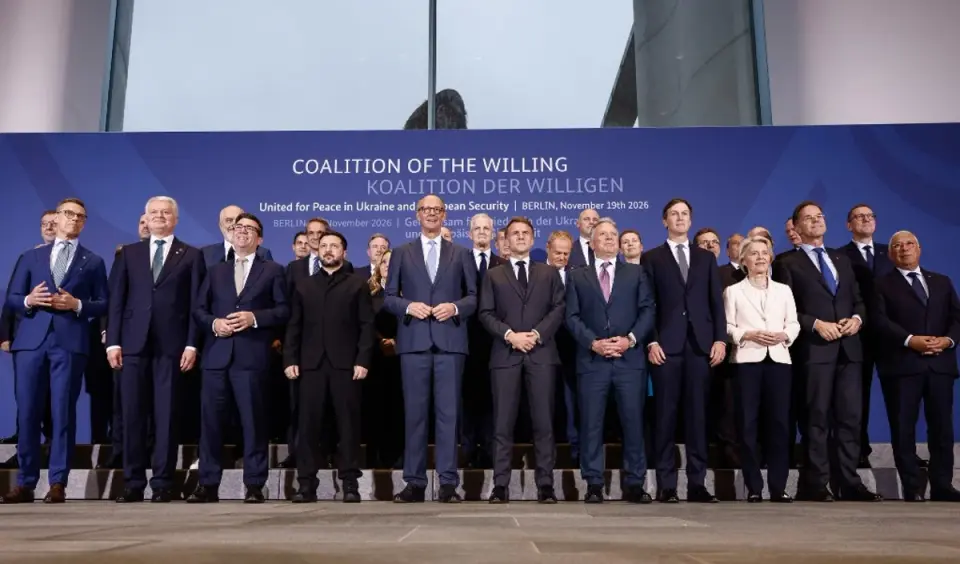
German Chancellor Friedrich Merz rejected a new 'Yalta-style' division of Europe following the US-Russia-China summit in Shenzhen. The three leaders issued a joint declaration that omitted any mention of Russia’s war against Ukraine or Ukrainian sovereignty. Merz, speaking at the Coalition of the Willing summit in Berlin, warned that such great-power deals cannot impose peace. He emphasized that European nations must participate in future negotiations, potentially in the UAE, to ensure a durable settlement.
Key points
- Chancellor Merz declared that a 'Yalta format' will not bring peace, referencing the 1945 conference that divided Europe into spheres of influence.
- The Shenzhen summit produced a four-point declaration focusing on UN reform, oil, the ICC, and nuclear risks, but contained no commitments to ending the war in Ukraine.
- Merz presented pieces of the Berlin Wall to summit participants, symbolizing the oppression and insecurity associated with divided Europe.
- US envoys Jared Kushner and Steve Witkoff assured European leaders that Washington intends to involve Europe in peace talks and is not seeking a unilateral deal.
- Former US Ambassador Daniel Fried argued that the summit was a 'photo op' for Putin to gain great-power prestige, noting that current constraints prevent a true Yalta-style division.
Background
This development follows earlier European warnings that the proposed tripartite summit could mirror the 1938 Munich Agreement or 1945 Yalta Conference, sidelining Ukraine and Europe. Previous coverage highlighted a 25 billion-euro funding gap in EU support for Ukraine and Moscow’s reluctance to engage in multilateral talks. The current rejection of a 'Yalta 2.0' format reinforces the European stance that any peace settlement must include direct participation from Kyiv and European allies.
Why it matters
The omission of Ukraine from the Shenzhen declaration signals a potential shift toward great-power diplomacy that excludes affected nations. Merz’s rejection and the emphasis on European participation aim to prevent a settlement that could undermine NATO and European security. The divergence between the US-Russia-China declaration and the Berlin summit highlights the ongoing struggle over who controls the narrative and terms of the post-war order.
What to watch
Merz indicated that new peace talks could occur soon, potentially in a neutral venue like the United Arab Emirates, with European representatives joining Ukraine, Russia, and the US. The outcome of these negotiations will determine whether Europe can secure a seat at the table or if great-power interests dominate the peace process.
Want the full story? Read the original reporting
Read on Kyiv Post