
NATO Allies Brace for Trump’s Post-Midterm Retaliation Against Alliance
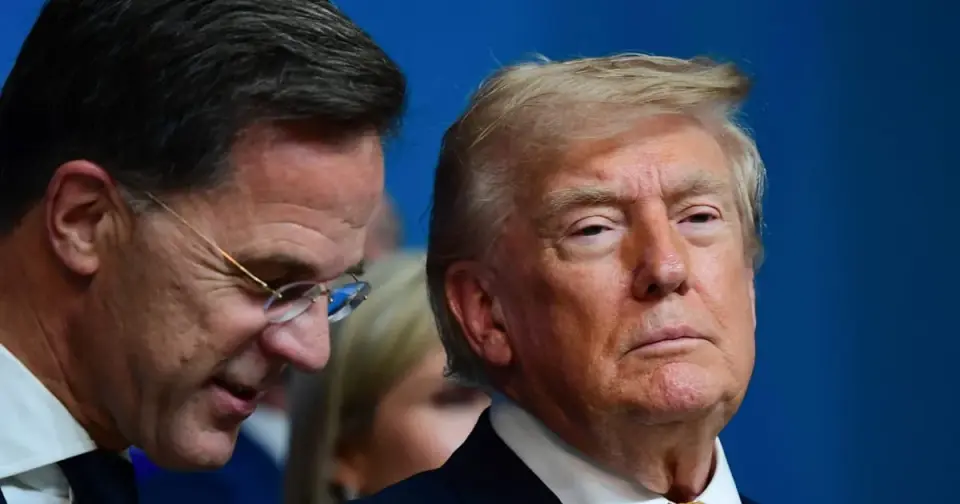
European NATO diplomats fear President Donald Trump will retaliate against the alliance if Republicans lose the November 3 midterms. Concerns include a massive troop withdrawal from Europe, cuts to NATO funding, and a deeper pivot toward Russia. While the White House claims to have strengthened NATO, analysts warn that a lame-duck president may use foreign policy to cement his legacy if domestic legislative power is curtailed.
Key points
- Five anonymous NATO diplomats warn that a Republican loss in the midterms could trigger a 'worst-case scenario' where Trump attacks the alliance to distract from domestic failures.
- Specific fears include pulling thousands of troops from Europe, cutting common NATO funding, and limiting the PURL arms-buying scheme for Ukraine.
- The White House, via Olivia Wales, argues Trump has secured 5% GDP defense spending commitments and bolstered US presence in Greenland, though he remains critical of allies' support during the Iran war.
- A December review of US forces in Europe is expected; analysts suggest Trump could tie continued presence to accepting a US-backed peace deal in Ukraine.
- Defense Secretary Pete Hegseth faces potential congressional probes if Democrats gain control, which could delay troop decisions or force his removal.
- Legal experts note that while US law sets a 76,000-troop floor in Europe, Trump has historically ignored court rulings and congressional funding guidance.
Background
This anxiety follows a period of strained transatlantic relations, including a US cutoff of Starlink services for Ukraine and a renewed rapprochement between Trump and Vladimir Putin. Earlier coverage noted internal GOP fears that a midterm defeat would strip Trump of legislative leverage, potentially pushing him toward more aggressive executive actions in foreign policy. Additionally, the US has been reshaping its global posture, with some analysts noting a shift in focus toward Latin America and East Asia, leaving Europe feeling less central to Washington’s strategic priorities.
How outlets are covering it
POLITICO presents a nuanced view, citing anonymous diplomats who fear 'adventurism' from a constrained Trump, while noting that a Democratic Congress might eventually restrain him. In contrast, Daily Kos offers a highly critical, opinionated perspective, labeling the administration's actions 'batsh*t crazy' and arguing that the US has become an unreliable partner that 'rules' rather than leads, urging voters to correct this through the midterms. Monitor provides a strategic analysis, suggesting that the US is deliberately marginalizing Europe in favor of Latin America and China, using a 'Bergen Group' of compliant allies to manage the alliance while ignoring others like France and the UK. While POLITICO focuses on the immediate risk of a post-election power grab, Monitor argues that Europe's declining geopolitical significance is a structural trend, not just a reaction to one election.
Why it matters
The outcome of the US midterms could fundamentally alter the security architecture of Europe. If Trump pursues a unilateral withdrawal or funding cuts, Europe faces a critical gap in air defense, electronic warfare, and logistics capabilities that cannot be easily replaced. This scenario would exacerbate existing tensions as Russia intensifies its hybrid warfare campaign, potentially leaving NATO members vulnerable without a clear US commitment.
What to watch
The key date is December, when the US is expected to review its force posture in Europe. Watch for any announcements regarding the PURL arms scheme or changes to the 76,000-troop minimum. Additionally, monitor the political fate of Defense Secretary Pete Hegseth, as a Democratic-controlled Congress may launch investigations into his firing of military leaders and budget management, potentially triggering a leadership transition at the Pentagon that could delay or alter defense decisions.
- Allies fear Trump will target NATO in case of midterm loss POLITICO.eu
- BATSH*T CRAZY Daily Kos
- TRUMP’S AMERICA AND GLOBAL SUBJECTS: Europe Cannot Afford to Become Less Important monitor.co.me
- Raymond J. de Souza: Is Trump’s desertion of Ukraine betrayal, stupidity or avarice? National Post
- In the Transatlantic Relationship, Strategic Necessity Trumps Values Internationale Politik Quarterly
Want the full story? Read the original reporting
Read on POLITICO.eu