
Nordic Rift: Denmark and Sweden Criticize Finland and Norway's Direct Talks with Putin
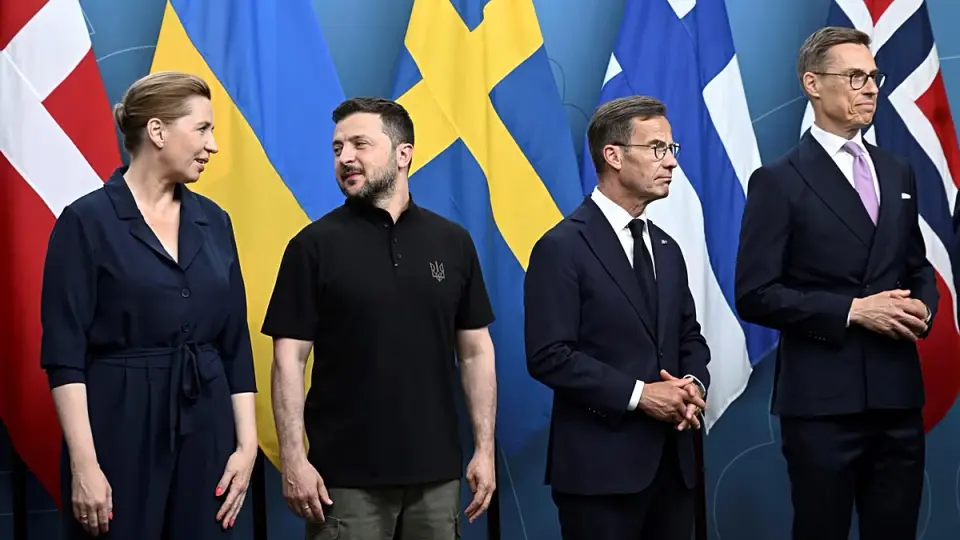
Finnish President Alexander Stubb and Norwegian Prime Minister Jonas Gahr Støre held a 90-minute phone call with Russian President Vladimir Putin to discuss ending the war in Ukraine, sparking a rare split among Nordic leaders. While Stubb and Støre described the conversation as 'frank and substantive' and aimed at de-escalation, Danish and Swedish leaders criticized the move as uncoordinated and ineffective. Ukrainian President Volodymyr Zelenskyy welcomed the initiative, confirming it was coordinated with Kyiv, while the Kremlin maintained that peace requires full recognition of Russian interests. The disagreement highlights growing tensions within Europe over how to engage with Moscow amid stalled peace negotiations.
Key points
- Stubb and Støre initiated the call to discuss diplomatic efforts to end the war, stating they acted only for their respective countries, not Europe as a whole.
- Danish Prime Minister Mette Frederiksen expressed strong skepticism, arguing that Russia’s ongoing hybrid warfare and aggression prove it does not desire peace.
- Swedish Prime Minister Ulf Kristersson voiced low expectations for direct talks, warning that such initiatives risk splitting the European voice and must not lead to appeasement.
- Ukrainian Foreign Minister Andrii Sybiha confirmed the call was coordinated with Kyiv, calling it a 'right approach' to support peace efforts and seeking 'new momentum' in negotiations.
- The Kremlin stated that Putin blamed EU and NATO policies for prolonging the war and insisted that any peace must fully recognize Russian interests.
- Zelenskyy thanked Stubb and Støre for their 'active support' and emphasized the need for real de-escalatory steps, including a potential direct meeting with Putin.
Background
This development follows a series of recent Nordic defense and diplomatic actions, including the first joint Finnish-Swedish air interception of Russian jets in September 2026, which highlighted rising tensions in the region. The current split contrasts with the traditionally unified Nordic stance on supporting Ukraine and imposing sanctions on Russia. Additionally, the call occurs amid broader European debates over direct engagement with Moscow, following earlier attempts by French and German leaders, and amidst ongoing US-led peace talks scheduled for November in the UAE.
How outlets are covering it
Euronews emphasizes the sharp political backlash from Denmark and Sweden, framing the event as a rare Nordic split that challenges the usual unity among these nations on Russian aggression. BBC focuses on the procedural aspects, noting that Støre claimed allies were informed in advance, while highlighting Putin’s maximalist demands and the subsequent coordination with Zelenskyy. The Guardian provides a broader European context, including reactions from Poland, Germany, and Estonia, and underscores Ukraine’s view that the call was a supplementary track to US-led talks rather than an alternative. While Euronews and BBC highlight the criticism from Denmark and Sweden, The Guardian adds the perspective of other European leaders like German Chancellor Friedrich Merz, who insisted that any solution must include Ukraine and Europe, and Estonian officials who argued for increased pressure on Russia rather than dialogue.
Why it matters
The disagreement among Nordic leaders signals a potential fracture in European unity regarding how to handle Russia, which could complicate coordinated sanctions and support for Ukraine. It also reflects the broader challenge of balancing direct engagement with Moscow against the risk of undermining collective European positions. The outcome of these talks may influence the upcoming trilateral negotiations in the UAE and the overall trajectory of the war, particularly as Europe seeks to define its role in peace efforts alongside the US and Ukraine.
What to watch
Stubb and Støre have agreed to maintain direct phone communication with Putin, and the Kremlin has confirmed this arrangement. Ukraine is preparing for trilateral talks in the UAE in November, with Zelenskyy expressing readiness for a direct meeting with Putin. European leaders, including those in Germany and Poland, are expected to continue advocating for a unified European approach that includes Ukraine and maintains pressure on Russia. The success or failure of these diplomatic efforts will likely depend on whether Russia shows genuine willingness to negotiate on Ukraine’s terms or continues to pursue maximalist demands.
- Putin call pits Finland and Norway against Denmark and Sweden Euronews.com
- Russian Offensive Campaign Assessment, October 27, 2026 Institute for the Study of War
- Two Nordic leaders urge Putin to end Ukraine war in rare direct contact by Europeans Reuters
- Norway and Finland hold rare call with Putin to discuss ending war BBC
- Kyiv hopes for ‘new momentum’ in peace talks after Finnish and Norwegian leaders’ call with Putin – as it happened The Guardian
Want the full story? Read the original reporting
Read on Euronews.com