
North Korea Sets October Deadline for Loudspeaker Resumption Amid UN Mine Dispute
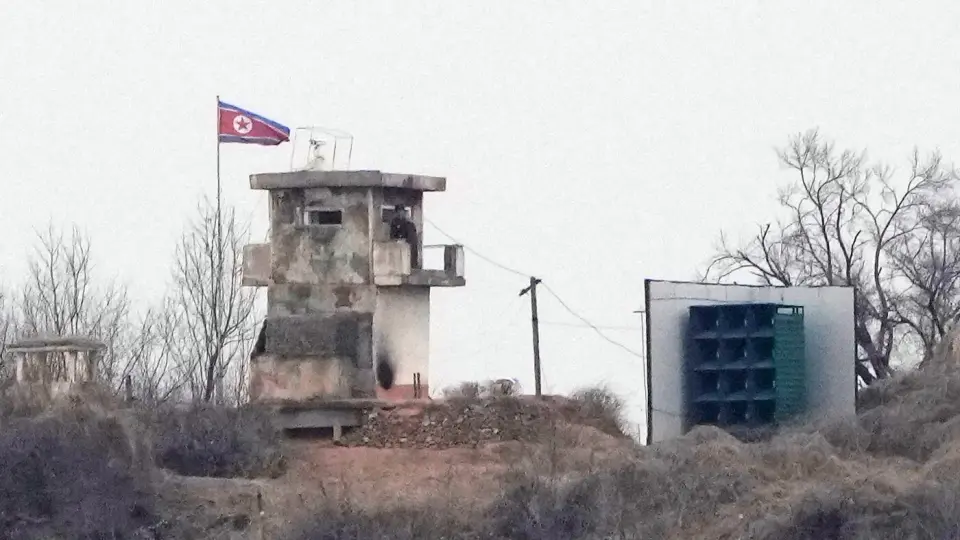
North Korea has announced it will resume anti-South Korean propaganda broadcasts along the entire border within October, following a series of escalatory statements by Kim Yo Jong. This move coincides with South Korea formally notifying the UN Security Council that September 21 mine blasts, which injured three soldiers, violated the 1953 Armistice Agreement. While Pyongyang denies responsibility for the mines and frames South Korean warning shots as provocations, Seoul is considering additional sanctions and diplomatic pressure to counter the rising tensions.
Key points
- Kim Yo Jong stated that loudspeakers for psychological warfare will be operational along the 160-mile border within days, describing the move as a 'clear warning' rather than a threat.
- South Korea’s Foreign Ministry confirmed that Ambassador Cha Ji-hoon will send a letter to the UN Security Council president, Aglaia Balta, alleging that North Korean-planted mines violated the Armistice Agreement.
- The escalation follows the September 21 incident where three South Korean soldiers were injured by mine blasts; Seoul blames Pyongyang, while North Korea denies responsibility and accuses Seoul of shifting blame.
- Kim Yo Jong visited fortification sites with Marshal Pak Jong Chon, declaring the border work a 'sacred undertaking' to permanently sever ties with South Korea, which Kim Jong Un has labeled his most hostile adversary.
- South Korea’s Joint Chiefs of Staff chairman Jin Yong-Sung called the North’s threats 'intolerable' and ordered a 'stern response,' while Seoul considers unilateral sanctions on North Korean cyber activities.
Background
Tensions have been rising since August 2026, following a series of border incidents. Previous archive coverage noted that North Korea had already threatened to resume loudspeaker warfare and deploy tactical weapons in response to the September 21 mine crisis. The current situation represents a shift from rhetorical threats to concrete military instructions, as Kim Yo Jong has moved from issuing warnings to ordering immediate operational readiness for propaganda broadcasts. This escalation occurs against the backdrop of North Korea’s broader hardline stance, which includes declaring South Korea a permanent enemy and intensifying border fortifications with mines and barriers since 2024.
How outlets are covering it
NPR and CBS News emphasize the immediate military and psychological escalation, focusing on Kim Yo Jong’s specific timeline for loudspeaker activation and her characterization of the move as a 'clear warning.' The Korea Herald highlights the diplomatic dimension, detailing South Korea’s formal notification to the UN Security Council and the potential for international pressure. 38 North provides a contrasting perspective, focusing on the domestic rural development in North Korea near the border, suggesting that while military tensions rise, internal efforts to modernize infrastructure continue. CBS News also notes the concern over 'tactical units' potentially including artillery, while The Korea Herald points out internal South Korean debates over cyber sanctions, indicating a divergence in how Seoul is weighing its response options.
Why it matters
The resumption of loudspeaker broadcasts signals a return to Cold War-era psychological warfare, increasing the risk of accidental military confrontation along the DMZ. South Korea’s move to the UN Security Council could lead to international condemnation or sanctions against North Korea, potentially isolating Pyongyang further. The dispute over the mine blasts and border fortifications threatens to derail any future diplomatic efforts, as Kim Jong Un has declared South Korea a permanent enemy. The situation also raises concerns about the stability of the region, with 28,500 U.S. forces still based in South Korea, and could impact broader security cooperation in Asia.
What to watch
Watch for the actual activation of loudspeakers along the border within October, as promised by Kim Yo Jong. Monitor the UN Security Council’s response to South Korea’s letter, which could lead to a presidential statement or resolution. Observe whether South Korea implements the proposed unilateral sanctions on North Korean cyber activities, despite internal opposition. Track any further border incidents or warnings from both sides, as the risk of accidental escalation remains high. Look for any diplomatic overtures or back-channel communications, though current rhetoric suggests a continued hardline stance from Pyongyang.
- North Korea says it will resume propaganda broadcasts across border into South Korea NPR
- North Korea's Kim Yo Jong warns South Korea, says border loudspeakers to be ready within days Reuters
- Tension along Korean border fuels concern as Kim Jong Un's sister issues "not a threat, but a clear warning" CBS News
- Seoul to raise NK land mine armistice violation with UN Security Council The Korea Herald
- Across The Border: An Area Awaiting Rural Development 38 North
Want the full story? Read the original reporting
Read on NPR