
India's FM in Kyiv: Oil Trade Won't End War, but Tariffs Loom
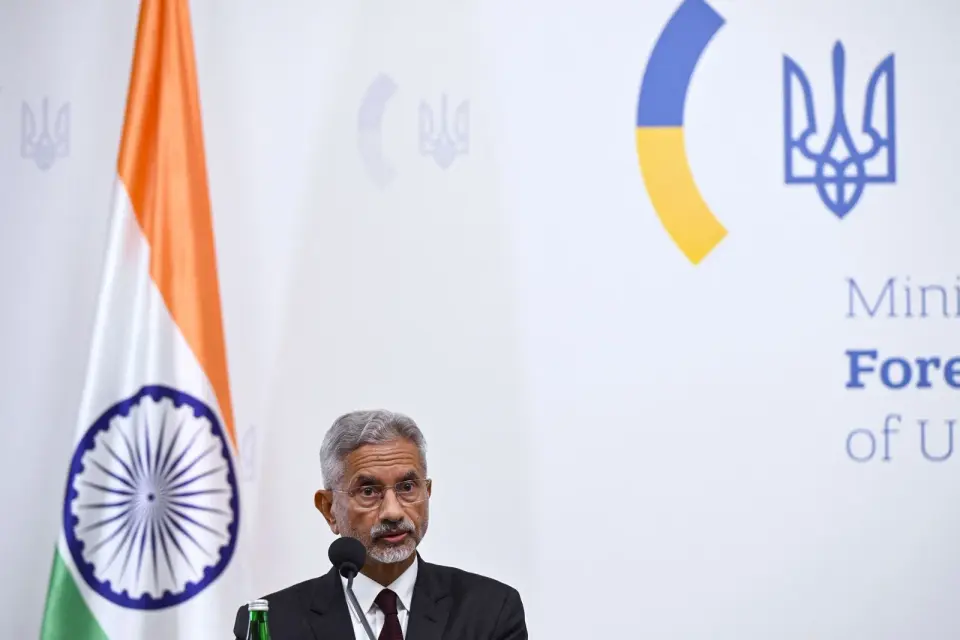
Indian Foreign Minister S. Jaishankar visited Kyiv on September 3, 2026, for the first standalone bilateral trip in history. He stated that halting Russian oil purchases will not end the war, which is now in its fifth year, and emphasized that diplomacy, not battlefield outcomes, will resolve the conflict. While India remains Russia's second-largest crude buyer, the US is considering tariffs of up to 100% on major buyers of Russian energy. Ukraine welcomed the visit as historic and discussed expanding trade, energy cooperation, and Black Sea navigation.
Key points
- Jaishankar's visit to Kyiv on September 3, 2026, was the first standalone trip by an Indian foreign minister to Ukraine, marking a milestone in bilateral relations.
- Jaishankar argued that the war will not end due to changes in oil or mineral purchases, stating that solutions must come through dialogue and diplomacy rather than battlefield results.
- India remains Russia's second-largest buyer of crude oil, a source of revenue for Moscow since the 2022 invasion, but faces potential US tariffs of up to 100% if the US House passes a proposed bill.
- Ukrainian President Zelensky thanked India for its commitment to ending the war and discussed threats to civilian shipping in the Black Sea, noting that Russian jet-powered drones were intercepted during the Indian delegation's visit.
- Ukraine and India discussed expanding trade, currently valued at USD 2.6 billion, with potential growth in energy, agriculture, and infrastructure sectors.
Background
This visit follows Prime Minister Narendra Modi's recent meeting with Russian President Vladimir Putin in Bishkek, where Modi urged an end to the war. The US has been pushing India to replace Russian oil with Venezuelan crude, having previously imposed 25% tariffs on Indian imports over its energy trade with Russia, later reduced to 18%. The conflict has entered its fifth year, with ongoing Russian strikes on Ukrainian energy infrastructure and civilian areas.
How outlets are covering it
The Kyiv Independent and India Today both highlight Jaishankar's defense of India's energy needs, emphasizing that the war's resolution depends on diplomacy, not oil purchases. Ukrinform and france24 focus on the historic nature of the visit and the discussions on Black Sea navigation and food security. While all sources agree on the diplomatic efforts, they differ in emphasis: The Kyiv Independent and India Today stress the US tariff threat, while Ukrinform and france24 highlight the expansion of bilateral trade and security cooperation. The sources also note the ongoing Russian drone attacks during the visit, with Zelensky attributing the safety of the Indian delegation to Ukrainian fighter jets.
Why it matters
The visit underscores the complex balance India maintains between its energy needs and diplomatic pressure from the US and Ukraine. The potential US tariffs could significantly impact India's economy and its relationship with Russia, while the expansion of trade with Ukraine offers new opportunities. The ongoing war and its impact on global energy markets and food security make these diplomatic efforts critical for international stability.
What to watch
The US House is expected to vote on a bill that could impose tariffs of up to 100% on countries among the top five buyers of Russian oil or gas, including India and China. India and Ukraine are likely to set a date for their intergovernmental economic commission to intensify trade and investment ties. The war's fifth year will continue to shape global energy and diplomatic dynamics, with ongoing Russian strikes and Ukrainian counterattacks.
- War against Ukraine can't be resolved by halting Russian oil purchases, Indian FM says The Kyiv Independent
- India news: Jaishankar offers help to end war in Ukraine dw.com
- Will India keep buying Russian oil amid war? Here's what Jaishankar told Zelenskyy India Today
- India’s FM arrives in Ukraine for first-of-its-kind visit Ukrinform
- Ukraine, India discuss Black Sea, food security on FM's 'historic' Kyiv visit france24.com
Want the full story? Read the original reporting
Read on The Kyiv Independent