
Milei’s Falklands Push Tests US Neutrality Amid UK-US Rift
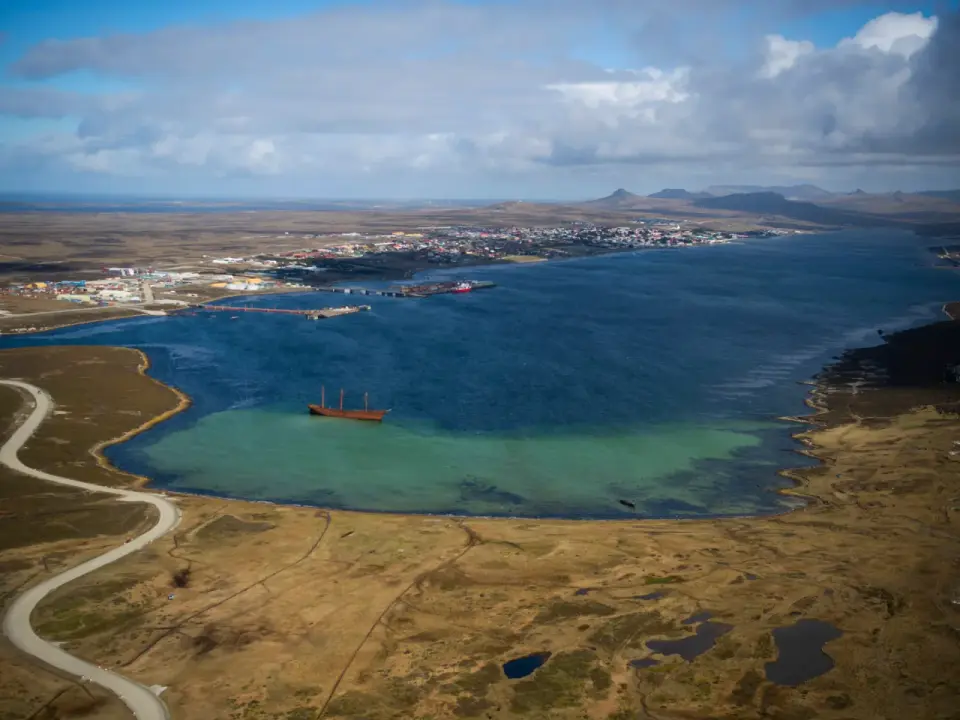
Argentina has escalated its dispute with the UK over the Falkland Islands, citing US President Donald Trump’s potential shift from neutrality. President Javier Milei ordered proceedings against 45 entities linked to hydrocarbon exploration, specifically targeting the Sea Lion oil project. The UK reaffirmed its commitment to the islands, while analysts note the dispute is driven by domestic political pressures and transatlantic tensions.
Key points
- Argentina ordered legal proceedings against 45 entities linked to hydrocarbon exploration around the Falklands, targeting the Sea Lion oil project.
- President Javier Milei cited US President Donald Trump’s review of US neutrality as a catalyst for his 'winds of change' rhetoric.
- The Sea Lion oil project, a joint UK-Israel venture, is expected to begin production in 2028, raising economic stakes for the dispute.
- The UK government reaffirmed its 'unshakeable' commitment to the Falklands, citing the self-determination of the islanders.
- Milei’s actions are linked to his declining approval ratings and the need to bolster his position ahead of the 2027 presidential election.
Background
The dispute over the Falkland Islands, known as Las Malvinas in Argentina, dates back to a 10-week war in 1982 that resulted in the surrender of Argentine troops. Argentina’s sovereignty claim is enshrined in its constitution, while the UK maintains control based on the self-determination of the islanders, who voted to remain British in 2013. Recent tensions have been exacerbated by US President Donald Trump’s criticism of the UK for not supporting the US in the Iran conflict, leading to a potential shift in US neutrality on the islands. Milei has leveraged this rift to strengthen Argentina’s claim, despite the UK’s reaffirmation of its commitment to the islands.
How outlets are covering it
Al Jazeera emphasizes the economic stakes of the dispute, highlighting the Sea Lion oil project and Milei’s threats to sanction 45 entities. The Guardian focuses on Trump’s vindictive mindset and how it benefits Milei, noting the broader context of US retribution against allies like the UK, South Korea, and Germany. The BBC highlights the domestic political pressures on Milei, including his declining approval ratings and the 2027 election, as well as the historical context of the dispute. All three sources agree that the dispute is driven by a combination of economic, political, and transatlantic factors, but they differ in their emphasis on the role of US neutrality and the domestic political landscape in Argentina.
Why it matters
The dispute over the Falkland Islands has significant implications for international relations, particularly between the US, UK, and Argentina. A shift in US neutrality could alter the balance of power in the South Atlantic and affect energy exploration in the region. The dispute also highlights the broader tensions between the US and its allies, as well as the domestic political pressures facing Milei. The outcome of the dispute could have long-term consequences for the sovereignty of the islands and the economic interests of the involved parties.
What to watch
The next steps in the dispute will likely involve further diplomatic negotiations between the US, UK, and Argentina. Milei may continue to leverage his relationship with Trump to strengthen Argentina’s claim, while the UK will likely reaffirm its commitment to the islands. The outcome of the 2027 presidential election in Argentina could also influence the trajectory of the dispute, as Milei’s approval ratings have declined. The Sea Lion oil project is expected to begin production in 2028, which could further escalate tensions if Argentina continues to oppose the project.
- Why do the Falkland Islands matter to the UK and Argentina so much? Al Jazeera
- Milei-Allied Real Estate Mogul Defends His Falklands Investment bloomberg.com
- Javier Milei’s outburst over the Falklands is a mark of weakness The Economist
- Trump’s pique with UK could lead to favor to acolyte Milei over Falklands The Guardian
- Trump's response is key as Argentina's Falklands demands get louder BBC
Want the full story? Read the original reporting
Read on Al Jazeera