
Pakistan Launches New Airstrikes in Afghanistan, Citing Precision Against Militant Hideouts
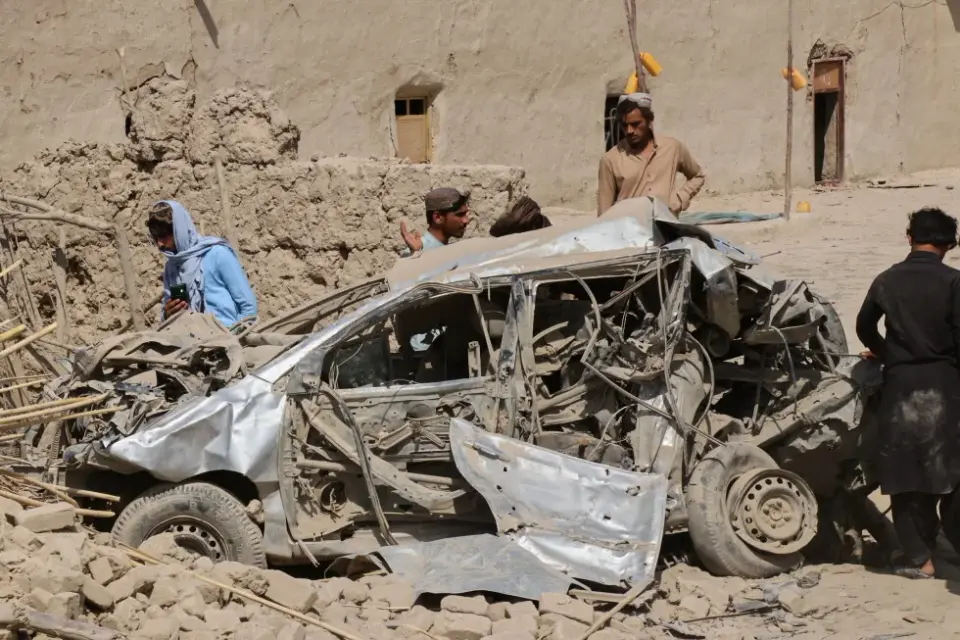
Pakistan conducted new airstrikes in Afghanistan, targeting militant hideouts and camps. Islamabad claims the operations were precise and destroyed large quantities of weapons, while local residents report civilian deaths, including a shepherd unaffiliated with any group. The strikes continue a pattern of cross-border violence amid disputes over the Tehrik-e-Taliban Pakistan (TTP).
Key points
- Pakistan's Ministry of Information stated the airstrikes were 'well planned and calibrated' against militant hideouts and camps, emphasizing precision and accuracy.
- The ministry claimed large quantities of weapons and ammunition were located in the targeted hideouts and were destroyed.
- A local resident, 32-year-old Mohammad Habib, reported that one of the killed was a shepherd with no affiliation to militant or government groups, describing him as a poor and humble man.
- Pakistan accuses the Afghan Taliban government of allowing the TTP to operate from Afghan territory to carry out attacks inside Pakistan.
- The Afghan Taliban government denies providing a safe haven for the TTP and has rejected Pakistan's accusations.
- Pakistan's Ministry of Information stated that 'maximum precautions were taken' to ensure no collateral damage occurred and that the campaign would continue at full pace.
Background
This latest round of airstrikes follows a series of cross-border incidents in late September and early October 2026. On September 25, Pakistani security forces reported killing Afghan Taliban fighters after a second wave of airstrikes within a week. On September 21, Afghanistan summoned Pakistan's envoy to protest strikes in Kunar and Paktika that killed a family. On October 1, Pakistan conducted strikes in Kunar and Helmand provinces, killing at least nine civilians according to the Afghan Taliban government, while Islamabad claimed 22 fighters were killed. The UN has reported over 1,100 civilian casualties in Afghanistan this year due to cross-border violence. These events follow a deadly mosque bombing in Pakistan on September 18 that killed at least 21 people, reigniting tensions between the two neighbors.
Why it matters
The continued escalation of cross-border airstrikes between Pakistan and Afghanistan threatens regional stability and undermines recent mediation efforts by regional powers. The conflict highlights the deepening rift between Islamabad and Kabul over the presence of the TTP in Afghanistan, with Pakistan accusing the Afghan Taliban of harboring militants and Kabul rejecting these claims. The reported civilian casualties, including non-combatants like shepherds, raise serious humanitarian concerns and may further complicate diplomatic relations and security dynamics in the region.
What to watch
Pakistan's Ministry of Information indicated that its campaign against militants will continue at full pace. The Afghan Taliban government is expected to continue rejecting Pakistan's accusations and may respond to the strikes, potentially through diplomatic channels or other means. Regional powers may seek to mediate the conflict to prevent further escalation. The situation will likely remain tense, with ongoing cross-border violence and disputes over the TTP's presence in Afghanistan.
Want the full story? Read the original reporting
Read on AP News