
Pakistan scrambles to reassure Riyadh after Houthi strikes test new Mecca defence pact
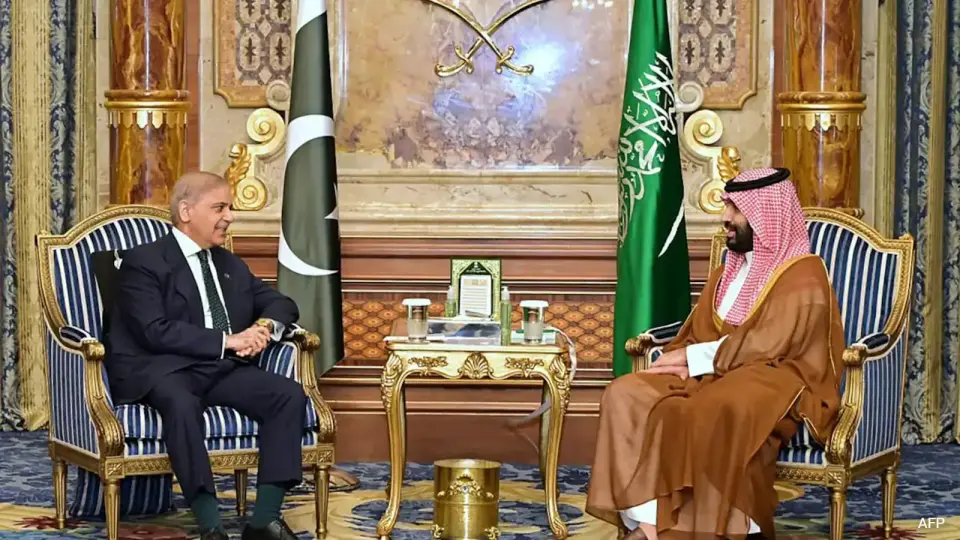
Pakistan is urgently mending ties with Saudi Arabia after initially downplaying its obligations under the new Mecca defence pact. Following Houthi drone attacks that damaged Saudi infrastructure and forced the temporary closure of the 1,200-km East-West oil pipeline, Prime Minister Shehbaz Sharif called Crown Prince Mohammed bin Salman to express 'complete solidarity.' This diplomatic pivot follows earlier confusion where Islamabad suggested the pact did not automatically trigger military action. The crisis highlights Pakistan's dilemma: balancing its new security alliance with Riyadh against its reliance on Iranian energy routes and fears of direct war involvement.
Key points
- Saudi Arabia temporarily shut its 1,200-km East-West oil pipeline after a Houthi drone attack launched from Iraq, injuring two people and damaging a mosque and other buildings.
- Pakistan Prime Minister Shehbaz Sharif called Saudi Crown Prince Mohammed bin Salman to condemn the attacks and reaffirm 'complete solidarity,' reversing earlier statements that the Mecca pact did not mandate immediate military intervention.
- The Mecca Joint Defence Agreement, signed in August 2026 between Pakistan, Saudi Arabia, and Turkey, lacks defined thresholds for intervention, with Turkey’s foreign minister comparing its activation process to NATO’s Article 4 and 5.
- Pakistan faces a strategic dilemma: it relies on Gulf defence deals for economic stability but also depends on oil shipments through the Strait of Hormuz and Red Sea, which Iran and the Houthis can disrupt.
- Pakistani officials fear that direct military action against the Houthis is more likely to draw Islamabad into a broader war than previous Iranian missile strikes on Saudi energy infrastructure.
Background
This incident follows a series of escalating tensions in the Middle East. In August 2026, Saudi Arabia, Pakistan, and Turkey signed the Mecca Joint Defence Agreement, expanding a prior bilateral pact between Islamabad and Riyadh. Earlier in September, Pakistan walked back warnings that the pact would automatically trigger military action if the Yemen conflict spilled into Saudi Arabia, causing diplomatic friction. The current crisis occurs against the backdrop of a wider US-Iran conflict since February 2026, which has disrupted shipping in the Strait of Hormuz and increased the strategic importance of the Red Sea and Saudi pipelines for global energy supplies.
How outlets are covering it
NDTV emphasizes Pakistan's diplomatic 'damage control' and the internal anxiety within Islamabad regarding the risk of being dragged into a war. It highlights the tension between Pakistan's economic reliance on Gulf investments and its energy dependence on routes controlled by Iran and the Houthis. The Guardian focuses on the operational details of the Houthi offensive, including the capture of Mocha port and the closure of the Saudi pipeline, while noting that Saudi Crown Prince Mohammed bin Salman reportedly requested US strikes on the Houthis, which were rejected. Al Jazeera provides a structural analysis of the Mecca pact, arguing that it is still in a 'gestation period' without clear rules of engagement. It suggests that Pakistan is unlikely to engage in direct military operations in Yemen due to historical trauma from the Afghan war and domestic political constraints, preferring instead to increase diplomatic pressure on Iran and provide defensive support to Saudi Arabia.
Why it matters
The situation tests the viability of the new Mecca defence architecture in the Gulf. If Pakistan fails to support Saudi Arabia effectively, it could jeopardize crucial defence deals and potential investments that are vital for Pakistan's fragile economy. Conversely, direct involvement risks entangling Pakistan in a broader regional war with Iran, threatening its domestic stability and energy security. The outcome will define the practical limits of non-NATO collective defence pacts in a fragmented Middle East.
What to watch
Watch for any formal invocation of the Mecca pact by Saudi Arabia, which would require a consultation process to define the type of assistance needed. Monitor diplomatic channels between Pakistan, Turkey, and Iran, as Islamabad and Ankara are currently pressing Tehran to restrain the Houthis. The status of the Saudi East-West pipeline is critical; if repairs take weeks, global oil prices may remain elevated, and Saudi Arabia may seek alternative export routes or further security guarantees from its new allies.
- Pakistan's Damage Control With Saudi After Backtracking On Houthi Fight NDTV
- Houthis say Saudi Arabia hits Yemen with 54 strikes after attack on bases Yahoo
- Saudi-led coalition says 13 civilians injured in Houthi attacks on three Saudi cities timesofisrael.com
- Houthis claim attack on Saudi base as fighting flares with Yemeni forces The Guardian
- Will the Houthi attacks activate the Mecca Pact? Al Jazeera
Want the full story? Read the original reporting
Read on NDTV