
Poland Blames Russia for Starlink Station Fire as NATO Fears Hybrid Escalation
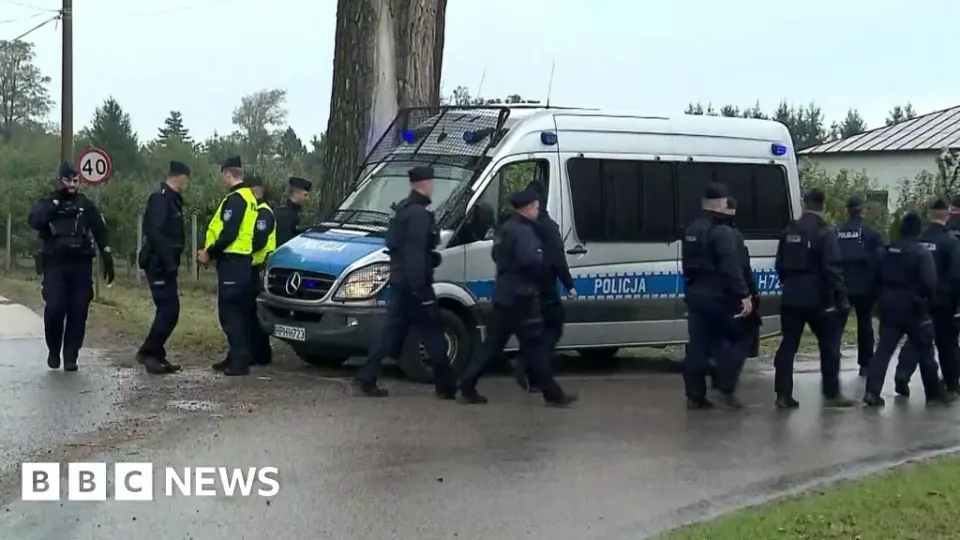
A fire at a Starlink ground station in Poland is being investigated as sabotage, with officials linking it to Russian hybrid warfare tactics. The incident disrupts internet links to Ukraine, while Denmark warns of rising Russian threats against NATO.
Key points
- Fire at Starlink station in Wola Krobowska, Poland, investigated as deliberate sabotage.
- Polish officials state the attack aims to disrupt internet access for Ukraine and other institutions.
- Denmark's intelligence service warns of a growing risk of limited Russian military attacks on NATO.
- Recent incidents include Russian drone and helicopter violations of Polish airspace.
- Investigation ongoing; some officials caution against premature conclusions on sabotage.
Background
Poland has faced multiple suspected Russian sabotage attempts since 2022, including a fire at a drone-parts manufacturer in September 2026 and an assassination plot in August 2026. In September 2026, Polish Prime Minister Donald Tusk warned of potential Russian hybrid attacks targeting NATO allies to undermine support for Ukraine.
How outlets are covering it
BBC and Euronews report that Polish Deputy PM Krzysztof Gawkowski labeled the fire 'sabotage' and linked it to Russian hybrid warfare, noting the station's role in internet connectivity for Ukraine. Notes from Poland adds that the station is owned by Exatel and serves Central and Eastern Europe, including Ukraine, with Gawkowski calling the 'modus operandi' clearly Russian. TVP World reports that while Gawkowski suspects deliberate ignition, security spokesperson Jacek Dobrzyński stated it is too early to confirm sabotage, with electrical faults still under consideration. Denmark's intelligence service, cited by BBC, warns of a 'low but growing risk' of limited Russian military attacks on NATO, contrasting with Russia's denial of involvement.
Why it matters
The incident highlights escalating hybrid warfare risks for NATO members, particularly Poland, and underscores the strategic importance of Starlink infrastructure for Ukraine's military and civilian communications. It may influence NATO's defensive posture and international support for Ukraine amid ongoing Russian aggression.
What to watch
Investigation into the fire's cause will continue, with potential implications for Poland's security measures and NATO's response to hybrid threats. Denmark's warning suggests heightened vigilance across NATO, while Russia's denial of involvement may lead to further diplomatic tensions.
- Poland says fire at Starlink station is sabotage as Denmark warns of rising Russian threat BBC
- Starlink ground station in Poland hit by fire in suspected arson attack Notes From Poland
- Fire at Starlink station in Poland was 'sabotage,' minister says euronews.com
- Arson probe launched after fire erupts at Polish Starlink site TVP World
- Starlink Base Station Caught Fire in Poland, Minister Says Bloomberg.com
Want the full story? Read the original reporting
Read on BBC