
Putin's Succession Crisis: Seven Candidates, One Uncertain Future
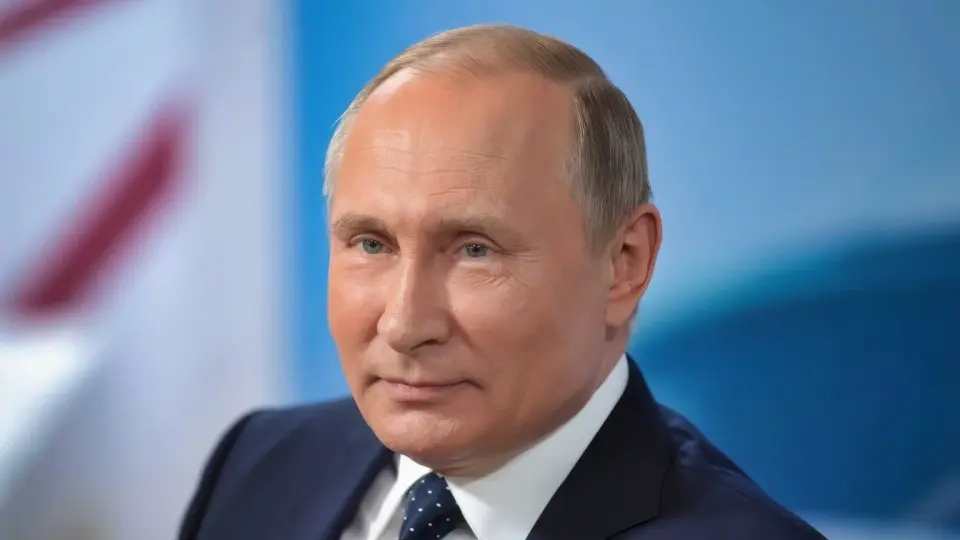
A Washington Post analysis identifies seven potential successors to Vladimir Putin, highlighting a fragmented power structure rather than a clear heir. While 19FortyFive notes the Kremlin’s preference for younger candidates to avoid Soviet-style instability, Eurasia Review argues Western analysts miss the chaotic, informal nature of Russian power transitions. Radar Armenia warns that the end of the Ukraine war could trigger internal instability, complicating any succession plan.
Key points
- The Washington Post identifies seven contenders: Mishustin, Dyumin, Patrushev, Kovalchuk, Manturov, Sobyanin, and Kiriyenko.
- 19FortyFive emphasizes that candidates are mostly in their late 40s to mid-50s, avoiding the 'old guard' like FSB chief Bortnikov.
- Eurasia Review criticizes Western 'job board' analysis, arguing Russian succession depends on informal networks and balancing competing clans.
- Radar Armenia suggests the war's end could cause internal instability, making succession unpredictable regardless of current candidates.
Background
Putin has ruled Russia since 2000, with no clear heir apparent. The 2020 constitutional referendum allowed him to stay in power until 2036. The current war in Ukraine, ongoing since 2022, has strained the economy and military, raising questions about regime stability.
How outlets are covering it
The Washington Post provides a detailed breakdown of seven candidates, noting their backgrounds and connections to security services or business elites. 19FortyFive focuses on the generational shift, suggesting Putin is avoiding the instability of the Soviet era's aging leaders. Eurasia Review argues that Western analyses fail to account for informal networks, regional diversity, and the chaotic nature of Russian power transitions. Radar Armenia highlights the potential for internal instability if the war ends without clear victory, complicating any succession plan.
Why it matters
The lack of a clear successor could lead to a power vacuum or conflict among competing factions in Russia. The outcome of the Ukraine war and the stability of the Russian economy will significantly influence who emerges as the next leader, with potential implications for global security and international relations.
What to watch
Watch for shifts in the Kremlin's power structure, particularly promotions or demotions among the seven candidates. Monitor the outcome of the Ukraine war and its impact on the Russian economy and military. Observe any changes in the informal networks and alliances within the Russian elite.
- The Race to Succeed Putin Has Begun 19FortyFive
- Seven men who could lead Russia after Putin The Washington Post
- The war's end will be a headache for Putin's government. Ghevondyan Radar.am
- Western Predictions About Who Will Succeed Putin Missing The Main Thing – OpEd Eurasia Review
- The era after Putin/ Seven names seen as potential "heirs" of the Kremlin Balkanweb.com
Want the full story? Read the original reporting
Read on 19FortyFive