
Red Sea shipping crisis deepens as Houthi strikes kill six and prompt new defense pacts
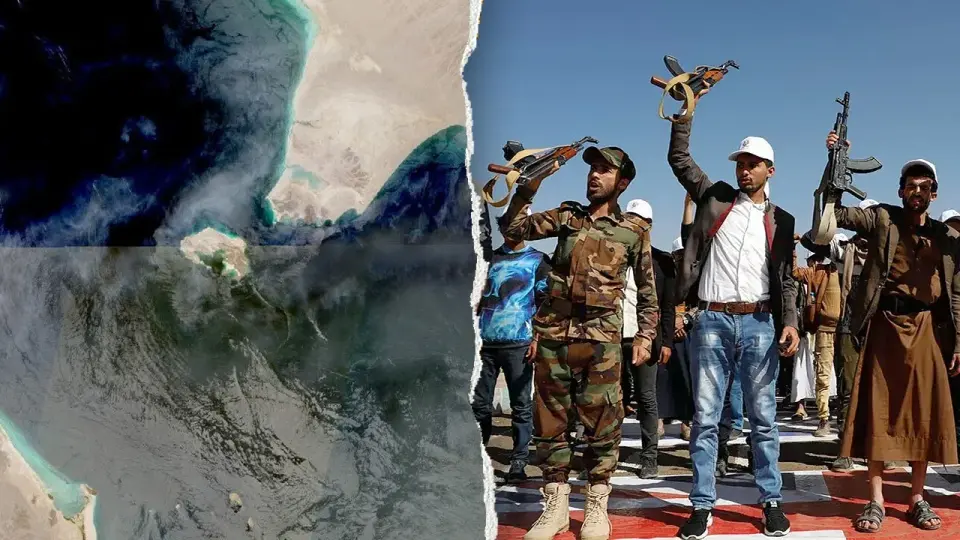
The Bab el-Mandeb Strait is emerging as a critical secondary chokepoint in the ongoing US-Iran conflict. On August 16, 2026, Iran-backed Houthis attacked the Egyptian-owned cargo ship Tihamah, killing four crew members and two rescuers. This incident marks the first fatal Houthi strike on shipping since the war began in February. While the US and regional allies are forming new defense coalitions to protect maritime routes, analysts note that unlike the Strait of Hormuz, the Red Sea offers alternative routes around Africa, though the threat remains severe due to Yemen’s fractured political landscape.
Key points
- Houthis attacked the cargo ship Tihamah in the Bab el-Mandeb Strait, killing four crew members (three Pakistanis, one Indonesian) and two Yemeni rescuers, marking the first deadly Houthi strike on shipping since the US-Iran war began on February 28, 2026.
- Saudi Arabia, Turkey, and Pakistan signed the Mecca Joint Defense Agreement on August 7, 2026, to coordinate military responses against Iran-backed groups, while a separate 14-nation maritime coalition led by Saudi Arabia is being formed to protect Red Sea navigation.
- Shipping traffic in the Strait of Hormuz has dropped to 17% of pre-conflict levels, forcing Saudi Arabia to rely more heavily on Red Sea export infrastructure, which is now under threat from Houthi attacks.
- Yemen’s political fragmentation complicates security efforts; the Houthis control Sanaa and northern Yemen, while the internationally recognized government operates from Aden, and the Southern Transitional Council holds influence in the south.
- The US State Department has sanctioned over 200 entities associated with the Houthis and emphasized that protecting freedom of navigation in both the Red Sea and Strait of Hormuz is a top national security priority.
Background
The current escalation follows a period of relative calm in Yemen since the 2022 UN-brokered truce. In late July 2026, the Houthis declared a naval blockade of Saudi Arabia, leading to a 40% decline in tanker transits through Bab el-Mandeb. Previous reports indicated that the Houthis were planning to charge tolls for ships passing through the strait, mirroring Iran’s tactics in the Strait of Hormuz. The broader US-Iran conflict, which began in February 2026, has already disrupted global energy supplies and led to prolonged US naval deployments, including record-setting missions for aircraft carriers like the USS Abraham Lincoln.
How outlets are covering it
Fox News emphasizes the strategic parallel between the Bab el-Mandeb Strait and the Strait of Hormuz, highlighting the potential for a second major pressure point in the US-Iran conflict. It notes that while naval power can protect individual vessels, it cannot neutralize Houthi launch sites without ground intervention. CNN focuses on the immediate humanitarian and military fallout, detailing the deadly Israeli strikes in Lebanon and the latest Houthi missile attacks on the Yemeni port of Mocha, which killed one person and injured eight. BBC provides a factual account of the Tihamah attack, confirming the death toll and noting that the Houthis claimed the ship was carrying Saudi military equipment, though Yemeni officials described it as a commercial vessel carrying food. All sources agree on the severity of the threat but differ in emphasis: Fox News focuses on geopolitical strategy, CNN on the broader regional conflict, and BBC on the specific incident and its verification.
Why it matters
The security of the Bab el-Mandeb Strait is crucial for global energy and commercial shipping, as it connects the Red Sea to the Suez Canal and the Mediterranean. Disruptions here force ships to take longer routes around Africa, increasing costs and time. The conflict also threatens regional stability, as the Houthis are part of Iran’s 'Axis of Resistance,' and their actions could draw Yemen deeper into the wider US-Iran confrontation. The formation of new defense pacts and coalitions signals a shift toward a more coordinated regional response to Iranian proxy threats, potentially altering the balance of power in the Middle East.
What to watch
The US and its regional partners are expected to continue enforcing the ceasefire terms and protecting freedom of navigation in the Red Sea. The newly formed 14-nation maritime coalition, led by Saudi Arabia, will likely hold further meetings in Jeddah to establish operational protocols. The US is also expected to expand sanctions against entities linked to the Houthis to disrupt their funding and weapon supply. In the short term, the focus will be on preventing further Houthi attacks on shipping and ensuring that the Mecca Joint Defense Agreement translates into tangible security measures along the Saudi-Yemeni border and in the maritime domain.
- Bab el-Mandeb Strait faces growing threat as Houthi attacks raise fears of a second Hormuz Fox News
- August 15, 2026 — Shipping faces more disruptions in the Middle East CNN
- Houthis reportedly kill six in first deadly attack since start of Iran war bbc.com
- Politics The Economist
- ‘People were burning’: Crew members of ship hit by Houthis recount attack The Times of Israel
Want the full story? Read the original reporting
Read on Fox News