
US-Saudi Strikes in Iraq and Retaliatory Iran Bombing Escalate Regional Conflict
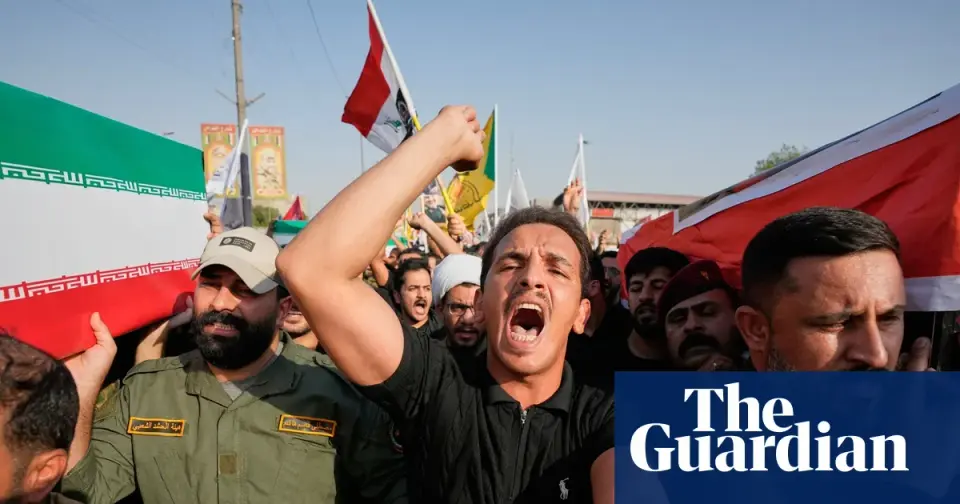
Joint US-Saudi airstrikes on Iran-backed militias in Iraq killed at least 20 fighters, marking Riyadh’s first public combat role in the Iran war. Iran retaliated with a missile attack on US forces in Jordan, which was intercepted, followed by a new wave of US strikes on Iranian military targets. The escalation has triggered diplomatic rifts, including Iraq canceling a meeting with Saudi Arabia, and caused oil prices to surge as shipping through the Strait of Hormuz remains severely depressed.
Key points
- US and Saudi Arabia conducted joint airstrikes on Popular Mobilization Forces (PMF) bases in Iraq, killing at least 20 and wounding 32, according to the PMF.
- Iran launched ballistic missiles at US military installations in Jordan; US Central Command stated all missiles were intercepted.
- US Central Command confirmed a subsequent 'heavy wave of strikes' against dozens of Islamic Revolutionary Guard Corps targets in southern Iran, including Bandar Abbas and Qeshm Island.
- Iraqi Prime Minister Ali al-Zaidi canceled a planned meeting with Saudi Crown Prince Mohammed bin Salman and directed the Foreign Ministry to pursue legal action over the strikes.
- WTI crude oil prices jumped nearly 7% to $84.60 per barrel, while vessel traffic through the Strait of Hormuz dropped to 14 crossings per day from a pre-war average of 120.
Background
This escalation follows a brief pause in direct US-Iran fighting, during which Tehran’s proxies in Yemen and Iraq increased pressure on US and Saudi targets. Previous archive coverage noted Saudi Arabia’s months of restraint before this overt intervention, driven by attacks on its oil infrastructure and a desire to counter Iranian influence in the region.
How outlets are covering it
The Guardian and CNN emphasize the 'uncharted' and unpredictable nature of the conflict, with analysts warning that Saudi Arabia’s overt involvement risks a wider regional war. Fox News highlights President Trump’s aggressive rhetoric, quoting his vow to 'beat the f------ s--- out of them,' and focuses on new US sanctions targeting eight oil tankers and 10 entities, including six in China. CNN reports that Saudi Defense Minister Khalid bin Salman met with VP JD Vance to convey Riyadh’s view that Iran will use escalation to create leverage, while still seeking de-escalation. The Guardian notes that Iraq’s presidency condemned the strikes as a violation of sovereignty, while Fox News reports Trump claimed the strikes were coordinated with Baghdad, a claim Baghdad rejected.
Why it matters
The conflict has moved from a US-Iran bilateral confrontation to a multi-front regional war involving Saudi Arabia, Iraq, and Iran’s proxies. The disruption of oil shipping routes and the surge in crude prices threaten global energy markets, while the diplomatic rupture between Iraq and Saudi Arabia complicates regional stability. The involvement of major powers and the potential for further retaliation create significant risks for broader geopolitical instability and economic inflation.
What to watch
Analysts expect continued tit-for-tat strikes as Iran and its proxies seek to pressure the US into concessions or confrontation. The US has indicated it will continue 'hitting hard,' while Iran has rejected Omani proposals for joint control of the Strait of Hormuz. Diplomatic efforts, including talks between the US and Iran, may continue alongside military actions, but the risk of further escalation remains high as regional actors interpret the chaos as an opportunity to shift the balance of power.
- US-Saudi strikes in Iraq push region into ‘uncharted territory’, analysts warn The Guardian
- Iran-US latest: US, Saudi strikes hit Iran-backed militias in Iraq Fox News
- Why the Saudis Attacked Iraq Despite Cordial Ties Bloomberg.com
- Live updates: Trump says Iran ‘going to get a beating’ as fresh fighting shatters calm CNN
- Iran War Live Updates: U.S. and Saudi Airstrikes Drag More Countries Into Fighting The New York Times
Want the full story? Read the original reporting
Read on The Guardian