
Rosstat Leak Suggests Over 450,000 Russian Deaths in Ukraine War
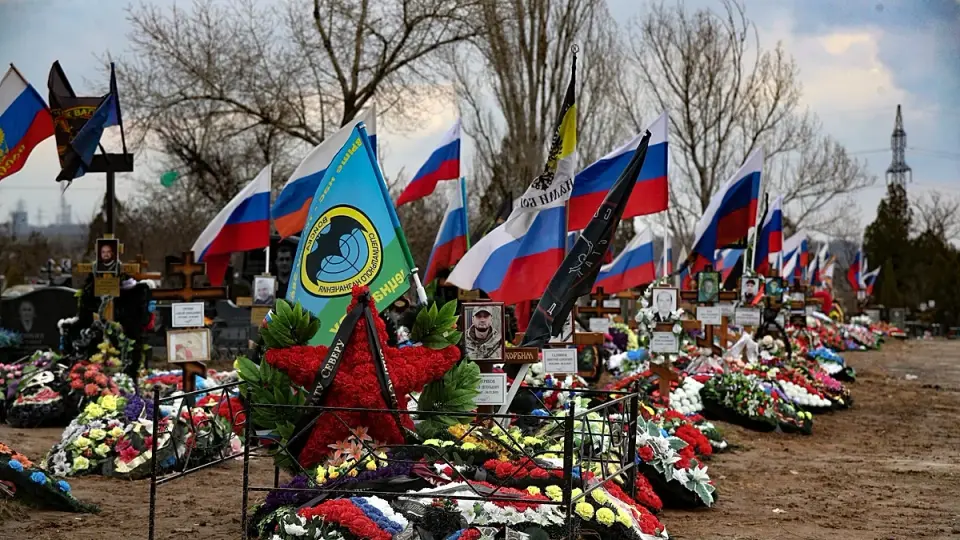
Hacking groups claim to have breached Russia’s Federal State Statistics Service (Rosstat), stealing 23 terabytes of data. The leaked files suggest over 450,000 Russians have died in the Ukraine war since 2022, a figure significantly higher than previous independent estimates. The data reveals an accelerating death rate and disproportionate losses among ethnic minorities, marking the conflict as Russia’s deadliest since World War II.
Key points
- Hacking groups Kiberpartizany BY and Silent Crow claim to have stolen 23 terabytes of data from Rosstat, including demographic and economic statistics.
- Silent Crow estimates 450,100 Russian deaths, while Kiberpartizany BY estimates 393,881, with the difference attributed to varying methodologies for counting non-combat and unverified deaths.
- The leaked data indicates that the war is now the fourth most common cause of death in Russia since 2022, exceeding the 13,000 Soviet troops killed in the Afghanistan War.
- Rosstat has not released official combat loss statistics since September 2022 and stopped publishing annual cause-of-death data in 2024, making this leak a significant source for independent verification.
- The data shows that 72% of deaths were registered in the Donetsk People's Republic, with major cities like Moscow registering a smaller share of casualties than their populations would suggest.
Background
This development follows a series of cyber incidents in late 2026, including simultaneous hacks of Russian and Ukrainian alert apps in early November that spread fake nuclear warnings. It also follows earlier independent estimates by Meduza and Mediazona, which suggested roughly 350,000 Russian servicemen had died by the end of 2025 based on inheritance registry data. The current leak provides a more comprehensive dataset, potentially offering the first official statistical basis for assessing the demographic impact of the war.
How outlets are covering it
Euronews emphasizes the methodological differences between the two hacking groups, noting that Silent Crow includes non-combat losses and deaths in occupied territories, while Kiberpartizany BY focuses strictly on military action. The Moscow Times highlights the political and demographic implications, citing researcher Maria Vyushkova’s claim that recruitment policies amount to the 'extermination of entire nations' for some ethnic groups. The Telegraph was inaccessible due to a security block, so no perspective could be extracted. All sources agree that the figures are consistent with previous independent estimates but caution that verification is ongoing.
Why it matters
The leak provides the first official statistical evidence of the scale of Russian military losses, challenging the Kremlin’s narrative of minimal casualties. It highlights the unsustainable demographic cost of the war, particularly for ethnic minorities, and may influence international perceptions of Russia’s long-term military capacity. The data also underscores the vulnerability of Russian state institutions to cyberattacks, potentially impacting future information warfare dynamics.
What to watch
Journalists from Meduza and Mediazona are verifying the authenticity and completeness of the leaked data. The Kremlin is expected to dismiss the figures as unreliable, as it has done with previous independent estimates. The leak may prompt further scrutiny of Rosstat’s data integrity and could influence international assessments of the war’s trajectory. There is no immediate indication of official Russian response, but the data may be used in future diplomatic or military analyses.
- Rosstat hack: data obtained suggests over 390,000 Russian deaths in Ukraine war Euronews.com
- Hacked Records Show 400,000 Russians Killed in War on Ukraine Bloomberg.com
- Official Data Shows 450,000 Russians Killed in War, Death Rate Accelerating – Rosstat Leaks The Moscow Times
- Russia’s Rosstat struggles to restore systems after major cyberattack The Seattle Times
- Russian data leak reveals death toll in Ukraine The Telegraph
Want the full story? Read the original reporting
Read on Euronews.com