
Russian Election Mandate Fuels Escalation Amid Deepening Domestic Crises
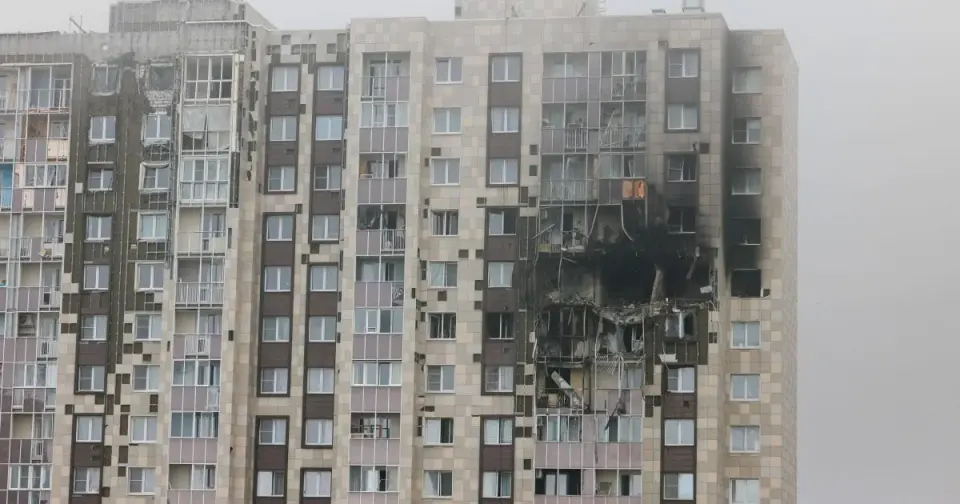
Vladimir Putin’s United Russia party secured a supermajority in recent parliamentary elections, providing the Kremlin with renewed legitimacy to escalate the war in Ukraine. While the Kremlin projects strength through aggressive military posturing and internal repression, independent polling reveals a sharp decline in public support for the conflict and growing anxiety over economic hardship, fuel shortages, and internet restrictions. The regime is now pursuing a strategy of 'conflict conveyor belt' escalation, including potential winter attacks on Ukraine’s power grid, while facing diminishing returns from its mobilization tactics and a lack of viable diplomatic off-ramps from the United States.
Key points
- United Russia won a planned supermajority in parliamentary elections, with compulsory voting and the removal of the anti-war Yabloko party ensuring a unified mandate for the Kremlin.
- Independent Levada Center polls show a 20-point drop in support for the 'special military operation' and a 12-point decline in Putin’s approval rating since 2025, contradicting the official narrative of total unity.
- Domestic morale is deteriorating due to inflation, gasoline shortages, and internet restrictions, with two-thirds of Russians reporting problems with mobile access and one in three facing fuel shortages.
- The Kremlin is escalating internally by arresting opposition figures, such as Yabloko leader Lev Shlosberg, and externally by preparing to strike Ukraine’s power grid in winter to freeze the country.
- U.S. diplomatic efforts, including a CIA visit to Moscow, have failed to establish a permanent peace channel, leaving Trump seeking a foreign policy success ahead of midterms while Putin stalls for time.
Background
This escalation follows a period of deepening domestic strain, where previous coverage noted Putin’s popularity crisis amid Ukrainian drone strikes on Russian logistics hubs and a military system hamstrung by WWII-era tactics and high casualties. Recent reports also highlighted Russia’s preparation for sweeping strikes on Ukraine’s energy infrastructure and the use of jet-powered drones to overwhelm air defenses, setting the stage for the current winter escalation strategy.
How outlets are covering it
Foreign Affairs emphasizes the disconnect between the Kremlin’s projected strength and the reality of declining public support, arguing that escalation is a sign of weakness and a mechanism to maintain power through manufactured crises. The secondary source from The Australian was inaccessible due to a bot challenge, so no comparative perspective could be synthesized from that outlet. However, the primary source notes that while the Kremlin claims unity, many Russians prefer intensified strikes over concessions, viewing them as a path to ending the war, which complicates the narrative of pure domestic opposition.
Why it matters
The combination of a rigged electoral mandate and deepening economic and social crises creates a volatile environment where the regime may resort to extreme measures, including further mobilization or nuclear threats, to sustain its grip on power. The lack of a viable diplomatic off-ramp from the U.S. and the Kremlin’s reliance on time as a weapon suggest a prolonged and potentially more destructive phase of the conflict, with significant implications for global energy markets and international stability.
What to watch
The Kremlin is expected to continue escalating, including potential winter attacks on Ukraine’s power grid and further internal repression. The U.S. may continue to dangle business deals or threaten sanctions, but without a permanent diplomatic channel, the status quo of stalled negotiations and continued conflict is likely to persist. Domestic unrest may grow if the regime attempts a new mobilization, though for now, Russians are bearing the burden of the war with feigned support.
- How Putin Escalates: A New Stage in Russia’s Confrontation With Ukraine—and the West Foreign Affairs
- ‘Public support’: Putin hails wartime election sweep The Australian
- Putin says Russia was Ready for Talks with Kyiv but Ukraine Launched Attacks Kurdistan24
- Putin says he is ready to resume talks with Ukraine in Istanbul, but Kyiv is "escalating the situation" Цензор.НЕТ
- Putin says Russia wanted to return to talks, but Ukraine struck the elections Around Prague
Want the full story? Read the original reporting
Read on Foreign Affairs