
U.S. Iran Strategy Shifts from Military Strikes to Economic Pressure Amid Stalemate
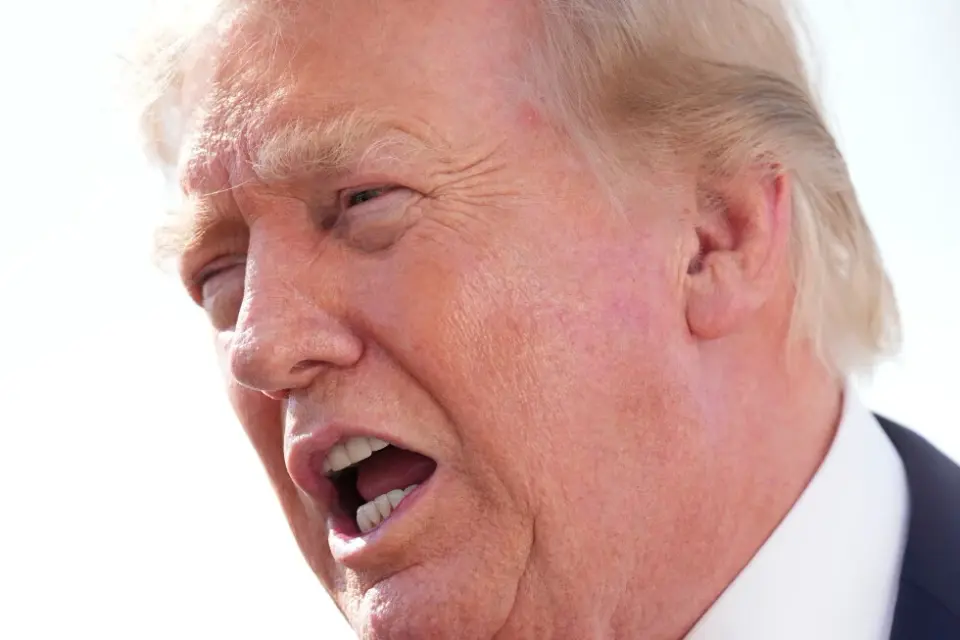
After six months of conflict, the U.S. has pivoted from military strikes to economic coercion against Iran, as the regime remains intact and the Strait of Hormuz remains disrupted. President Trump has declared victory, but a fragile ceasefire holds while tanker traffic stays low. The administration now relies on 'Operation Economic Outcast' to pressure Tehran, though experts doubt its effectiveness due to potential global economic fallout and Chinese retaliation. Regional allies are hedging their bets, with Saudi Arabia signing a defense pact with Pakistan and Turkey, while the U.S. faces a diminishing military presence in the Gulf.
Key points
- Trump predicted the war would last 'four to five weeks,' but it has dragged on for six months with no clear endgame.
- Iran's regime has not collapsed despite intense U.S. and Israeli airstrikes that killed many prewar leaders and damaged military infrastructure.
- A ceasefire agreed in April and extended in June holds, but tanker traffic through the Strait of Hormuz remains far below prewar levels.
- The U.S. has shifted to economic pressure, with Treasury Secretary Scott Bessent unveiling 'Operation Economic Outcast' to isolate Iran globally.
- Secondary sanctions risk 'blowing up the global financial system' and antagonizing China, which buys over 80% of Iranian oil exports.
- Regional allies are hedging: Saudi Arabia signed a joint defense agreement with Pakistan and Turkey, while the UAE deepens the Abraham Accords.
Background
The conflict began in March 2026, with initial promises of a swift resolution. By July, the war had become a protracted quagmire, with rising costs for U.S. consumers and a decline in public support. A limited deal was signed in June, but broader talks stalled by August, leading to a renewed focus on economic sanctions.
How outlets are covering it
AP News highlights the shift in U.S. goals, emphasizing the Strait of Hormuz as a top concern and the move to economic pressure. The Council on Foreign Relations (CFR) argues that the U.S. has no good options, noting that military escalation is risky and economic escalation antagonizes China. CFR also points to regional allies hedging their bets, such as Saudi Arabia's defense pact with Pakistan and Turkey, and the UAE's focus on the Abraham Accords. Both sources agree that the U.S. is facing a stalemate, but CFR is more critical of the administration's strategy, questioning its effectiveness and the long-term implications of a diminished U.S. presence in the Gulf.
Why it matters
The ongoing conflict affects global energy markets, with high oil prices and disrupted shipping through the Strait of Hormuz. It also raises questions about U.S. power and influence in the Middle East, as regional allies seek alternative security arrangements. The potential for economic retaliation from China and the risk of global financial instability add to the complexity of the situation.
What to watch
The U.S. will likely continue to rely on economic pressure, but its effectiveness is uncertain. Regional allies may further diversify their security partnerships, and the U.S. military presence in the Gulf could diminish. The outcome of the conflict will depend on whether Iran's leadership can withstand economic pressure and whether the U.S. can manage the risks of antagonizing China.
- After six months of Iran war, US goals have shifted. The Strait of Hormuz is now a top concern AP News
- After Six Months of War, Trump Is Still Losing to Iran The New Yorker
- How conflict between Washington, Tehran is changing The Jerusalem Post
- The Warnings That Came Before a War Now Reaching the Six-Month Mark WSJ
- Six Months Into the Iran War, the United States Has No Good Options Council on Foreign Relations
Want the full story? Read the original reporting
Read on AP News