
Six Months In, Trump’s Iran War Shifts to Economic Pressure as Public Support Collapses
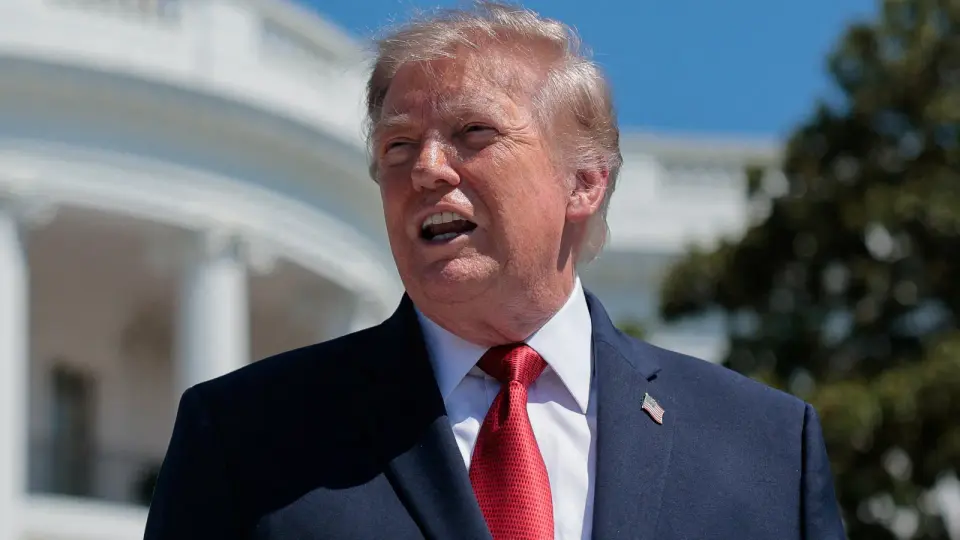
The US-Iran conflict, initiated in late February 2026, has evolved from a kinetic military campaign into a broader economic and diplomatic contest. While the US Navy has cleared mines from the Strait of Hormuz, Tehran continues to disrupt shipping and launch drone attacks. Washington has pivoted to 'Operation Economic Outcast,' a comprehensive sanctions regime, but faces resistance from China and Russia. Public support for the war remains low, with voters prioritizing domestic economic concerns over foreign policy, raising questions about the long-term legacy of the administration.
Key points
- The conflict began with US and Israeli airstrikes on February 28, 2026, but has not achieved a quick strategic victory despite initial military dominance.
- The US has shifted focus to economic isolation, with Treasury Secretary Scott Bessent launching 'Operation Economic Outcast' to sever Iran’s financial networks and oil smuggling channels.
- Iran continues to disrupt the Strait of Hormuz, a key route for global oil and gas, though the US Navy recently announced the removal of naval mines in the area.
- Public support for the war is minimal; recent polls show only 31% approval, with voters citing jobs and inflation as their top concerns rather than foreign policy.
- Diplomatic channels remain open, with Oman mediating discussions between Washington and Tehran, while China and Russia have resisted full compliance with US sanctions.
Background
This conflict follows a pattern of prolonged Middle Eastern engagements, such as Vietnam and Iraq, where initial military superiority did not translate into quick political resolution. Previous administrations faced similar challenges in defining exit strategies and managing domestic economic fallout. The current situation mirrors historical 'forever wars' where the absence of a clear endgame leads to extended entanglement and legacy-defining consequences for the president.
How outlets are covering it
USA Today emphasizes the parallels between the current Iran campaign and past 'forever wars,' highlighting the lack of a clear endgame and the erosion of public support. It notes that while the US has decimated Iranian military capabilities, the theocratic regime remains in control, and the nuclear program’s status is unchanged. The Jerusalem Post focuses on the shift to economic warfare, detailing the launch of 'Operation Economic Outcast' and the geopolitical implications for China and Russia, which are resisting US pressure. It also highlights the role of Oman in diplomatic mediation. AP News, though largely obscured by technical code in the provided source, is referenced in the context of shifting goals over six months, aligning with the broader narrative of a protracted conflict.
Why it matters
The prolonged conflict threatens to overshadow the Trump administration’s domestic achievements, such as tax cuts and immigration enforcement, much like the Vietnam War overshadowed the Great Society. The economic impact on global energy markets and domestic inflation could further erode public support, potentially influencing future elections. The shift to economic sanctions also tests the limits of US leverage in a multipolar world where China and Russia may not fully align with Washington’s demands.
What to watch
The effectiveness of 'Operation Economic Outcast' will depend on whether China and Russia reduce their engagement with Iran. Diplomatic efforts mediated by Oman may provide a path to de-escalation, but the lack of a clear endgame suggests the conflict could persist. Public opinion may continue to shift as economic costs mount, potentially pressuring the administration to seek a negotiated exit or escalate further.
- Hard lessons Trump has learned in Iran. Like, where's the exit? USA Today
- After six months of Iran war, US goals have shifted. The Strait of Hormuz is now a top concern AP News
- Follow live updates on the Trump administration The Boston Globe
- How conflict between Washington, Tehran is changing The Jerusalem Post
- The Warnings That Came Before a War Now Reaching the Six-Month Mark WSJ
Want the full story? Read the original reporting
Read on USA Today