
Strait of Hormuz sees fresh tanker strikes as drone alert hits Iraq gas field
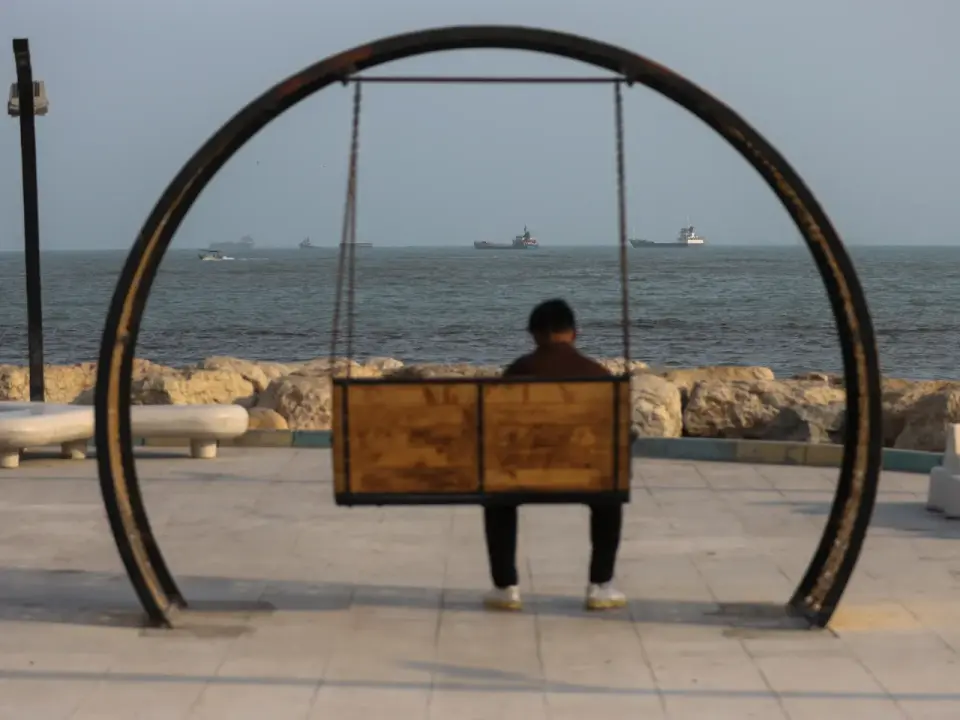
Fresh attacks on oil tankers in the Strait of Hormuz and a drone alert at a major gas field in northern Iraq have heightened concerns over energy infrastructure security. As the US reinforces its military presence with the arrival of the aircraft carrier USS Theodore Roosevelt, diplomatic efforts to end the conflict remain stalled.
Key points
- Iran’s Islamic Revolutionary Guard Corps (IRGC) Navy reported that two oil tankers struck naval mines and caught fire while crossing the southern part of the strait via a route Tehran considers unauthorized.
- The IRGC claimed one of the vessels was a supertanker carrying over two million barrels of crude oil that sank in the southern Persian Gulf, though these claims could not be independently verified.
- The UK Maritime Trade Operations agency separately confirmed two tanker attacks in the strait on Monday, including one incident seven nautical miles north of Khasab, Oman, where an engine room fire broke out.
- Warning sirens sounded at the Khor Mor gas field in Iraq’s Kurdistan region after a drone overflight, following a previous week’s incident that halted production and disrupted 2.8 gigawatts of electricity generation.
- The US military presence in the region has increased, with the arrival of the Nimitz-class aircraft carrier USS Theodore Roosevelt bringing the total number of American carriers in the US Central Command area to three.
Background
These incidents occur eight months after the US-Iran war began in late February 2026, which started with surprise US-Israeli strikes. The conflict has led to a naval blockade of the Strait of Hormuz, a waterway that normally carries about one-fifth of global oil. Previous weeks saw record-high tanker attack rates, with the UN International Maritime Organization recording 136 security incidents in the region between March and November 11. Environmental groups have also reported significant oil spills, with Greenpeace identifying over 500 instances of pollution across the Gulf and Arabian Sea since the war began.
How outlets are covering it
Al Jazeera and The Telegraph report on the IRGC’s claims of mine strikes and sinkings, noting that Iranian authorities did not identify the vessels and that independent verification is lacking. The Telegraph emphasizes the IRGC’s assertion that the strait is closed and that any US aggression will be met with harsher responses. In contrast, the US military has previously disputed mine claims and asserted the strait remains largely open. Mother Jones focuses on the environmental impact, citing satellite data that shows cumulative oil spills covering approximately 20,000 square kilometers, describing the damage as a 'generational threat' to marine ecosystems. While Al Jazeera and The Telegraph highlight immediate security and military escalations, Mother Jones underscores the long-term ecological consequences of the conflict.
Why it matters
The continued attacks on energy infrastructure threaten global oil supply chains and regional stability. The arrival of additional US military assets signals a sustained commitment to the conflict, while the drone alert in Iraq highlights the vulnerability of critical energy assets beyond the strait. These developments complicate diplomatic efforts to end the war and reopen the strait, potentially prolonging economic and environmental damage in the Middle East.
What to watch
Diplomatic efforts to end the conflict and reopen the Strait of Hormuz remain stalled. The US is expected to discuss the war at a trilateral meeting with Chinese and Russian counterparts. Environmental experts warn that the full extent of the damage to marine ecosystems cannot be established without ground investigations, which remain difficult due to the naval blockade. The situation is likely to remain volatile as both sides continue to assert control over the waterway and energy infrastructure.
- Tankers hit in Strait of Hormuz as drone raises alarm at Iraq gas field Al Jazeera
- Hormuz strike sparks fire and disables tanker as US ramps up military presence TradeWinds News
- Trump’s War Poses a “Generational Threat” to Wildlife in the Persian Gulf Mother Jones
- Iran's navy says three tankers on fire after hitting mines in Hormuz Reuters
- Oil supertanker ‘sinks after hitting mine’ in Strait of Hormuz The Telegraph
Want the full story? Read the original reporting
Read on Al Jazeera