
Sudan and Ethiopia sever diplomatic ties as RSF drone strikes cripple power grid
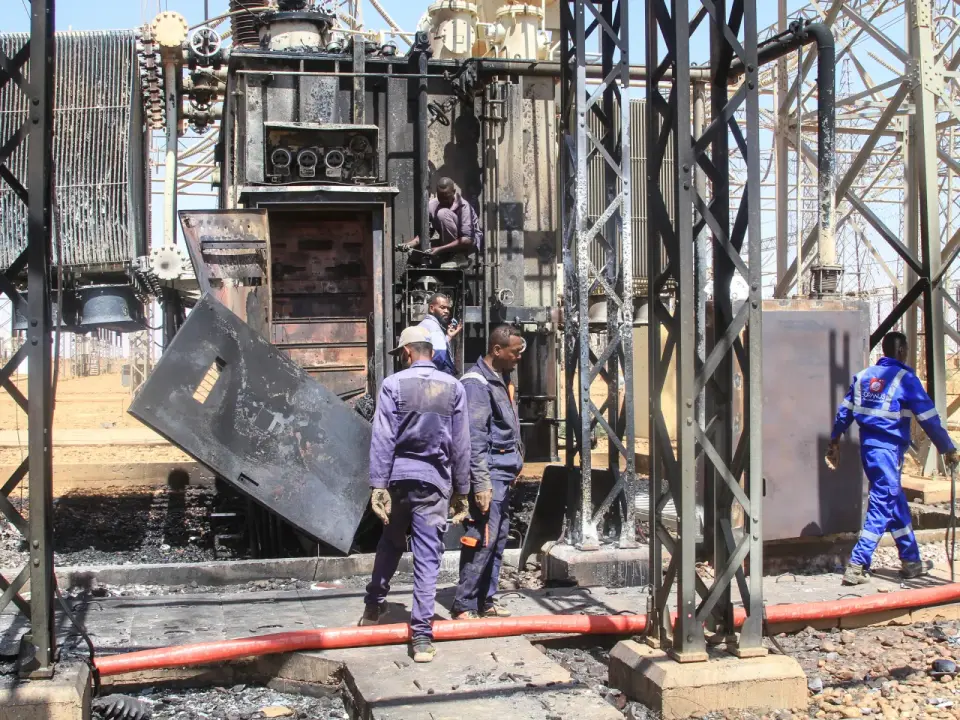
Sudan and Ethiopia have engaged in a tit-for-tat diplomatic escalation, with each nation closing the other's consulates and expelling diplomats. This move follows Sudan's formal complaints to the UN and African Union, alleging that Ethiopia is allowing the Rapid Support Forces (RSF) to launch drone strikes from its territory against civilian infrastructure in Sudan. These attacks have severely damaged Sudan's power grid, leaving the Merowe Dam as the primary energy source. While Sudan accuses Addis Ababa of aiding the RSF, Ethiopia denies the claims and counters that Sudan supports rebels in its Tigray region. The escalating tensions risk spilling over into a broader regional conflict, though both nations currently seek to avoid direct military confrontation.
Key points
- Ethiopia ordered six Sudanese diplomats to leave within 48 hours and closed Sudan's consulate in Asosa; Sudan retaliated by closing Ethiopia's consulate in Gadarif and expelling its staff.
- Sudan filed complaints with the UN Security Council and African Union, alleging Ethiopia facilitates RSF drone attacks on civilian targets, including electricity substations in Al-Dabba and Abu Hamad.
- Sudanese officials claim 187 explosive drones were launched from Ethiopia between February and October, killing over 400 civilians, though these figures are not independently verified.
- The RSF's drone campaign has targeted 15 substations since early October, reducing Sudan's power capacity from 4,400 megawatts to 1,100 megawatts, with the Merowe Dam now supplying over 70% of the nation's electricity.
- Ethiopia denies supporting the RSF and accuses Sudan of backing Tigrayan rebels, while Sudan's government states it is avoiding open war despite reserving the right to defend its territory.
Background
This diplomatic rupture occurs against the backdrop of a civil war in Sudan that began in April 2023, which has displaced over 14 million people and killed tens of thousands. Recent months have seen a surge in RSF drone attacks on civilian infrastructure, which analysts link to the group's military losses and supply route disruptions. Additionally, Ethiopia has faced its own internal conflicts in the Tigray region, with tensions exacerbated by disputes over the Grand Ethiopian Renaissance Dam and accusations of foreign support for rebel groups. Previous diplomatic frictions include Ethiopia expelling Eritrean and Egyptian diplomats in late 2026, reflecting a broader pattern of regional instability in the Horn of Africa.
How outlets are covering it
Al Jazeera and Anadolu Ajansı emphasize the immediate diplomatic retaliation, highlighting the closure of consulates and expulsion of diplomats as a direct response to Sudan's international complaints. AP News focuses on the humanitarian and infrastructural impact, detailing how drone strikes have left towns without power and threatened medical services, while noting the cost of solar alternatives for residents. ACLED provides a strategic analysis, suggesting the RSF's targeting of civilian infrastructure is a retaliatory measure for Sudanese Armed Forces airstrikes and an attempt to pressure the government into ceasefire negotiations. While all sources agree on the escalation, they differ in emphasis: Al Jazeera and Anadolu focus on the diplomatic breakdown, AP on the civilian suffering, and ACLED on the military strategy behind the attacks. All outlets note that both nations deny the core accusations of supporting each other's adversaries.
Why it matters
The closure of consulates and expulsion of diplomats mark a significant deterioration in relations between two major Horn of Africa nations, raising fears of a broader regional war. The destruction of Sudan's power grid infrastructure threatens to exacerbate an already severe humanitarian crisis, potentially displacing more civilians and disrupting essential services. If the conflict spills over, it could destabilize the entire region, affecting millions of people and complicating international efforts to resolve the ongoing civil war in Sudan and internal conflicts in Ethiopia.
What to watch
Diplomatic channels between Sudan and Ethiopia are likely to remain closed in the short term, with both nations monitoring the situation for further escalations. Sudan may continue to pursue international avenues through the UN and African Union to address the alleged use of Ethiopian territory by the RSF. Ethiopia may respond to Sudan's complaints with further diplomatic or military measures, though both sides have indicated a desire to avoid direct military confrontation. The RSF's drone campaign may continue if the group faces further military pressure, potentially leading to more attacks on civilian infrastructure. International observers will closely watch for any signs of a broader regional conflict, particularly given the unresolved tensions over the Grand Ethiopian Renaissance Dam and support for rebel groups in the region.
- Sudan, Ethiopia shut each other’s consulates in tit-for-tat move: Reports Al Jazeera
- Sudan’s power grid nears collapse as drone strikes blamed on RSF target electric stations AP News
- Ethiopia orders 6 Sudanese diplomatic officials to leave, closes consulate: Reports Anadolu Ajansı
- Why is the RSF targeting civilian infrastructure from drone bases in Ethiopia? ACLED
- Sudan races to secure fuel, repair power grid after attacks Sudan Tribune
Want the full story? Read the original reporting
Read on Al Jazeera