
Third Anniversary of October 7 Marks a Global Schism Between Survivor Testimony and Ongoing War
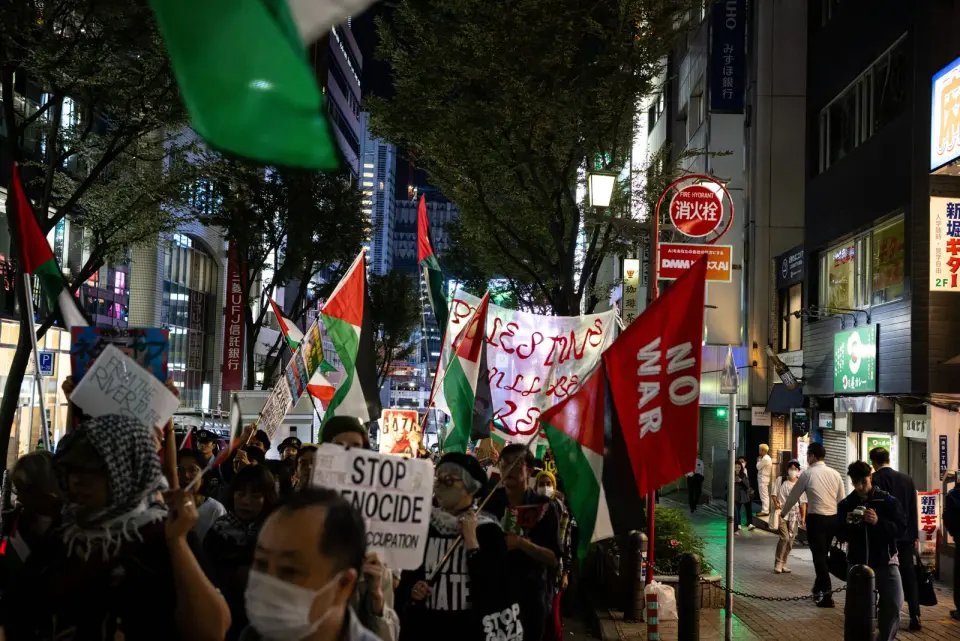
On the third anniversary of the October 7, 2023, attack, global reactions diverged sharply. While survivors testified at the UN about captivity and loss, pro-Palestinian vigils occurred worldwide. The war in Gaza continues despite a declared ceasefire, with rising death tolls and no resolution to the hostage crisis.
Key points
- Eliya Cohen, a hostage held for 505 days, and Nova festival survivor Ziv Abud testified at the UN, detailing torture and the loss of family members.
- Pro-Palestinian vigils were held in over 100 locations globally, which critics described as celebrating the massacre, while supporters framed them as mourning Palestinian war dead.
- Israeli strikes in Gaza continue three years after the initial attack, with the Washington Post reporting that deaths are climbing despite a ceasefire declared by President Trump in October 2025.
- Amir Tibon, a journalist, returned to Kibbutz Nahal Oz, the closest community to the Gaza border, but expressed doubt about the future of his family there if political changes do not occur.
- U.S. Ambassador Mike Waltz emphasized Israel's resilience, noting that Cohen refused to record a propaganda video for Hamas before his release.
Background
The October 7, 2023, attack remains a central point of contention in Middle Eastern politics. In September 2026, Sara Netanyahu suggested that military leadership had prior knowledge of the attack, sparking a defamation dispute and calls for a state commission of inquiry. This ongoing political tension underscores the unresolved nature of the events that led to the current conflict.
How outlets are covering it
The Washington Monthly and Fox News emphasized the horror of the attack and the suffering of hostages, criticizing pro-Palestinian vigils as celebrations of mass murder. In contrast, The Atlantic highlighted the personal toll on Israeli communities, with Amir Tibon returning to his home but expressing uncertainty about the future. The Washington Post focused on the ongoing military conflict, noting that strikes in Gaza continue despite a declared ceasefire, highlighting the lack of a lasting peace. These perspectives reflect a deep divide between those focusing on the initial attack and those concerned with the ongoing war and its humanitarian impact.
Why it matters
The third anniversary of October 7 highlights the unresolved nature of the Israel-Gaza conflict. The continued war, rising death tolls, and lack of a two-state solution indicate that the region remains in a state of deep instability. The global reactions, from vigils to UN testimonies, reflect the polarized nature of the conflict and the difficulty in achieving a lasting peace.
What to watch
The upcoming Israeli election on October 27 is expected to be a critical moment for the region. The outcome may influence the future of the two-state solution and the ongoing conflict in Gaza. Additionally, the continued presence of hostages and the lack of a comprehensive peace agreement suggest that the conflict will remain a central issue in international diplomacy.
- October 7: How Can So Many People Celebrate a Massacre? Washington Monthly
- Three Years After October 7, I Moved Back to Nahal Oz The Atlantic
- Three years after Oct. 7, Israeli strikes in Gaza grind on and deaths climb The Washington Post
- 3 years on, Israelis grapple with reports Netanyahu was warned before Oct. 7 attacks NPR
- Mike Waltz fights back tears revealing what Hamas hostage refused to do before release Fox News
Want the full story? Read the original reporting
Read on Washington Monthly