
Diplomatic gridlock and shipping attacks mark stalled Hormuz talks
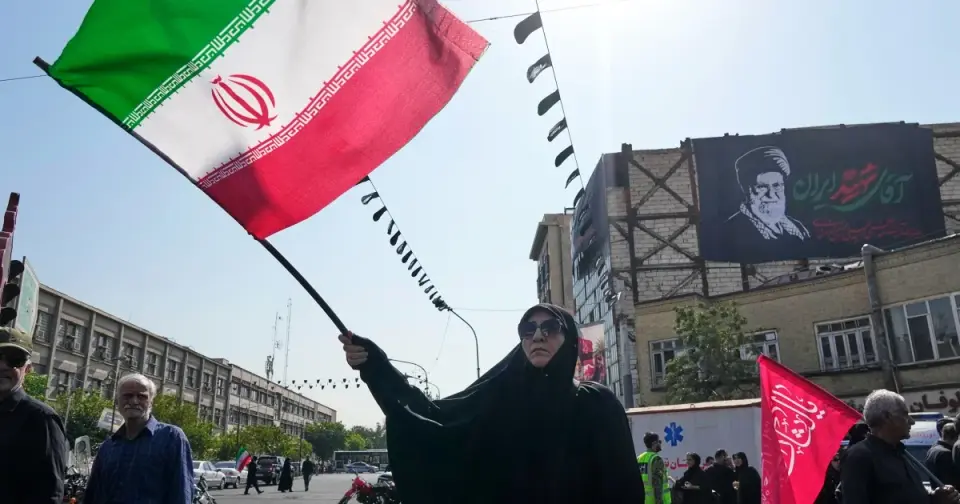
A diplomatic impasse over the Strait of Hormuz persists as the US and Iran trade contradictory claims about ongoing negotiations. While Washington asserts talks are progressing toward a deal, Tehran denies direct dialogue, citing only discussions with Oman. Amid this confusion, a cargo ship was attacked near the strait, and oil prices fluctuated sharply on market uncertainty.
Key points
- President Trump claimed negotiations with Iran were underway and that a deal to reopen the strait could be reached by Tuesday or Wednesday, while Iranian officials denied any direct talks with the US.
- Iranian Foreign Ministry spokesperson Esmaeil Baghaei confirmed positive progress in discussions with Oman regarding safe shipping lanes, emphasizing that these talks respect the sovereign rights of both nations.
- The UK Maritime Trade Operations Centre reported a dry bulk ship was struck by an unknown projectile near Oman’s coast, resulting in the crew abandoning the vessel and one seafarer missing.
- Brent crude oil prices rose 2.7% on Tuesday due to uncertainty, though they had fallen earlier in the week on hopes of a diplomatic breakthrough, reflecting volatile market sentiment.
- The US maintains a blockade on Iranian ports, while Iran seeks control over inbound shipping lanes, a demand Washington rejects in favor of free transit without tolls.
Background
This conflict follows a fragile ceasefire established in June 2026, which collapsed in early July. Previous incidents, including US strikes on Iranian facilities and drone attacks on cargo ships, have repeatedly tested the durability of the memorandum of understanding. The current standoff represents a continuation of the broader US-Israel war on Iran, which began in February 2026.
How outlets are covering it
Outlets diverge significantly on the status of negotiations. NBC News and The Detroit News highlight the contradiction between Trump’s assertion that talks are happening and Iran’s denial, noting that Tehran is only engaging with Oman. Al Jazeera emphasizes the 'positive' progress reported by Iranian officials regarding Omani mediation, while also noting the fragility of the situation. KATU focuses on the US administration’s optimism, citing Treasury Secretary Scott Bessent’s claim that a deal could be reached within days. All sources agree on the recent attack on a cargo ship and the resulting risk to maritime traffic, but they differ on whether the diplomatic channel is open or closed.
Why it matters
The Strait of Hormuz is a critical global chokepoint, normally carrying about 100 ships daily and a fifth of global oil and liquefied natural gas shipments. A prolonged closure or instability in the strait threatens global energy supplies and economic stability. The current diplomatic confusion and military risks could lead to further escalation or a sustained disruption of trade routes, impacting oil prices and international security.
What to watch
Negotiations between the US, Iran, and Oman are expected to continue, with potential for a deal to reopen the strait in the coming days. The US is pushing for free transit without tolls, while Iran seeks control over inbound lanes. Any agreement would likely be linked to lifting the US blockade. The situation remains volatile, with the risk of further attacks on shipping and potential military escalation if talks fail.
- Trump hails talks with Iran as cargo ship struck in Strait of Hormuz NBC News
- Iran war live: Qatar says diplomatic efforts ongoing; vessel hit in Hormuz Al Jazeera
- Status of US-Iran talks uncertain as ship struck in Hormuz The Detroit News
- Greek shipper GasLog says LNG tanker stable after Strait of Hormuz incident Reuters
- Cargo ship reportedly struck in Strait of Hormuz as Trump states US, Iran talks ongoing KATU
Want the full story? Read the original reporting
Read on NBC News