
Trump Abandons Camp David for White House as US Weighs Massive Houthi Strikes
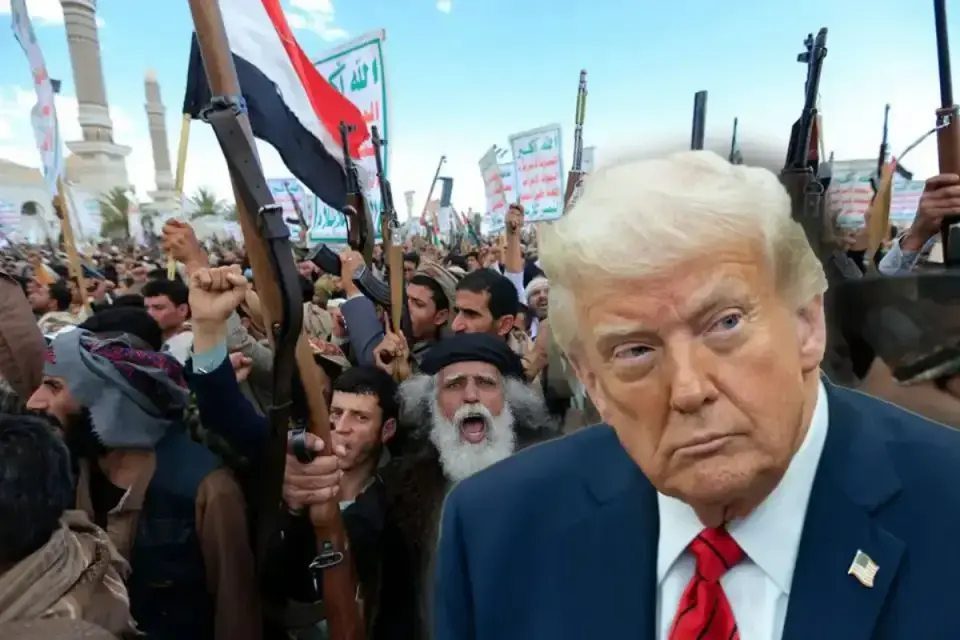
US President Donald Trump cut short his stay at Camp David to return to the White House, while Defense Secretary Pete Hegseth left a Texas event, as Washington prepares for potential wide-ranging military strikes against the Houthis in Yemen. The move follows rebel attacks on Saudi civilian airports, prompting the State Department to issue a rare worldwide travel alert and warn of rapid escalation. Simultaneously, European leaders including those in Finland, France, and Poland have issued warnings regarding potential Russian hybrid threats and incursions.
Key points
- Trump returned to Washington from Camp David, and Hegseth left a college football game in Texas, to coordinate potential US strikes against Ansar Allah (Houthis) in Yemen.
- The US is weighing extensive operations in retaliation for Houthi missile assaults on Saudi Arabia, including attacks on civilian airports.
- The State Department issued a rare worldwide travel alert, warning that the security environment in the Middle East is complex with potential for unforeseen escalation.
- US citizens in the region were advised to monitor flight schedules, prepare for airspace closures, and stock up on food, water, and medications.
- The US Embassy in Jerusalem urged citizens to verify flight statuses at Ben Gurion and Haifa airports and to locate bomb shelters, while noting consular services remain operational.
- European leaders, including Finnish President Alexander Stubb, French President Emmanuel Macron, and Polish PM Donald Tusk, have warned of intensifying Russian hybrid threats and potential incursions.
Background
This escalation follows recent US-Iran tensions and previous US military strategies against cartels, as noted in earlier archive coverage. The current situation highlights the ongoing volatility in the Middle East, where Saudi Arabia has struggled to counter Iranian-backed Yemeni rebels, even approaching Israel to enhance defensive capabilities.
Why it matters
The potential for US military strikes against the Houthis signals a significant escalation in the Middle East, with direct implications for regional stability, US diplomatic missions, and global travel. The concurrent warnings from European leaders regarding Russian threats suggest a broader, multi-front geopolitical crisis that could impact international security and foreign policy priorities.
What to watch
The US is expected to proceed with deliberations on strike options, while the State Department will continue to monitor the situation and update security guidance. European nations are likely to increase defensive postures and diplomatic coordination in response to the heightened Russian threat. The outcome of these developments will determine the next phase of US-Iran-Houthi dynamics and potential broader regional conflicts.
Want the full story? Read the original reporting
Read on www.israelhayom.com