
Trump’s unilateral cut to US-South Korea drills triggers regional security scramble
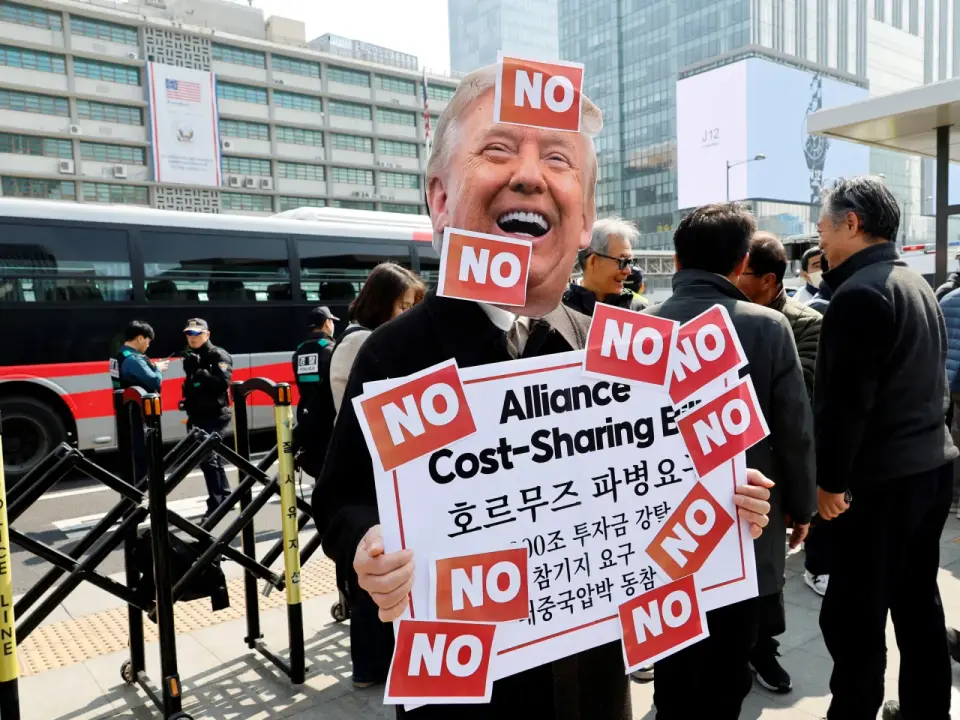
President Donald Trump abruptly ordered a reduction in joint US-South Korea military exercises via social media, citing the need to appease North Korea and criticizing Seoul’s refusal to join the US-Israel war on Iran. The move, which cut the 11-day Ulchi Freedom Shield drills to five days, sparked diplomatic alarm in Seoul and prompted Asian allies to accelerate independent defense strategies. While South Korea sought to manage the fallout through diplomatic channels, North Korea dismissed the gesture as provocative, and regional partners began diversifying security partnerships to reduce reliance on Washington.
Key points
- Trump announced the reduction of joint US-South Korea military exercises on Truth Social, bypassing traditional diplomatic channels and catching Seoul off guard.
- The annual Ulchi Freedom Shield exercises were shortened from 11 days to five, with several field training drills scaled back, after Trump criticized Seoul for not supporting the US war on Iran.
- South Korean President Lee Jae Myung called for strengthened self-reliant defense capabilities while attempting to maintain the alliance, and Foreign Minister Cho Hyun confirmed no advance notice was given by Washington.
- North Korean official Kim Yo-jong dismissed the reduced drills as 'provocative and aggressive' and denied any communication with Washington, contradicting Trump’s claims of a diplomatic overture.
- Asian allies, including Japan and South Korea, are accelerating independent defense spending and forging alternative partnerships to reduce dependence on the US, amid concerns over Washington’s shifting priorities due to the Iran war.
Background
This development follows a series of strains in US alliance networks, including Trump’s criticism of NATO partners and threats to reduce support for countries not cooperating with the Iran conflict. Earlier in August, Trump had already signaled a pullback from Korea drills, warning that the US could not shield allies who refused to participate in the Iran war. The current move is part of a broader pattern of transactional foreign policy that has unsettled traditional partners in Europe and Asia.
How outlets are covering it
Al Jazeera emphasizes the diplomatic shock in Seoul and the debate over the reliability of the US security guarantee, noting public anger and calls for self-reliance. The New York Times highlights North Korea’s dismissal of the move as a failed overture, with Kim Yo-jong denying any contact with Washington. The Washington Post frames the decision as a strategic confusion, arguing that Trump’s focus on the Iran war undermines his own defense strategy in Asia. Politico focuses on the broader regional impact, noting that Asian allies are diversifying defense partnerships and increasing self-reliance due to perceived US disengagement and transactional behavior.
Why it matters
The incident exposes the fragility of long-standing US alliances in Asia, particularly as Washington’s attention is diverted by the Iran conflict. It may accelerate a shift toward independent defense capabilities among US allies, potentially altering the balance of power in the Indo-Pacific and providing Beijing with an opportunity to drive a wedge between Washington and its traditional partners.
What to watch
South Korea is expected to continue diplomatic efforts to restore the full scope of joint exercises, while also pursuing alternative security partnerships. North Korea may continue to test its ballistic missiles, and Asian allies are likely to increase defense spending and diversify military hardware sources. The US may face further scrutiny over its commitment to regional security as the Iran war continues to strain its resources.
- Alarm in South Korea as Iran dispute with Trump shakes a 72-year alliance aljazeera.com
- ‘No Interest’: North Korea Dismisses Reduced U.S. Drills With South Korea The New York Times
- Opinion | Trump inverts his own foreign policy mantra The Washington Post
- Trump’s snub of South Korea sends region scrambling Politico
- South Korea president stresses US alliance as many baffled by Trump order to cut exercises AP News
Want the full story? Read the original reporting
Read on aljazeera.com