
Trump’s Exit Strategy Stalls as Iran Demands War Reparations and Troop Withdrawals
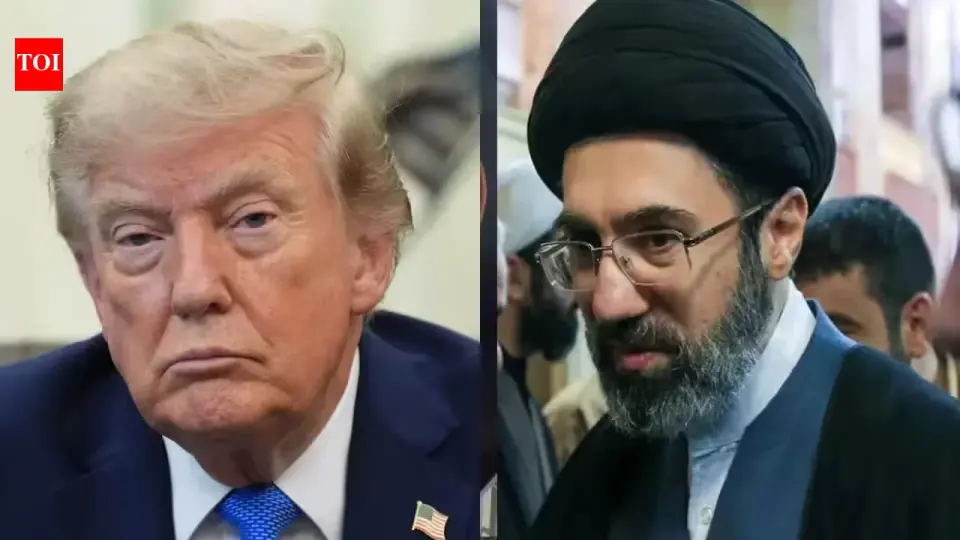
US President Donald Trump is reportedly willing to end the war with Iran without a formal nuclear agreement, but Tehran’s escalating demands for war reparations, troop withdrawals, and the lifting of sanctions are complicating any exit. Iran has linked the reopening of the Strait of Hormuz to these concessions, while the US faces domestic pressure from high gasoline prices and upcoming midterm elections.
Key points
- Trump has privately signaled to aides that he is ready to declare victory and end the conflict without a nuclear deal, focusing instead on the reopening of the Strait of Hormuz.
- Iranian officials, including Supreme National Security Council Secretary Mohammad Bagher Zolghadr, have demanded billions in US payments, the withdrawal of American forces, and the release of frozen assets before the strait reopens.
- The administration believes the destruction of three major Iranian nuclear sites has sufficiently impaired Tehran’s program, reducing the immediate need for a formal nuclear agreement.
- Domestic pressure is mounting as US gasoline prices remain above pre-war levels and midterm elections approach in less than three months.
- Iran has denied direct talks with the US, stating it is negotiating solely with Oman regarding shipping routes and control of the strait.
Background
The conflict began in February 2026, with Iran closing the Strait of Hormuz, which handles a fifth of global oil and LNG supplies. Previous attempts at a ceasefire collapsed after Iranian attacks on shipping, leading to a renewed US naval blockade. Trump has previously declared the nuclear deal dead and has repeatedly threatened major strikes before backing down, a pattern analysts say has eroded trust in US commitments.
How outlets are covering it
The Times of India and the Wall Street Journal emphasize that Trump is seeking a face-saving exit without a nuclear deal, viewing the destruction of nuclear sites as sufficient. Al Jazeera highlights the lack of direct US-Iran talks, noting that Iran is negotiating only with Oman and accusing Trump of 'theater diplomacy.' While the Times of India notes Iran’s demands for reparations, Al Jazeera points out that Iran seeks long-term control and fee-charging rights over the strait, a point the US firmly rejects. Experts cited by Al Jazeera warn that Trump’s pattern of threats and cancellations has degraded the credibility of any potential settlement.
Why it matters
The resolution of the Strait of Hormuz is critical for global energy markets and US domestic politics. A failure to reach a compromise could prolong the conflict, keep gasoline prices high, and strain US military resources in the region, potentially affecting operations in East Asia.
What to watch
Negotiations between Iran and Oman regarding shipping route coordinates are ongoing. If a deal on the strait is reached, broader peace talks may resume, but the US is expected to maintain military options if Iran attacks additional vessels. The administration may eventually lift the naval blockade if Tehran fully reopens the waterway.
- Trump ready to end Iran war without nuclear deal; Tehran's demands complicate exit: Report timesofindia.indiatimes.com
- For Iran, Trump’s Reversal on Escalation Shows Who Has the Upper Hand The New York Times
- US official: We expect a deal soon between Iran and Oman on Strait of Hormuz Reuters
- A deal with Iran over the Strait of Hormuz may require a compromise from Trump AP News
- Trump says war ‘can’t go much longer’ – what’s the latest on talks? Al Jazeera
Want the full story? Read the original reporting
Read on timesofindia.indiatimes.com