
Trump’s Sudden Cut to Korea Drills Risks Alliance Stability Amid Iran War
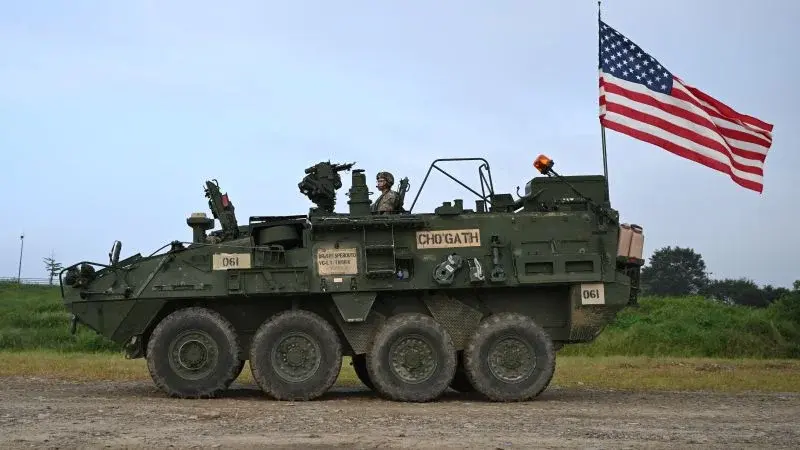
President Donald Trump ordered a significant reduction in joint military exercises with South Korea, citing his relationship with North Korean leader Kim Jong Un and the cost of the drills. The annual Ulchi Freedom Shield exercises, which involve tens of thousands of troops, were cut short by six days, ending on August 21 instead of August 27. While Washington claims this preserves essential readiness, Seoul and analysts argue the move undermines deterrence and delays South Korea’s goal of assuming wartime operational control by 2030. The decision coincides with the redeployment of the USS George Washington carrier to the Middle East for the Iran conflict, raising concerns about US strategic focus in Asia.
Key points
- Trump ordered Defense Secretary Pete Hegseth to substantially reduce joint drills, calling them 'hostile' to North Korea.
- Ulchi Freedom Shield exercises were cut from 11 days to 5 days, with some live training converted to simulations.
- South Korean President Lee Jae Myung emphasized Seoul’s capability to defend itself and pushed for earlier transfer of wartime operational control.
- The USS George Washington carrier was redeployed from the Pacific to the Middle East, straining US resources in Asia.
- North Korea’s state media rejected the gesture, maintaining that its self-defense rights remain unchanged.
Background
This development follows Trump’s first-term efforts to engage Kim Jong Un, which collapsed in 2019. In 2025, South Korean President Lee Jae Myung campaigned on bringing wartime operational control back to Seoul by 2030, a goal supported by the US National Defense Strategy. Recent tensions include North Korea’s expanded nuclear capabilities and closer ties with Russia and China, as well as US involvement in the Iran conflict.
How outlets are covering it
CNN and The Washington Post argue that Trump’s move undermines US credibility and delays South Korea’s defense autonomy, prioritizing North Korea over a treaty ally. NBC News highlights the lack of prior consultation between Washington and Seoul, noting that neither government had advance knowledge of the order. Politico suggests the security impact is limited due to existing troop levels and air defenses, but lawmakers like Sen. Jack Reed criticize the optics of abandoning allies. Trump maintains the move makes the region safer, while analysts like Leif-Eric Easley doubt the diplomatic benefits for North Korea relations.
Why it matters
The decision tests the resilience of the US-South Korea alliance and signals potential shifts in US strategic priorities. It may embolden North Korea and complicate denuclearization efforts, while also raising questions about US commitment to Asian allies amid the Iran conflict. The move could influence future defense budgets and burden-sharing negotiations, potentially affecting regional stability and deterrence against North Korea.
What to watch
US and South Korean officials are consulting on specific adjustments to the exercises and future combined defense posture. South Korea is expected to accelerate its independent defense capabilities, including nuclear-powered submarine programs. Congress may extend restrictions on reducing US troop levels in Korea below 28,500 in the 2027 National Defense Authorization Act. Trump may seek further dialogue with Kim Jong Un, though North Korea has not publicly responded to the curtailment.
- Trump wants South Korea to defend itself. His overtures to Kim Jong Un could delay that. CNN
- Opinion | Trump inverts his own foreign policy mantra The Washington Post
- U.S. military drills with South Korea are cut short after surprise Trump order NBC News
- Trump’s threats to Seoul may be worse than their bite Politico
- After Trump Decree, U.S., South Korea Pare Back Drills That Angered Kim Jong Un wsj.com
Want the full story? Read the original reporting
Read on CNN