
UAE Halts Iranian Flights as US Sanctions Force Regional Aviation Isolation
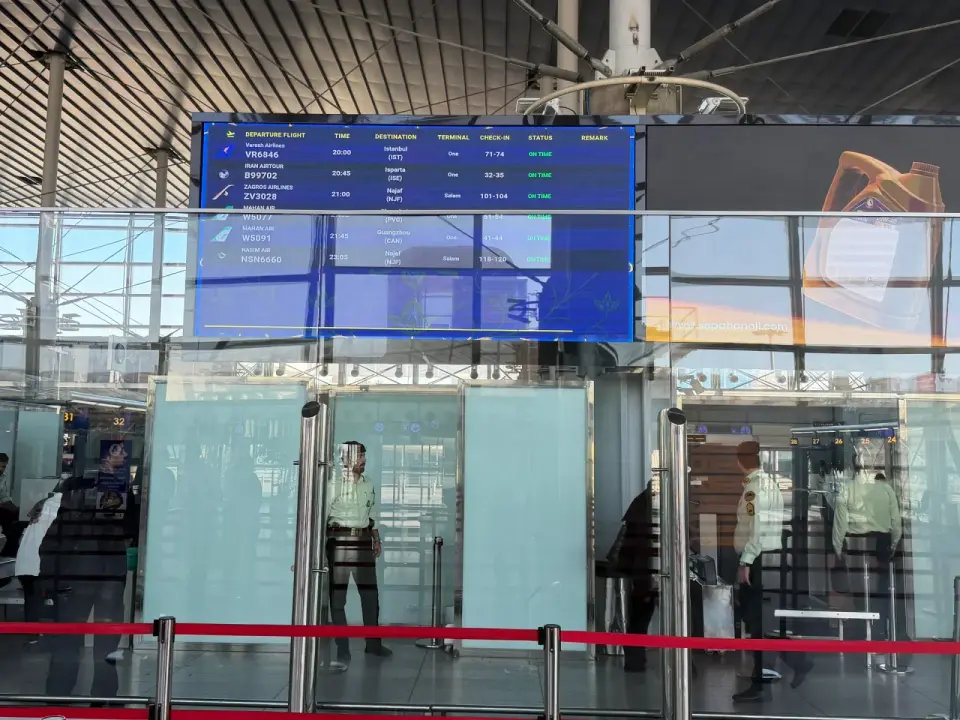
The United Arab Emirates has suspended all flights operated by Iranian airlines, joining a growing list of nations enforcing US sanctions that threaten to ground Tehran’s civil aviation sector globally. This move follows Washington’s recent expansion of penalties to target third-country entities doing business with Iran, effectively cutting off dollar access for carriers like Mahan Air and Iran Air. While the UAE cited compliance with US rules, Iran warned that such restrictions could lead to broader regional escalation, including threats to airport infrastructure in cooperating states. The suspension marks a significant shift in regional dynamics, as Gulf states prioritize economic pressure over diplomatic de-escalation, despite ongoing mediation efforts to reopen the Strait of Hormuz.
Key points
- The UAE’s General Civil Aviation Authority suspended all Iranian airline flights on September 24, citing US sanctions that prevent Iranian carriers from using global airports.
- The UAE joins Oman, Iraq, Azerbaijan, Georgia, and Turkmenistan in restricting Iranian aviation access, while China and Armenia have resisted US pressure to maintain flights.
- US Treasury sanctions, effective September 23, target 27 Iranian airlines and support companies, warning that any entity servicing them risks losing access to the US dollar system.
- Iran’s Civil Aviation Organization stated diplomatic talks are underway to restore flights, but warned that regional airports cooperating with the ban could face retaliation.
- Saudi Arabia and the UAE are urging the US to maintain its naval blockade and sanctions, arguing that Iran’s attacks on shipping and Houthi actions in the Red Sea undermine diplomatic confidence.
Background
This development follows a series of US sanctions expansions in September 2026, including the targeting of Mahan Air and related entities on September 9, and warnings from Treasury Secretary Scott Bessent on September 22 that Iranian airlines could be shut out of international operations by September 23. Earlier in August, the US Treasury revoked dollar access for Banque Misr UAE over its links to Iran, part of a broader 'Operation Economic Outcast' to disrupt Iran’s shadow banking networks. The current aviation suspension is the first major impact of the US shift toward secondary sanctions, targeting companies in third countries that do business with Iran.
How outlets are covering it
Al Jazeera emphasizes the UAE’s decision as part of a broader regional enforcement of US sanctions, noting that Dubai is a major hub for Iranian carriers and that the UAE had already suspended trade and financial exchanges with Iran last month. The Jerusalem Post highlights the immediate impact on travel, noting that flights to Gulf states were removed from Tehran’s airport schedules, and frames the move as a deepening of Iran’s isolation amid an existing naval blockade. Iran International provides a broader geopolitical context, noting that Saudi Arabia and the UAE are urging the US to maintain pressure, while Oman and Qatar favor a phased reopening of the Strait of Hormuz. Iran International also reports that Iranian officials, including IRGC spokesman Hossein Mohebbi and military adviser Yahya Rahim Safavi, have warned that the conflict could expand to the Indian Ocean and Red Sea, with threats to make regional airports 'unusable' if they cooperate with the US ban. The sources agree on the immediate suspension of flights but differ in emphasis: Al Jazeera and the Jerusalem Post focus on the aviation and economic impact, while Iran International contextualizes the move within the broader war and diplomatic stalemate, highlighting the risk of horizontal escalation.
Why it matters
The suspension of Iranian flights by the UAE and other Gulf states marks a critical escalation in the US-led economic pressure campaign against Iran, potentially isolating Tehran’s aviation sector and deepening its economic crisis. This move could disrupt travel for millions of Iranians and Gulf residents, while also signaling a shift in regional alliances, with Gulf states prioritizing US sanctions over diplomatic de-escalation. The risk of Iranian retaliation, including threats to regional airports and expansion of the conflict to the Red Sea and Indian Ocean, raises the possibility of broader regional instability. Additionally, the suspension underscores the effectiveness of US secondary sanctions in forcing third-country compliance, potentially setting a precedent for future enforcement against other sanctioned entities.
What to watch
Diplomatic talks between Iran and the UAE are underway to restore flights, but success is uncertain given the US insistence on maintaining sanctions. Iran may retaliate by closing its airspace or targeting regional airports, as warned by officials. Mediation efforts by Qatar and Oman to reopen the Strait of Hormuz and wind down the war may continue, but US officials have stated that President Trump has no intention of lifting the maritime embargo. The situation could lead to further economic isolation for Iran, with potential impacts on global energy supplies and regional stability. Hardliners in Iran may reject new negotiating formulas, favoring a prolonged war, while Washington believes sustained economic pressure will force Tehran to accept terms more favorable to the US and its Gulf partners.
- UAE bars Iranian airlines as US sanctions squeeze Iran’s aviation sector Al Jazeera
- Three Iraqi airports suspend Iranian flights starting Friday, sources and state media say Reuters
- The Morning Risk Report: Squeezed at Sea, Iran Faces New Restrictions on Its Flights WSJ
- Iran threatens regional air travel as US sanctions cut its flight links Iran International
- UAE, Oman suspend Iranian airlines' flights until further notice, decision based on US sanctions The Jerusalem Post
Want the full story? Read the original reporting
Read on Al Jazeera