
Houthi Strikes on Saudi Airports Kill Three as Leader Vows Prolonged Conflict
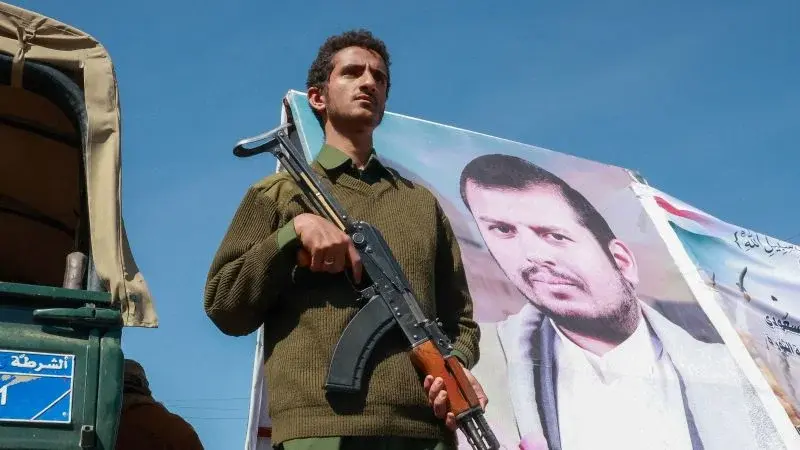
Iran-backed Houthis launched missile attacks on Saudi airports, killing three and injuring dozens. Houthi leader Abdul Malik al-Houthi warned of a long conflict, while Saudi Arabia intercepted incoming missiles and launched counter-strikes in Yemen. The escalation has driven oil prices higher and prompted US travel warnings.
Key points
- Three Saudi nationals were killed and several others injured in attacks on King Khalid International Airport in Riyadh on Thursday, following earlier strikes on Tuesday and Wednesday that left three dead and 36 wounded.
- Houthi leader Abdul Malik al-Houthi vowed to continue attacking Saudi targets, stating his group has the resolve to withstand a lengthy war against Saudi-backed forces in Yemen.
- Saudi authorities intercepted two ballistic missiles aimed at Riyadh, with falling debris damaging a kindergarten and a medical clinic. Hundreds of flights were cancelled or delayed across the kingdom.
- The US Mission in Saudi Arabia warned citizens to exercise heightened vigilance, noting the potential for escalation and travel disruptions, while restricting government employee travel near the Yemen border.
- Oil prices rose sharply, with Brent crude increasing by more than 5 percent, as concerns grew over the widening conflict and risks to shipping routes.
Background
This escalation follows a collapse of the US-Iran ceasefire in July 2026, which intensified Houthi attacks on Saudi oil facilities and shipping routes. In September, Saudi officials accused the Houthis of an attempted attack near Mecca and sought regional diplomacy, while Iraq investigated Iran-backed militias for a pipeline attack. The current violence marks a significant step up from previous drone strikes, with the Houthis now targeting major civilian infrastructure in the Saudi capital.
How outlets are covering it
CNN and The New York Times both report on the deadly strikes on Riyadh and Abha airports, emphasizing the humanitarian impact and the Houthi leader's warning of a prolonged conflict. Al Jazeera provides broader context on the US-Iran war, noting that President Trump pledged not to attack Iran before the November elections and that Iran claims its weapons production has tripled. While CNN focuses on the immediate casualties and US travel warnings, Al Jazeera highlights the economic fallout, including new US sanctions on Iranian oil enablers and rising oil prices. The New York Times notes the mass cancellations of flights and the strain on energy markets, aligning with the broader narrative of a widening regional conflict.
Why it matters
The attacks on Saudi civilian infrastructure signal a dangerous escalation in the Yemen conflict, with potential for wider regional involvement. The Houthi leader's vow of a long conflict suggests that diplomatic solutions may be distant, while the rise in oil prices and US travel warnings indicate significant economic and security implications for the region and global markets.
What to watch
Saudi Arabia is expected to continue its airstrikes and support for Yemeni government forces in Operation 'Dawn of Yemen.' The Houthis have warned of further attacks on Saudi oil facilities and airports. The US is likely to maintain its intelligence support and sanctions pressure on Iran, while monitoring the situation for potential escalation. Oil prices may remain volatile as the conflict continues to threaten shipping routes and energy supplies.
- Explosions heard in Saudi capital as Riyadh airport is reported closed CNN
- Saudi-led coalition says 2 Houthi missiles aimed at Riyadh intercepted Al Jazeera
- Plane billows smoke at Riyadh airport as Houthis escalate attacks Reuters
- Blasts Rattle Riyadh as Saudi Arabia Hit by Deadliest Houthi Attacks So Far The New York Times
- Houthi Attacks Kill Three at Saudi Airports, Including in Riyadh Bloomberg.com
Want the full story? Read the original reporting
Read on CNN