
Ukraine Presses EU for Rosatom Sanctions After El Dabaa Safety Report
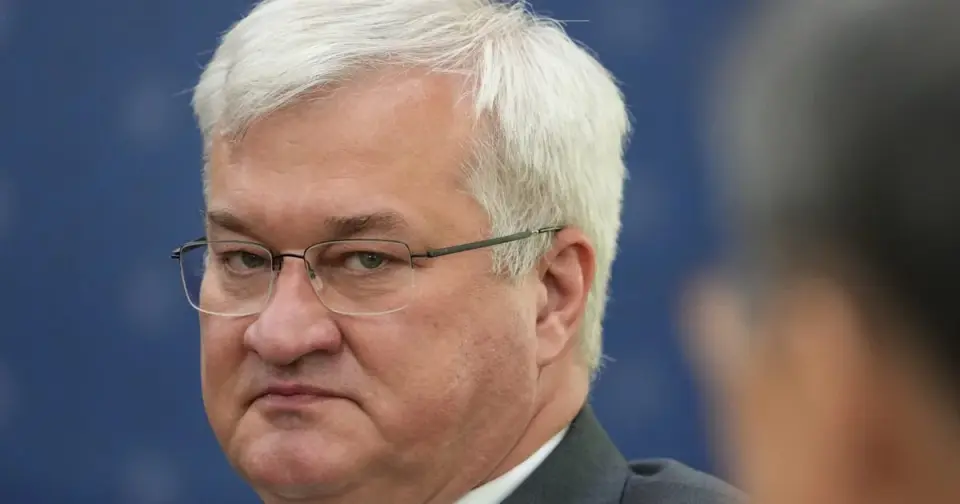
Ukraine’s foreign minister urged the EU to sanction Russian nuclear giant Rosatom, citing a POLITICO investigation into safety failures at the El Dabaa plant in Egypt. Kyiv argues the company is a tool for Russian geopolitical dominance and complicit in war crimes, while Rosatom denies the allegations. The move pressures EU members, particularly Hungary, which continues to build reactors with Rosatom despite ongoing reviews.
Key points
- Andrii Sybiha called for EU sanctions on Rosatom, labeling it an instrument of Russian ambition rather than a standard energy firm.
- A POLITICO investigation revealed internal documents from Egyptian authorities alleging 'deliberate negligence' and safety violations at the El Dabaa nuclear plant.
- Rosatom denied the claims, stating that no allegations were confirmed within technical oversight procedures and that nuclear material has not yet been introduced at the site.
- Hungary is currently reviewing its Paks II nuclear project, which uses the same VVER-1200 technology as the disputed Egyptian plant.
- Sybiha linked Rosatom’s activities to the occupation of the Zaporizhzhia Nuclear Power Plant, accusing the company of involvement in the detention of plant employees.
Background
This call for sanctions follows a period of heightened tension regarding Russian nuclear infrastructure. In August 2026, Ukrainian forces sank a Rosatom-linked cargo ship in the Black Sea, and President Zelenskyy previously urged partners to intensify sanctions on war-funding enterprises. The current push builds on earlier warnings about Russia’s nuclear safety record and its expanding global footprint, which includes approximately 20 power units under construction or negotiation across multiple continents.
How outlets are covering it
POLITICO emphasizes the technical and contractual failures at El Dabaa, highlighting specific issues like concrete quality and management delays, while noting Rosatom’s defense of its safety record. LIGA.net frames the issue through a broader geopolitical lens, focusing on Rosatom’s role as a vehicle for Kremlin influence and its alleged complicity in war crimes, specifically regarding the Zaporizhzhia plant. While both outlets agree on the call for sanctions, LIGA.net places greater weight on the moral and security implications for Europe, whereas POLITICO focuses on the engineering and regulatory breakdowns that triggered the diplomatic response.
Why it matters
The potential imposition of EU sanctions on Rosatom could disrupt major nuclear projects in Europe, particularly in Hungary, and signal a shift in EU policy toward decoupling from Russian nuclear technology. It also raises questions about the integrity of international nuclear safety standards and the extent to which geopolitical alliances influence energy infrastructure decisions.
What to watch
EU governments are expected to debate the merits of sanctions in the coming weeks, with Hungary’s review of the Paks II project serving as a key indicator of potential policy shifts. Rosatom may face increased scrutiny from the International Atomic Energy Agency, and further diplomatic pressure from Kyiv is likely as the El Dabaa construction continues.
- Ukraine urges EU sanctions on Rosatom over allegations of nuclear safety violations politico.eu
- ‘Deliberate negligence’: Russian nuclear power company with EU operations accused of violating safety standards politico.eu
- Ukraine urges EU to finally sanction Russia's nuclear giant Rosatom after new safety failures The Kyiv Independent
- Egypt says El Dabaa plant meets global safety standards Egyptian Gazette
- Sybiha called for sanctions against Rosatom following a Politico investigation news.liga.net
Want the full story? Read the original reporting
Read on politico.eu