
Leipzig Drone Probe: US Blames GRU, Germany Weighs Retaliation
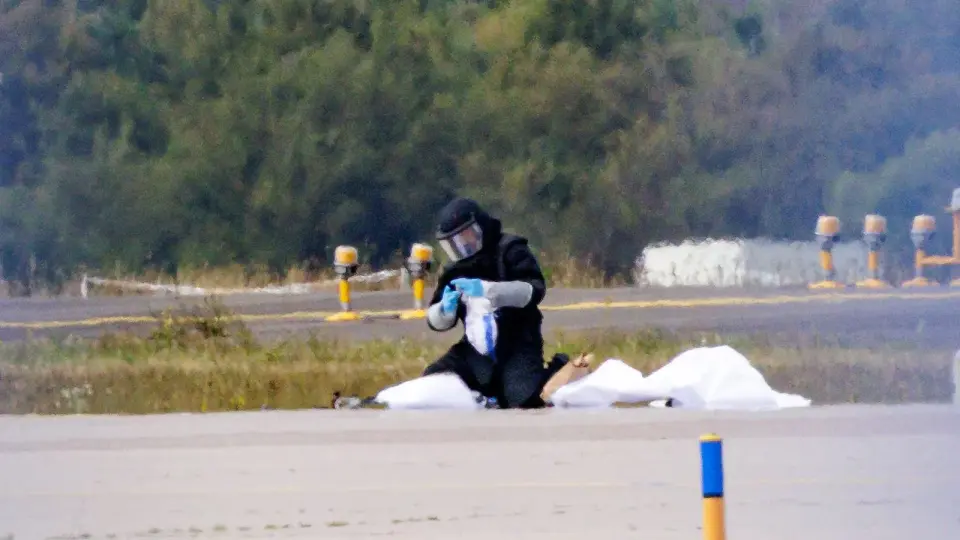
A series of drone incidents at Leipzig/Halle Airport in Germany, including an explosive device found near a Ukrainian cargo plane on August 4, has triggered a major security investigation. While the explosives failed to detonate, US intelligence attributes the devices to Russia's GRU. German Chancellor Friedrich Merz has vowed that attackers will 'pay a price' and is considering retaliatory cyber measures, though Berlin has not officially blamed Moscow, which denies involvement.
Key points
- On August 4, an explosive drone was found near a Ukrainian Antonov cargo plane at Leipzig/Halle Airport; the device failed to detonate because its triggering mechanism was disconnected.
- US intelligence sources told ABC News that the drone’s structure and explosives were 'typical' of those used by Russia's Military Intelligence Directorate (GRU), a view shared with German security agencies.
- A second drone reportedly collided with a DHL cargo plane, causing tail damage, while a third drone with suspected hexogen explosives was found in a field near the airport on August 14.
- Chancellor Friedrich Merz stated that Germany is 'increasingly becoming a target' for hybrid attackers and promised that the government would soon release findings on the perpetrators.
- Merz indicated Germany is considering measures to 'strike back' against attackers, potentially including hacking their computer servers, while reaffirming support for Ukraine.
Background
This incident follows a pattern of drone activity over German military bases and infrastructure since January 2026, with 18 incidents reported at Leipzig alone. Earlier coverage noted that US intelligence had already pointed to Russia in the initial August 4 attack, prompting Berlin to bolster anti-drone defenses while avoiding direct public accusations to maintain diplomatic channels.
How outlets are covering it
ABC News and The Washington Post emphasize the US intelligence assessment linking the devices to the GRU, noting the technical expertise involved. The Guardian highlights the discovery of a third drone and military explosives, suggesting a larger planned attack than initially realized. BBC focuses on Chancellor Merz's political response, specifically his warning that attackers will 'pay a price' and his commitment to maintaining support for Ukraine despite the threat. Russia's Foreign Intelligence Service (SVR) rejected the accusations, claiming German politicians reached 'equivocal conclusions' without waiting for preliminary investigation results.
Why it matters
The Leipzig incidents signal a shift in hybrid warfare tactics, targeting NATO logistics hubs to disrupt aid to Ukraine. The potential for German retaliatory cyber operations and the explicit US attribution to Russian military intelligence could escalate tensions between Moscow and the West, while forcing Europe to redefine its defensive posture against non-kinetic threats.
What to watch
German authorities are expected to release official findings on the perpetrators 'shortly,' as promised by Chancellor Merz. Berlin is also moving to implement stronger drone defenses and empower security services to conduct counter-strikes against hostile actors, both domestically and abroad.
- Explosive drone at German airport linked to Russian military intelligence, US intel source says ABC News - Breaking News, Latest News and Videos
- Europe eyes Russia in attacks on weapons and cargo. But Germany treads lightly. The Washington Post
- Third drone and suspected military explosives found near Leipzig airport The Guardian
- Germany's Merz warns attackers will 'pay price' after drone incident BBC
- French security chief sees new threats after Leipzig drone attack Reuters
Want the full story? Read the original reporting
Read on ABC News - Breaking News, Latest News and Videos