
US Orders Diplomatic Withdrawal from Saudi Arabia as Houthi Strikes Escalate
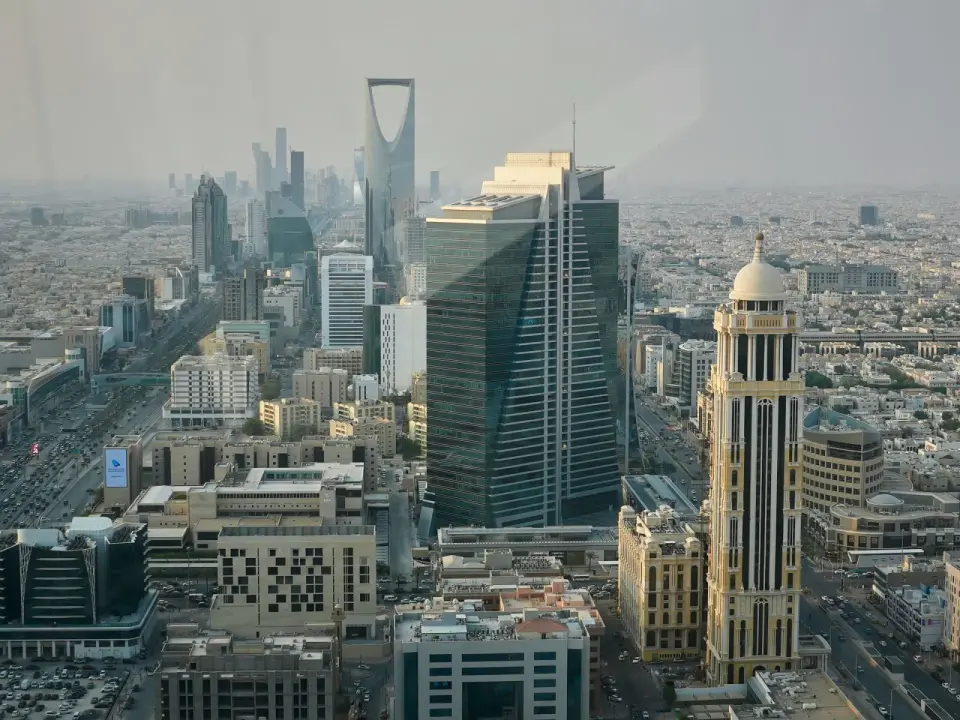
The US State Department has ordered the departure of non-emergency personnel and family members from its embassy in Riyadh, citing escalating Houthi attacks on Saudi infrastructure. This move coincides with quiet military drawdowns across the region and rising oil prices, as Washington weighs potential strikes on Iran following the November 3 midterm elections.
Key points
- The US State Department ordered non-emergency employees and family members to leave Saudi Arabia, with the embassy in Riyadh now operating on emergency staff only.
- State Department spokesperson Tommy Pigott cited 'increasingly engaged in hostilities' by Iran-aligned Houhits, including attacks on civilian airports and critical infrastructure.
- Recent Houthi strikes killed at least three people and injured others at King Fahd International Airport in Dammam and the Shaybah oil field, with Houthis claiming responsibility.
- US and Israeli militaries are planning a 'short but intensive' operation against Iran, potentially targeting energy and nuclear facilities, though President Trump has not yet approved the strikes.
- Brent crude prices topped $110 per barrel amid fears of further regional escalation, while China’s oil inventories are being drawn down at record rates.
Background
This development follows a broader pattern of US force reduction in the Middle East since the late February US-Israeli war on Iran. In October 2026, Saudi Arabia postponed its Future Investment Initiative conference due to security concerns, and Iran issued defiant warnings against US threats. Earlier in the month, President Trump expressed noncommittal views on joining Saudi military campaigns against the Houhits, while regional allies like the UK and Egypt pledged support to Riyadh.
How outlets are covering it
Al Jazeera and CNN focus primarily on the diplomatic withdrawal and the immediate threat posed by Houthi attacks on Saudi civilian infrastructure, emphasizing the State Department's security alerts. CNBC and NBC News broaden the scope, linking the Saudi withdrawal to a wider regional drawdown of US military presence and highlighting the strategic calculus behind potential renewed strikes on Iran. While Al Jazeera notes the order applies specifically to Saudi Arabia, NBC and CNN report that family members are being withdrawn from other Gulf missions. CNBC uniquely details the economic fallout, noting that despite shipping disruptions, Middle East oil flows have recovered near pre-war levels, yet China’s rapid inventory drawdown is driving prices higher. All sources agree that the situation is driven by Houthi escalation, but they differ in emphasis: some view it as a localized security response, while others frame it as part of a larger, impending confrontation with Iran.
Why it matters
The US withdrawal signals a significant shift in Washington's posture in the Gulf, prioritizing personnel safety over diplomatic presence amid a volatile security environment. The concurrent planning for strikes on Iran suggests the conflict may expand beyond Yemen, potentially destabilizing global energy markets and forcing further realignments in Middle Eastern alliances. For Saudi Arabia, the US pullback may accelerate its reliance on other partners, such as the UK and Egypt, for defense support.
What to watch
Watch for the outcome of US-Iran negotiations on nuclear issues and the Strait of Hormuz. Monitor whether President Trump approves the planned 'short but intensive' strikes on Iran after the November 3 midterms. Track further Houthi attacks on Saudi infrastructure and any subsequent US military responses, as well as potential shifts in oil prices driven by Chinese demand and inventory levels.
- US orders departure of personnel from Saudi Arabia, citing Houthi threat Al Jazeera
- U.S. pulls diplomats from Saudi Arabia as it reportedly readies Iran strikes after midterms CNBC
- US pulls personnel from Saudi Arabia as kingdom comes under Houthi fire Fox News
- U.S. troops and diplomats evacuating Middle East posts, sources say NBC News
- US orders departure of some embassy staff and families from Saudi Arabia amid Houthi threat CNN
Want the full story? Read the original reporting
Read on Al Jazeera