
Kremlin Envoy Warns Russia's Economy Risks 'Berserk' Collapse Under War Pressure
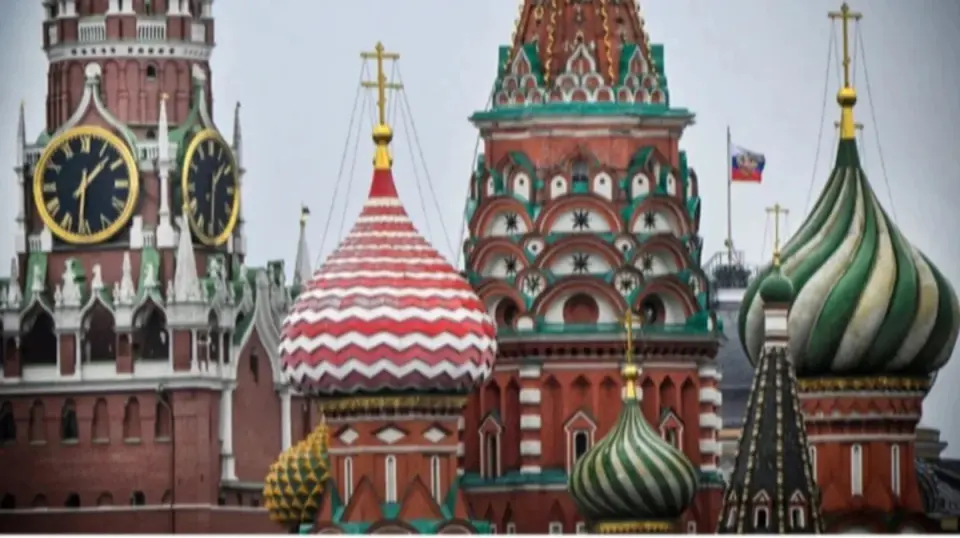
Boris Titov, a high-ranking Russian envoy, warned that the Russian economy risks spiraling out of control if it shifts entirely to a military footing. He described such a shift as a temporary 'berserk mode' that could destabilize the broader economy. This rare public concern from Kremlin circles highlights growing tensions between war hawks and technocrats over the sustainability of current fiscal policies.
Key points
- Boris Titov, Putin's special representative for international development, stated in an interview with RBC that focusing solely on the military-industrial complex could cause the economy to spiral out of control.
- Titov described a full military economy as a 'berserk mode' that is unsustainable and should be approached with extreme caution, emphasizing the need for balance between military and civilian sectors.
- Russia's economy is projected to grow by only 0.4% in 2026, with non-military sectors stagnating or contracting due to high taxes, property redistribution, and demands for business contributions to fund the war.
- Ukrainian strikes on oil refineries, online retailers, and export infrastructure threaten to further reduce economic growth, adding pressure to an already strained system.
- Titov's comments echo concerns from Moscow Mayor Sergei Sobyanin, who argued that killing the normal economy is equivalent to killing the country, and follow the firing of VEB chief economist Andrei Klepach for similar warnings.
Background
This warning comes amid a broader debate in Russia over shifting to a 'war footing.' In August 2026, Andrei Klepach, chief economist at the state development bank VEB, was fired after publicly warning that Russia could not win a protracted war economically and faced a social crisis. Additionally, in July 2026, the Kremlin considered a rescue package for the online retailer Wildberries after Ukrainian drone strikes on its warehouses, highlighting the war's spillover into Russia's banking and retail sectors. These events underscore the mounting strain on Russia's economy from wartime spending and sanctions.
How outlets are covering it
Ukrainska Pravda and TVP World emphasize Titov's warning as a rare sign of concern within Kremlin circles, highlighting the risk of economic destabilization if the military-industrial complex dominates. Meduza provides a contrasting view from former Finance Minister Mikhail Zadornov, who argued that a military economy is 'pure fantasy' and impossible to implement overnight, noting that Russia's market economy has adapted to shocks, with federal budget spending rising 75% in nominal terms since 2022. Crypto Briefing focuses on the market implications, noting that Titov's warning has decreased the perceived likelihood of a ceasefire by the end of 2026, reflecting broader fiscal instability concerns.
Why it matters
Titov's warning signals a potential shift in Russian economic policy or internal dissent over the sustainability of war spending. If the economy cannot balance military and civilian needs, it could lead to broader social and economic crises, impacting Russia's ability to sustain its war effort and influencing global market perceptions of the conflict's duration.
What to watch
Observers should monitor official statements from the Kremlin regarding economic policy adjustments or military strategy shifts. The upcoming parliamentary election in Russia and any changes in the military situation on the ground in Ukraine may further affect market views on the conflict's trajectory and the sustainability of Russia's economic model.
- Kremlin official says Russian economy could spiral out of control – Reuters Українська правда
- Russia doesn’t need a military economy, it’s a ‘complete breakdown of the system,’ says former Finance Minister Mikhail Zadornov Meduza
- Putin envoy warns of Russian economy going 'berserk' on war footing TradingView
- Putin envoy warns Russian economy may destabilize amid Ukraine conflict Crypto Briefing
- Putin envoy warns Russian economy could go 'berserk' TVP World
Want the full story? Read the original reporting
Read on Українська правда