
Xi Snubs Takaichi at APEC Amid Rare Earth Dispute
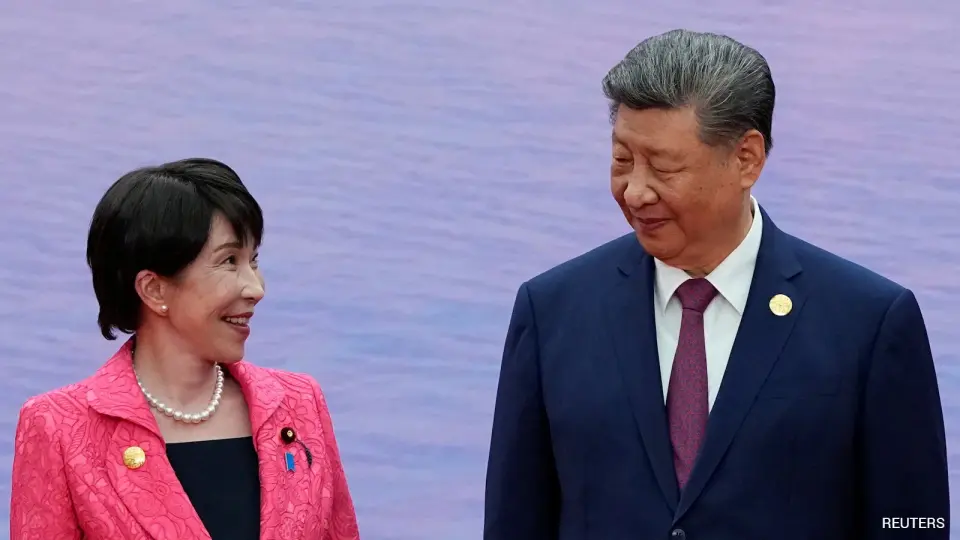
Japanese Prime Minister Sanae Takaichi received a deliberately cold reception at the APEC summit in Shenzhen, marked by a lack of formal meetings with Chinese President Xi Jinping and a downgrade in protocol. Beijing’s frosty stance stems from Takaichi’s 2025 remarks linking a Taiwan crisis to Japan’s self-defense forces, which Beijing condemned as dangerous. While Takaichi attempted informal dialogue, Xi refused a formal meeting, and China continues to restrict rare earth exports to Japan. The diplomatic chill contrasts sharply with the warm welcomes given to other leaders, including Donald Trump and Vladimir Putin, highlighting the severity of the current Japan-China rift.
Key points
- Takaichi was met by a retired diplomat rather than a serving official, and placed in the back row of group photos, signaling a downgrade in status.
- Xi Jinping refused a formal bilateral meeting with Takaichi, though they exchanged handshakes twice during the summit.
- China’s foreign ministry demanded Japan 'correct its wrong words' on Taiwan, referencing Takaichi’s 2025 comments on potential military intervention.
- Beijing has maintained restrictions on rare earth and dual-use exports to Japan, impacting Japanese industries, while also warning citizens against travel to Japan.
- Takaichi held her first face-to-face talks with Vladimir Putin since becoming prime minister, discussing the detention of a Japanese journalist in Russia.
Background
This diplomatic friction follows Takaichi’s November 2025 remarks suggesting Japan might intervene militarily if China attempted to take Taiwan by force. Beijing reacted with trade restrictions and travel warnings, leading to a year of minimal high-level contact. The current APEC summit marks the first trip to China by a Japanese prime minister since Shinzo Abe’s visit in 2019, underscoring the depth of the current diplomatic chill.
How outlets are covering it
NDTV emphasizes Beijing’s demand for Japan to 'correct its wrong words' and change its attitude, framing the snub as a direct response to Takaichi’s Taiwan stance. CNBC highlights the protocol details, such as the low-key airport reception and group photo placement, as signals of Beijing’s limited appetite for repairing ties. The Guardian notes the stark contrast in hospitality, with other leaders receiving military bands and senior officials, while Takaichi was met by a junior official. The New York Times focuses on the symbolic choice of playing 'Sukiyaki' for Takaichi, a song linked to anti-US military protests, suggesting a subtle message from Beijing. Analysts across outlets agree that the relationship remains strained, with some predicting it will stay cold until Takaichi leaves office.
Why it matters
The diplomatic chill between Japan and China has tangible economic consequences, particularly through China’s restrictions on rare earth exports, which are critical for Japanese industries. The lack of high-level dialogue risks prolonging these trade barriers and could impact broader regional stability, especially as Japan navigates its security posture in the Asia-Pacific. The incident also highlights the fragility of diplomatic relations in the region, where protocol and symbolic gestures carry significant political weight.
What to watch
Japan may continue to seek dialogue with Beijing, but progress is unlikely unless Takaichi addresses Beijing’s demands regarding her Taiwan remarks. China is expected to maintain its export restrictions and travel warnings, potentially impacting Japanese industries further. The diplomatic chill could persist until Takaichi leaves office, according to some analysts, unless a significant shift in Japan’s stance occurs. Regional tensions may also escalate if China increases military pressure near Taiwan, prompting further responses from Japan and its allies.
- Xi Declines To Meet Japanese PM, Then Comes China's "Attitude" Advice NDTV
- Takaichi gets chilly reception in China on first Japan leader visit since 2019 CNBC
- China gives Japan PM frosty welcome at Apec amid fanfare for other leaders The Guardian
- Japan's position on Taiwan has not changed, PM Takaichi says Reuters
- Was China Sending a Musical Message to Japan’s Takaichi During APEC Welcome? The New York Times
Want the full story? Read the original reporting
Read on NDTV