
Yemeni forces retake Red Sea port of Mokha as Saudi, Turkey, and Pakistan pledge joint deterrence
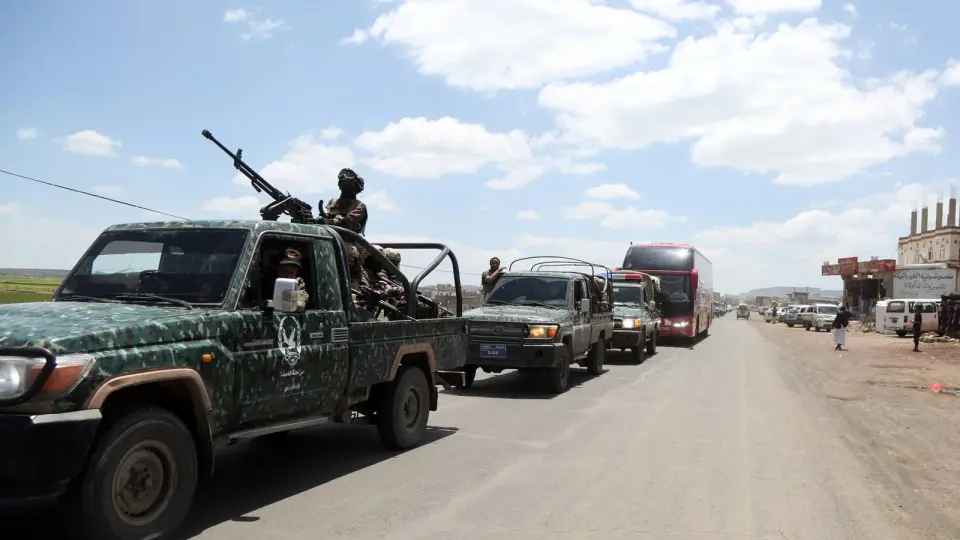
Saudi-backed Yemeni forces claim to have recaptured the strategic Red Sea port of Mokha from the Houthis in a rapid offensive, while Riyadh, Ankara, and Islamabad agreed to deploy troops and activate deterrence measures following Houthi attacks on two Saudi airports. Brent crude remains near $100 per barrel as markets brace for further Middle East supply disruptions.
Key points
- Yemeni government forces announced the recapture of the port city of Mokha and key coastal locations near the Bab el-Mandeb Strait, describing the advance as a 'lightning' operation following fierce battles.
- The Saudi-led government also claimed to have launched a 'strategic offensive' on the Houthi-held capital of Sanaa, though the Houthis denied losing Mokha and independent verification of the claims is currently unavailable.
- Saudi Arabia, Turkey, and Pakistan agreed to activate 'deterrence measures' and deploy forces after Houthi attacks targeted airports in Jazan and Najran, injuring three people and causing limited damage.
- Brent crude futures traded at $100.12 per barrel, with analysts noting that market nervousness over potential supply disruptions will persist until a US-Iran deal is reached.
- The conflict in Yemen is part of a broader Middle East escalation that began with US and Israeli strikes on Iran in late February, with Iran's closure of the Strait of Hormuz already impacting global energy markets.
Background
In early September 2026, the Houthis seized Mokha and Perim Island, bringing them within 75 kilometers of the Bab al-Mandeb Strait and causing Red Sea shipping traffic to drop by approximately 60%. This move was viewed as a major strategic blow to Saudi Arabia and prompted regional powers to pledge deterrence while the UN warned of potential spillover effects and called for stronger sanctions against the militia.
How outlets are covering it
CNBC emphasizes the military and diplomatic dimensions, highlighting the joint 'deterrence measures' agreed upon by Saudi Arabia, Turkey, and Pakistan, as well as the government's claim of a strategic offensive on Sanaa. AP News frames the events within the broader context of escalating US-Iran tensions, noting that the fighting in Yemen is part of a larger regional conflict that began with strikes on Iran in February. While both outlets report on the Houthi attacks on Saudi airports, CNBC focuses on the immediate military response and oil market reactions, whereas AP News contextualizes the violence as a symptom of the ongoing high tensions between the US and Iran.
Why it matters
The recapture of Mokha and the subsequent military commitments by Saudi Arabia, Turkey, and Pakistan signal a significant shift in the regional power balance and a potential escalation of the Yemen conflict. This development directly impacts global energy markets, with oil prices remaining elevated due to fears of supply disruptions in the Red Sea and the Strait of Hormuz. The situation also underscores the deepening entanglement of Middle Eastern conflicts with broader US-Iran tensions, posing risks for international shipping and regional stability.
What to watch
The situation is likely to remain volatile as the Houthis deny the loss of Mokha and the Yemeni government claims a broader offensive. Oil markets are expected to remain nervous until there are signs of progress in US-Iran negotiations. The newly agreed-upon 'deterrence measures' by Saudi Arabia, Turkey, and Pakistan could lead to further military deployments and potential confrontations in the Red Sea region.
- Yemen forces reclaim key Red Sea port city from Iran-backed Houthis in major counteroffensive CNBC
- Why Saudi Arabia’s Last War in Yemen Turned Into a Quagmire The New York Times
- Yemeni government fighters recorded driving vehicles over Houthi opponents Reuters
- Saudi-Led Forces Claim Yemen Ground Advances Against Houthis Bloomberg.com
- What to know as the fighting in Yemen escalates while US-Iran tensions remain high AP News
Want the full story? Read the original reporting
Read on CNBC