
India Becomes Primary Hub for Illegal Primate Trade, Highlighted by Recent Orangutan Seizures
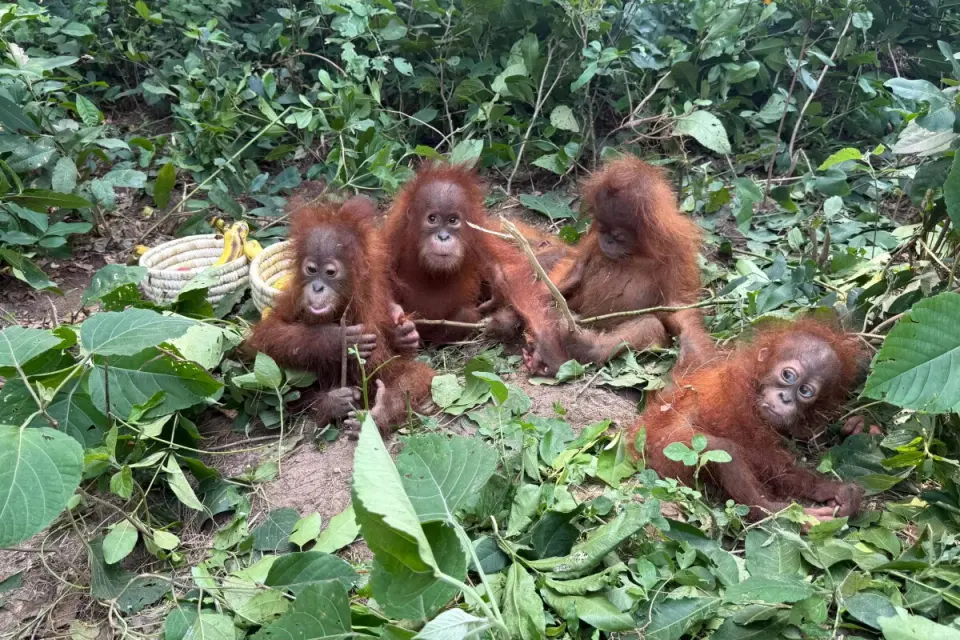
Five baby orangutans were found abandoned in Odisha, India, in September 2026, highlighting a surge in the illegal import of endangered apes. India is now considered the top global destination for live primates, driven by wealthy collectors and legal loopholes. While authorities have tightened laws, gaps in enforcement and questionable captive-bred exemptions continue to facilitate the trade.
Key points
- Five infant orangutans, aged six to eight months, were discovered in a casuarina forest in Odisha, India, in September 2026, having been transported from Borneo and Sumatra.
- India is identified as the number one destination for the live trade of primates, with seizures increasing significantly, including 23 gibbons at airports in 2025 and three chimpanzees in May 2026.
- The global illegal wildlife trade is valued at $34 billion annually, with India’s market growing due to wealthy collectors viewing rare animals as status symbols.
- Legal loopholes persist, including a 2020 registration system that allows exotic animals to be registered without proving their origin, and exemptions for captive-bred animals that may mask illegal imports.
- Indonesia is actively working to repatriate the five rescued orangutans, while questions remain about the legitimacy of a Tapanuli orangutan held at the Vantara facility in India.
Background
Previous coverage in our archive does not contain relevant background on wildlife trafficking or India’s exotic pet trade. The current story stands as a new development regarding the intersection of biodiversity loss and organized crime in India.
Why it matters
The rise of India as a primary market for trafficked primates threatens critically endangered species like orangutans, which play a vital role in rainforest regeneration and carbon storage. The trade undermines global conservation efforts and exposes gaps in international enforcement mechanisms, such as CITES, which struggle to verify the legality of captive-bred animals. This trend highlights the need for stricter regulations and better coordination between nations to combat wildlife trafficking.
What to watch
Indonesia’s Ministry of Forestry is verifying the origins and health of the five rescued orangutans to facilitate their repatriation. Authorities are expected to continue investigating the legitimacy of imports to facilities like Vantara, particularly regarding the Tapanuli orangutan. India’s forest ministry and CITES authority may face increased pressure to address enforcement gaps and improve transparency in the exotic animal trade.
Want the full story? Read the original reporting
Read on AP News