
Hormuz attacks spike as Iran escalates pressure amid falling oil prices
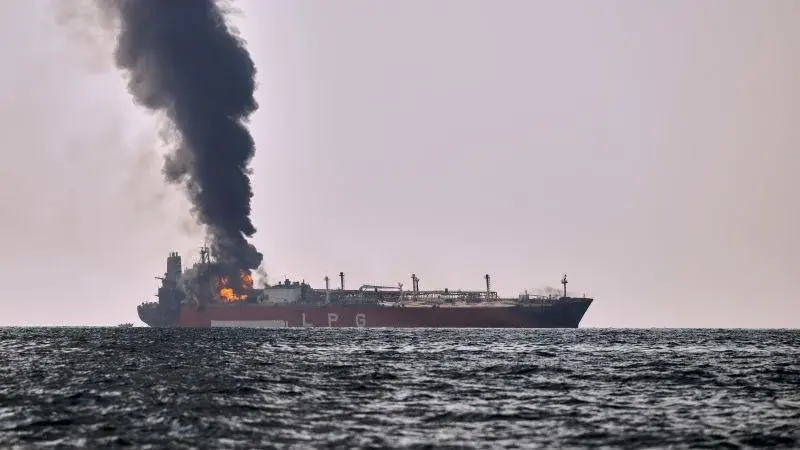
Reported attacks on shipping in the Strait of Hormuz have reached their highest levels since the US-Iran conflict began in late February. While global oil prices have fallen due to recovering exports, Tehran is intensifying maritime strikes to disrupt US-facilitated shipping routes and pressure Washington into negotiations.
Key points
- UK Maritime Trade Operations data shows over 30 attacks in October and at least 22 in November, a sharp rise from the previous monthly average of 10.
- Three tankers, including the Captain Leon and Torkel, were struck by projectiles in the strait between Friday and Saturday, with Iranian involvement assessed as likely.
- Iran’s domestic oil revenues are approaching zero due to the US naval blockade, prompting Tehran to escalate attacks to force concessions.
- Global crude exports hit a record 47.5 million barrels per day in October, driven by ship-to-ship transfers and increased output from South America and North Africa.
- President Trump stated the US does not need a deal with Iran, while analysts warn that escalating attacks could disrupt the current recovery in oil supply.
Background
The conflict began in late February 2026 after US and Israeli strikes on Iran, leading to a US naval blockade of Iranian ports. Recent exchanges include US strikes on Qeshm Island in November following Iranian drone attacks on US radar systems in Bahrain. Diplomatic efforts have stalled, with Trump delaying a decision on further strikes until January 2027.
How outlets are covering it
CNN and ABC News emphasize the surge in attacks as a strategic move by Iran to counter US-facilitated shipping routes, particularly ship-to-ship transfers in the Gulf of Oman. ABC News highlights that Iran is targeting large tankers to disrupt alternative shipping arrangements. OilPrice.com notes that while exports are high, the inefficiency of these routes is tying up tankers and limiting availability for other global trade routes. MLQ.ai points out that despite the disruption, global crude exports reached a record high in October, driven by increased production in other regions, though buyers still face higher costs due to war insurance and longer voyages.
Why it matters
The escalation in maritime attacks threatens the stability of global oil supply chains and could lead to further economic fallout if the US-facilitated shipping routes are rendered unviable. The tension between falling oil prices and rising security risks creates a volatile environment for global energy markets.
What to watch
Analysts expect the oil market to move into a surplus this quarter, but warn that continued attacks could undermine this recovery. The US is monitoring the situation closely, with Trump indicating he may resume military strikes if necessary. Diplomatic efforts remain stalled, and the situation could escalate further if Iran continues to intensify its maritime operations.
- Iranian attacks in the Strait of Hormuz are at the highest levels since the conflict began CNN
- Strait of Hormuz attacks have increased to highest level since Iran war began ABC News - Breaking News, Latest News and Videos
- Oil shipped through Hormuz falls as Iranian strikes increase Financial Times
- Hormuz Oil Exports Could Decline amid Inbound Tanker Shortage Crude Oil Prices Today | OilPrice.com
- Global crude exports hit a record 47.5 million barrels a day in October despite the Hormuz disruption, Kpler data shows MLQ.ai
Want the full story? Read the original reporting
Read on CNN