
Black Sea Shipping Crisis: 570 Vessels Struck, 31 Seafarers Missing as Russia Loses $2.5B Monthly
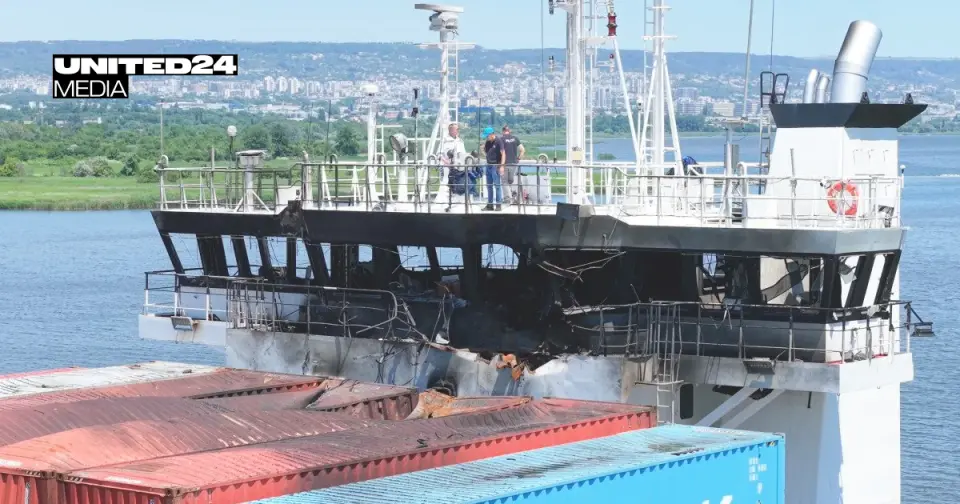
The Black Sea has become the world's most dangerous shipping route, with 570 vessels attacked in the past year. Recent drone strikes have killed or left missing 31 seafarers, halting traffic and prompting NATO to deploy patrol boats. Russian ports are losing $2.5 billion monthly due to Ukrainian counter-blockades, forcing cargo rerouting and staff cuts.
Key points
- Maritime analysts report 570 commercial ships have been hit in the Black Sea and Sea of Azov over the past year, with 45 attacks recorded in October alone.
- At least 31 seafarers have been killed or are missing in these incidents, including 11 crew members from the HS Dignity, which sank after being struck by sea drones on October 13.
- NATO has stepped up maritime security by deploying additional patrol boats and radar systems in response to the escalating conflict.
- Russian southern ports, including Novorossiysk and Taman, have seen cargo handling drop by 95-100%, leading to an estimated monthly loss of $2.5 billion in revenue.
- Shipping companies are scaling back operations; for example, Turkey-based ED Shipping has laid up 19 of its 26 vessels, citing safety concerns and financial losses.
Background
This escalation follows a series of drone attacks in the Black Sea, including the sinking of the Alfa Watan on October 7 and the HS Dignity on October 13. These incidents have prompted international condemnation and diplomatic actions, such as Bulgaria summoning the Russian ambassador. The current crisis is part of the broader Russia-Ukraine war, which has disrupted global shipping lanes and energy routes, similar to earlier threats in the Red Sea.
How outlets are covering it
While UNITED24 Media highlights the sheer volume of attacks (570 ships) and the designation of the Black Sea as the 'deadliest' route, CBC focuses on the human toll, detailing the rescue of the HS Dignity crew and the plight of missing seafarers like 18-year-old Hamza Suleiman. Ukrainian Pravda emphasizes the economic impact on Russia, citing a $2.5 billion monthly loss due to Ukrainian port blockades. Yahoo News Canada reiterates the NATO response and the suspension of shipping operations, noting that companies are avoiding the region entirely. There is a consensus on the severity of the situation, but outlets differ in emphasis: humanitarian impact versus economic consequences.
Why it matters
The disruption of Black Sea shipping affects global grain and energy supplies, with Russian agricultural exports already down significantly. The safety of seafarers is at risk, and the economic strain on Russia may influence its military strategy. NATO's increased presence signals a potential shift in the conflict's dynamics, with implications for international trade and security.
What to watch
Expect continued drone attacks and further reductions in shipping traffic through the Black Sea. Russian authorities may implement subsidies to support affected ports and workers, while NATO will likely maintain its enhanced maritime security posture. The fate of missing seafarers and the resolution of the economic crisis in Russian ports will be key developments.
- Russia Turns Black Sea Into World’s Deadliest Shipping Route as 570 Ships Are Hit UNITED24 Media
- The Black Sea is now the world’s deadliest shipping route Financial Times
- Black Sea sailors thought a rescue boat was racing toward them. Instead, it was a drone that sank their ship CBC
- Russia is losing almost US$2.5bn a month due to Ukrainian port blockade – Russian newspaper Українська правда
- Ashraf Mamdouh, a rescued seafarer from the HS Dignity, sits in a hotel room in Varna, Bulgaria. He is one of five crew members who were rescued after the ship sank. He and the others are not allowed to leave the hotel while they wait for new identification do Yahoo News Canada
Want the full story? Read the original reporting
Read on UNITED24 Media