
Taiz siege: Civilians face starvation, water crisis, and sniper fire as Houthis tighten grip
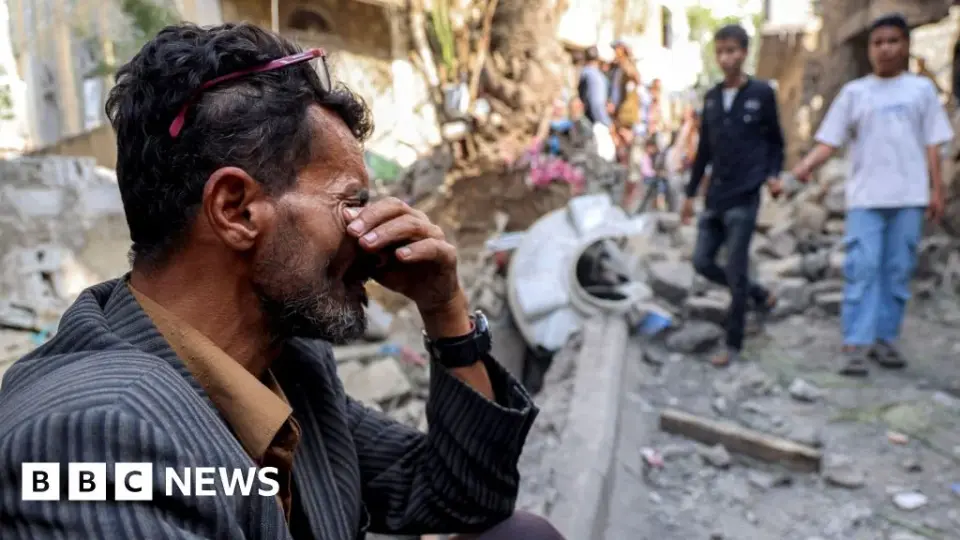
Houthi forces have fully encircled Taiz, Yemen’s third-largest city, cutting off supplies and trapping up to 1 million residents. Since August, over 140 civilians have died, with hospitals losing 70% of capacity and water production dropping to 1,800 cubic meters daily. While the Houthis deny the siege, residents and aid agencies report severe shortages of food, fuel, and medicine, leading to rising prices and public health emergencies.
Key points
- Houthi forces fully encircled Taiz in October, cutting off the city from the outside world.
- Local officials report 148 civilian deaths since August, with hospitals losing 70% of capacity.
- Water production has plummeted to 1,800 cubic meters daily, down from 20,000 pre-war.
- Food and fuel prices have surged, with gas prices rising by approximately 300%.
- Residents report that 98% of vehicle traffic into the city has ceased since the siege tightened.
Background
Taiz has been a major battleground in Yemen’s civil war for over a decade. The city, a gateway to Aden and southern Yemen, was previously besieged by Houthis in 2015. The current conflict flared after a four-year lull, with Houthis advancing territory and striking Saudi Arabia. The city is predominantly Sunni and has long been a center of civic life, contrasting with the Houthis' strict religious doctrine.
How outlets are covering it
BBC reports on the human toll, citing residents who describe the city as a 'prison' and note that parents are lying to children about the sounds of war. Al Jazeera focuses on the water crisis, detailing how the siege has cut water production by over 90% and forced residents to use contaminated water. Sabanew.net provides specific data on violations, noting that 45 crimes were documented in 73 hours, including the deaths of four civilians and the abduction of nine others. While the Houthis deny the siege, citing open routes, the government, residents, and UN agencies dispute this, pointing to the 98% drop in vehicle traffic and severe supply shortages.
Why it matters
The siege of Taiz threatens regional stability and exacerbates a humanitarian crisis in Yemen. The city's strategic location and cultural significance make it a key battleground. The severe shortages of food, water, and medicine risk a public health disaster, with diseases like cholera spreading due to contaminated water and uncollected waste. The conflict also highlights the broader impact of the Houthis' advance on global trade and security.
What to watch
The situation in Taiz is expected to worsen as supplies dwindle and hospitals struggle to maintain basic services. The governor has stated that the city will hold out 'until the population perishes.' International calls for urgent action to secure roads and lift restrictions on civilian movement are likely to continue, but the Houthis' control over key checkpoints and mobile carriers remains a significant barrier to aid and communication.
- 'I tell my son it's just fireworks': People inside besieged Yemeni city speak to BBC BBC
- Yemen’s besieged city of Taiz faces a deepening water crisis Al Jazeera
- Houthi-affiliated Al-Masirah TV: ‘5 killed and 4 injured as a result of an attack targeting the Hayjah Al-Abd area in the Shamaitin district, Taiz CGTN
- Today's top news: Yemen, Occupied Palestinian Territory, Democratic Republic of the Congo, Somalia, Ukraine, Afghanistan, El Niño OCHA
- Yemen Rights Network Documents 45 Houthi Violations in Taiz Over 73 Hours www.sabanew.net
Want the full story? Read the original reporting
Read on BBC