
Yemen’s Health System Collapses as Houthi Advance Triggers Mass Displacement and Malnutrition
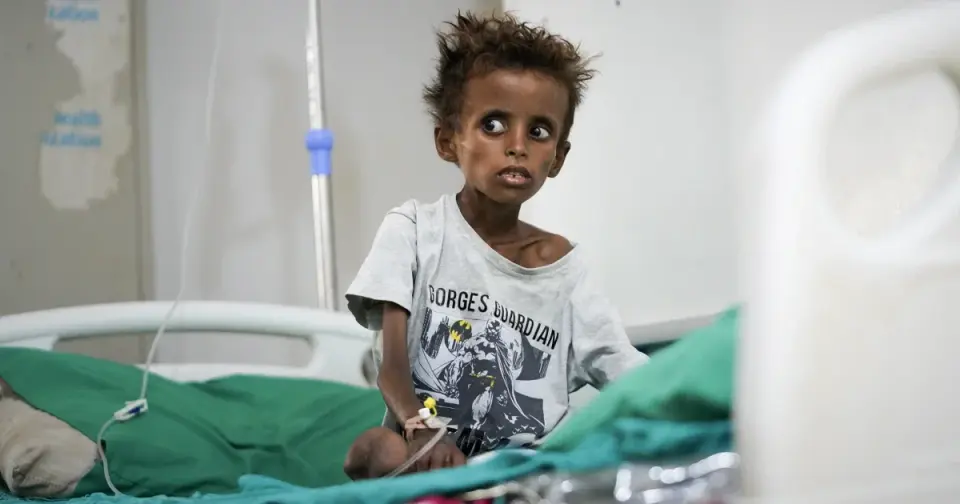
Iran-backed Houthis have launched a rapid offensive along Yemen’s Red Sea coast, seizing key ports and triggering a return to civil war. The conflict has displaced over 130,000 people, including 71,000 children, and overwhelmed hospitals with trauma cases. UNICEF reports a sharp rise in acute malnutrition, with over 2.2 million children under five projected to be acutely malnourished this year. Aid access is severely restricted as supply routes are cut and medical staff flee.
Key points
- Houthis captured the port city of Mokha and much of the Red Sea coast, threatening the Bab al-Mandab strait and disrupting oil exports for Saudi Arabia.
- Over 130,000 people have been displaced, with more than 120,000 fleeing to Djibouti and other areas, according to the UN and BBC.
- Hospitals in government-held areas like Aden and Taiz are overwhelmed; less than 10% of affected health centers are fully equipped for trauma care, per the WHO.
- UNICEF reports 71,000 children displaced and a visible increase in acute malnutrition, with 200 of 2,900 screened children in the 'severe' category.
- Medical supplies and fuel are running short as key supply routes between Mokha and Taiz are cut, forcing convoys onto unsuitable mountain roads.
Background
Yemen’s conflict had been largely frozen since a 2022 truce, but tensions escalated in August 2026 as missile and drone exchanges widened. The current surge follows the U.S.-led war with Iran, which has disrupted the Strait of Hormuz, prompting Saudi Arabia to rely on the Bab al-Mandab strait for oil exports. The Houthis’ recent territorial gains represent a significant shift from previous limited engagements.
How outlets are covering it
NBC News and the Associated Press emphasize the collapse of the healthcare system, highlighting the lack of beds, staff shortages, and the triage of trauma patients over routine care. The Washington Post frames the conflict as a consequence of the broader U.S.-Iran war, noting that the Trump administration’s previous funding cuts to Yemen have worsened the humanitarian situation. BBC focuses on the refugee crisis, detailing the mass exodus to Djibouti and the indiscriminate nature of the bombing that drives civilians to flee. Al Jazeera and UNICEF highlight the specific impact on children, citing displacement figures and rising malnutrition rates, while noting that 243 schools have closed, affecting 140,000 students.
Why it matters
The collapse of Yemen’s health system and the mass displacement of over 130,000 people exacerbate one of the world’s worst humanitarian crises. The disruption of the Bab al-Mandab strait threatens global oil supplies and trade routes, with potential impacts on global energy prices. The rise in child malnutrition and school closures indicates a long-term demographic and economic crisis that may persist even if fighting ceases.
What to watch
Aid agencies are struggling to resupply hospitals due to closed roads and security risks. The UN and international organizations are urging parties to protect civilians and facilitate humanitarian access. The situation may worsen if the Houthi advance continues into the highlands, potentially cutting off more supply routes and displacing more people. The long-term impact on Yemen’s population, particularly children, remains a critical concern.
- Yemen’s civil war returns and overwhelms hospitals with ‘a very dangerous situation’ NBC News
- As Houthis capitalize on U.S.-led war with Iran, fighting engulfs Yemen The Washington Post
- Child malnutrition rises in Yemen as fighting intensifies, says UNICEF Reuters
- Yemenis flee across Red Sea as Houthis and Saudi-backed forces escalate war BBC
- Yemen fighting displaces 71,000 children, worsens malnutrition: UNICEF Al Jazeera
Want the full story? Read the original reporting
Read on NBC News