
Houthi seizure of Perim Island closes final escape route for global oil
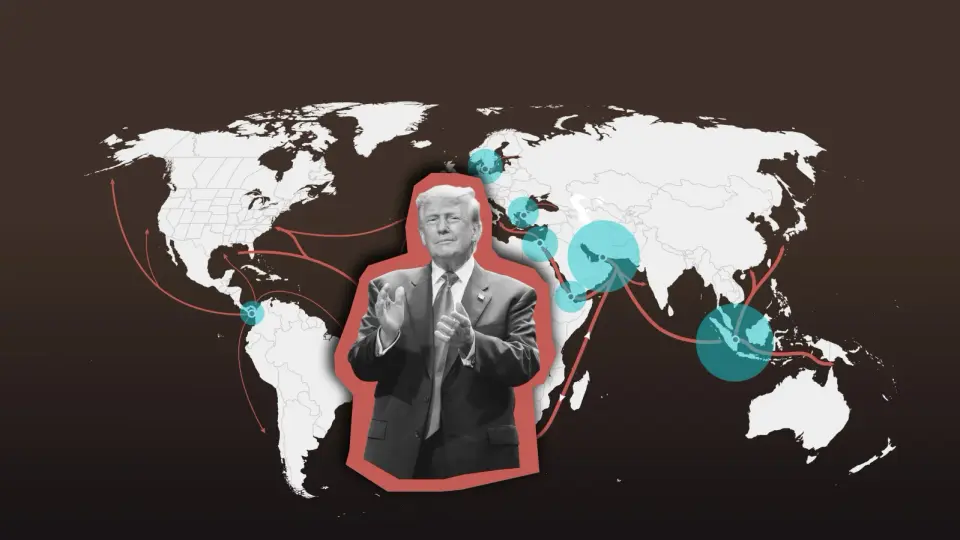
Iranian-backed Houthis have seized Perim Island, effectively closing the Bab el-Mandeb Strait and eliminating the primary alternative route for oil shipments previously diverted from the Strait of Hormuz. This dual blockade of the world's two most critical maritime chokepoints has triggered a sharp spike in Brent crude prices and raised fears of a global recession. While the UN urges diplomatic restraint, the situation has intensified military tensions, including recent U.S. strikes on Iranian tankers and Houthi attacks on shipping lanes, threatening to destabilize energy markets and inflate global costs.
Key points
- Houthis announced the seizure of Perim Island on Sept. 11, consolidating control over the Bab el-Mandeb Strait alongside Iran's disruption of the Strait of Hormuz.
- Brent crude oil prices briefly jumped to nearly $110 per barrel before settling at $104 on Sept. 11, reflecting market panic over the loss of alternative shipping routes.
- U.S. diesel prices surged to $6.06 per gallon, with analysts warning that refinery slowdowns in the Middle East, Russia, and China are exacerbating fuel shortages and inflation.
- Saudi Arabia launched airstrikes on the Houthi-controlled port city of Mokha on Sept. 11, signaling a direct military response to the Houthi advance toward strategic Red Sea infrastructure.
- UN Secretary-General Antonio Guterres called for maximum restraint and diplomatic resolution, warning that further escalation in the Strait of Hormuz poses severe risks to global stability and civilian safety.
Background
This escalation follows months of sustained disruption since the U.S.-led conflict with Iran began in February 2026. Previous reports indicated that shipping traffic through the Strait of Hormuz had reached its lowest levels since the war started, with many vessels turning off transponders to avoid detection. Earlier incidents, including drone strikes on Egyptian ports and tanker attacks near Oman, highlighted the expanding scope of the conflict. The current crisis represents a critical shift from localized disruptions to a coordinated 'pincer' strategy that threatens to isolate the Arabian Peninsula's energy exports entirely.
How outlets are covering it
USA Today emphasizes the economic impact, noting that the closure of Bab el-Mandeb removes the 'Plan B' for oil exports, leaving no viable 'Plan C' and risking a global recession. Newswav frames the situation as a geopolitical 'pincer' that traps the Arabian Peninsula, arguing that asymmetric warfare allows weaker actors to impose disproportionate economic costs on global powers. SANA highlights the diplomatic dimension, focusing on UN Secretary-General Guterres's appeal for restraint and the reported destruction of five Iranian oil tankers by U.S. forces, contrasting this with Tehran's claim of targeting ten vessels. While USA Today and Newswav focus on the inevitability of economic damage, SANA underscores the international community's call for de-escalation.
Why it matters
The simultaneous disruption of the Strait of Hormuz and Bab el-Mandeb Strait threatens to sever the primary supply lines for global energy and consumer goods. This dual blockade risks triggering a global recession, with tens of millions potentially facing food insecurity. For the U.S. and other economies, the resulting inflation and higher interest rates could destabilize financial markets, while the military escalation between Saudi Arabia and the Houthis risks widening the conflict into a broader regional war.
What to watch
Analysts suggest that without immediate diplomatic intervention, the 'pincer' strategy could solidify, making it difficult to restore normal shipping flows for months. The U.S. and Saudi Arabia may escalate military operations against Houthi positions in Yemen, while Iran could leverage the blockade to demand concessions in ongoing negotiations. Global markets will likely remain volatile as traders price in the risk of prolonged supply shortages and potential further attacks on maritime infrastructure.
- Iran, Houthis block 2 key global shipping routes, straining the global economy USA Today
- Hormuz disruptions hitting small businesses hardest, UN trade agency warns Reuters
- The world is still trapped between the Red Sea and the Strait of Hormuz — Phar Kim Beng Newswav
- The Economics of a Chokepoint Crisis Haver Analytics
- Guterres urges diplomacy and restraint as global conflicts and Hormuz tensions deepen سانا
Want the full story? Read the original reporting
Read on USA Today