
Beijing’s New Offshore Tax Rules Drive Wealthy Chinese to Seek Foreign Passports
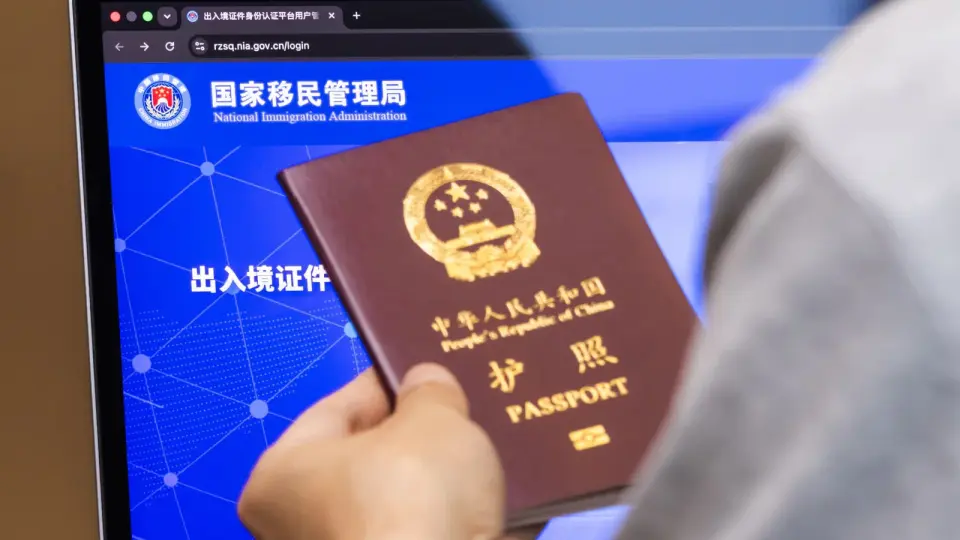
Wealthy Chinese are increasingly considering renouncing their nationality to obtain foreign passports, driven by new Beijing regulations on offshore wealth and geopolitical uncertainties. While China does not allow dual citizenship, demand for alternative passports has surged since July, with inquiries rising significantly. Popular destinations include Caribbean nations for quick citizenship, European countries for residency, and Singapore for stability. However, experts note that renouncing Chinese citizenship does not automatically erase existing tax liabilities, and many families are still in the exploration phase rather than completing the process.
Key points
- Beijing introduced new measures in July targeting offshore trusts, potentially subjecting certain incomes and transactions to a 20% tax, prompting wealthy Chinese to reassess their asset structures.
- China does not recognize dual nationality, forcing individuals to renounce their Chinese citizenship to acquire foreign passports, a significant sacrifice for those with business ties to the mainland.
- Inquiries from Chinese clients for investment migration services have risen by 33% to 40% since July, according to firms like Savory & Partners and Global Citizen Solutions.
- Caribbean countries, such as Antigua and Barbuda, are popular for their fast citizenship-by-investment programs, which can be secured within six months.
- European destinations like Portugal, Italy, and Hungary are attracting interest for residency pathways, while Singapore remains a top choice for its stability and proximity to China.
- Renouncing Chinese citizenship does not automatically eliminate tax liabilities on historical gains, though it may affect future obligations if residency changes genuinely.
Background
This trend follows a period of increased scrutiny on offshore wealth in China, with no direct connection to recent developments in naval technology or EU trade policies. The focus remains on financial and legal strategies for high-net-worth individuals seeking to mitigate risks associated with Beijing's regulatory environment.
Why it matters
The shift toward foreign passports among China's wealthy signals a growing desire for international mobility and asset protection amid tightening domestic regulations. This trend could impact global investment migration markets and reflect broader geopolitical uncertainties affecting Chinese elites.
What to watch
Expect continued growth in inquiries for foreign citizenship and residency, particularly in Caribbean and European destinations. However, the actual completion of renunciations may lag behind interest, as many families are still in the planning phase. Future regulatory changes in China or destination countries could further influence these decisions.
Want the full story? Read the original reporting
Read on CNBC