
Delayed Reports Confirm Three Tanker Strikes in Hormuz as Oil Flows Rebound
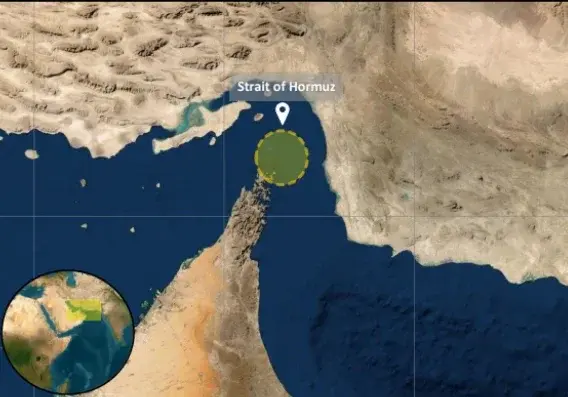
Three tankers were struck by unknown projectiles in the Strait of Hormuz on September 29, according to delayed reports from UK Maritime Trade Operations (UKMTO). While Iran claims control of the waterway, analysts note that oil volumes are rising, with pipeline usage increasing and tanker traffic returning near pre-war levels despite the attacks.
Key points
- UKMTO issued three delayed warnings on September 30 regarding incidents on September 29, confirming strikes on tankers in the Strait of Hormuz.
- The Maritime Executive identifies the vessels as the VLCC Mersin Prosperity (operated by ADNOC) and the tanker Sinbad, both flying Liberian flags.
- OilPrice.com and Marisks identify the third vessel as the oil products tanker Al Ruwais, also managed by ADNOC Logistics.
- Iran’s Fars News Agency reported warning shots near Qeshm Island, while IRGC spokesperson Hossein Mohebbi reiterated claims of controlling the strait.
- Windward and Kpler report that oil flows are increasing, with pipeline usage rising to 40% of exports, up from 17% pre-war, and tanker transits reaching 16.5 million barrels per day in September.
Background
This incident follows a period of escalating tensions in the Strait of Hormuz, including a US-Iran war in February 2026 and a ceasefire in April. In August, traffic shifted to the Oman route under UN authorization, and in September, Iran proposed reopening the strait if the US lifted its blockade. Current shipping volumes remain below pre-war levels, but recent data shows a rebound in crude flows from Saudi Arabia, Kuwait, and Iraq.
How outlets are covering it
Outlets differ on the number and identity of vessels struck. UKMTO confirmed three attacks but provided minimal details, while The Maritime Executive identified two specific tankers (Mersin Prosperity and Sinbad) and suggested a third might be an LNG carrier. OilPrice.com, citing Marisks, identified three Liberia-flagged tankers: Al Ruwais, Mersin Prosperity, and Sinbad. Anadolu Ajansı reported only two tankers (crude and LNG) struck by unknown projectiles. Iran’s state media claimed warning shots were fired, while IRGC officials asserted control over the strait, contrasting with analyst data showing rising oil flows and increased pipeline usage.
Why it matters
The attacks highlight ongoing security risks in the Strait of Hormuz, a critical route for global energy supplies. Despite the incidents, the rebound in oil flows and increased pipeline usage suggest that Iran’s ability to constrain traffic is weakening, potentially affecting global oil prices and shipping routes.
What to watch
Authorities are investigating the incidents, and no group has claimed responsibility. Analysts will monitor whether oil flows continue to rise despite the attacks, and whether Iran’s claims of control align with actual shipping data. The US and Iran may resume negotiations, with Iran’s proposal to reopen the strait contingent on lifting the US blockade.
- Three Vessels Struck in Strait of Hormuz as Iran’s Grip Loosens The Maritime Executive
- Three oil tankers hit by projectiles in Hormuz strait on Tuesday, Marisks says Reuters
- 2 tankers hit by unknown projectiles in Strait of Hormuz: Maritime agency Anadolu Ajansı
- Three More Tanker Attacks Surface in Delayed Hormuz Reports gCaptain
- Three Tankers Struck by Unknown Projectiles in Strait of Hormuz Crude Oil Prices Today | OilPrice.com
Want the full story? Read the original reporting
Read on The Maritime Executive